

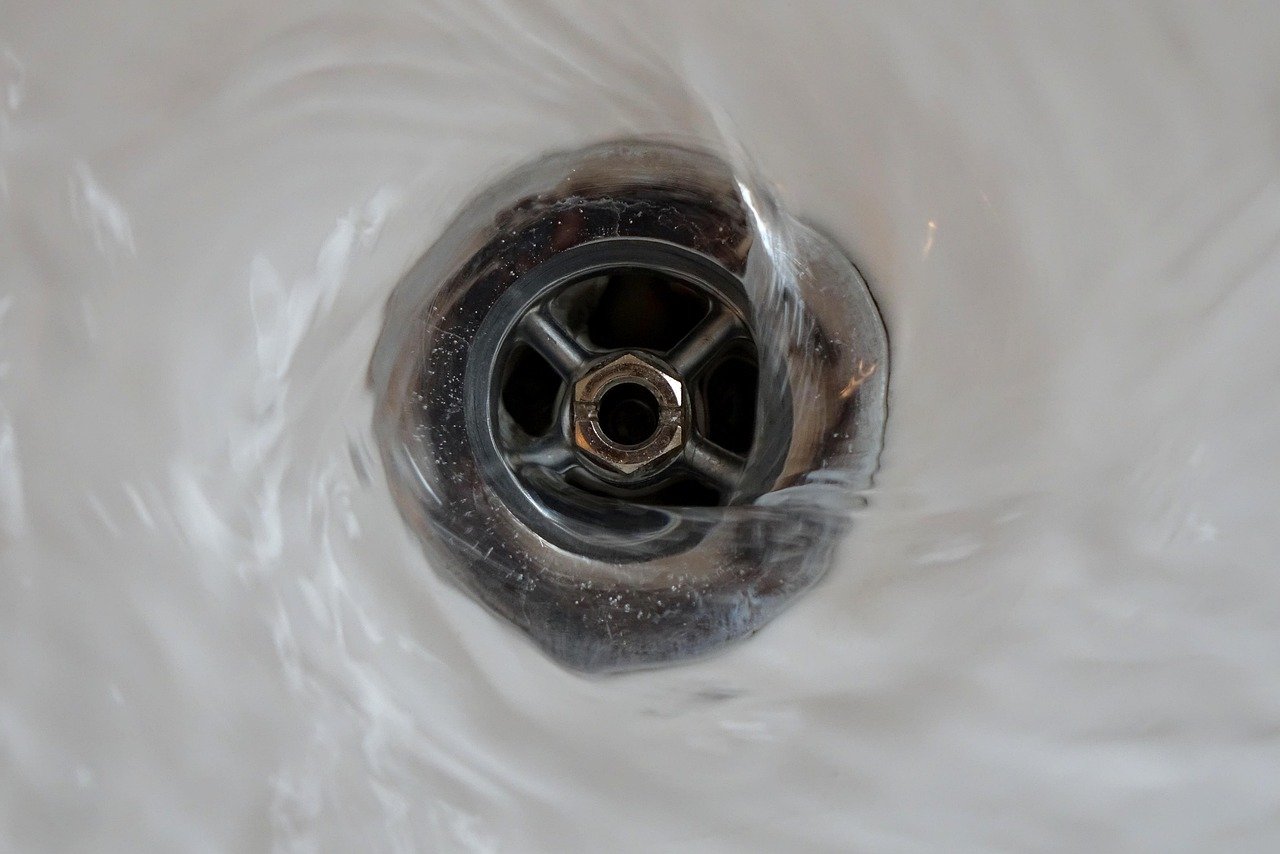
With the intended tool, lift the cover, remove trapped hair and sludge, wash removable pieces in warm water with mild dish soap, then rinse and dry the exposed channel. This clears the narrow channel where hair can collect long before water pools around your feet.
You’ll learn how cover styles, finish materials, odors, slow flow, and household use affect your cleaning routine in a guest bath or a busy shared shower.
Drain Parts Hold Different Types of Debris
The long visible strip is only one part of the assembly. Beneath it, your shower contains a decorative cover, drain channel, hair catcher, outlet throat, and drain trap. Cleaning the cover alone leaves trapped hair, soap sludge, and odor-producing residue below the surface.
Each component has a separate job
| Drain part | What collects there | What you may see or smell |
|---|---|---|
| Linear drain cover or grate | Soap film, mineral deposits, water spots | Dull metal or white crust along the slot |
| Drain channel | Hair, body oil, shampoo residue | A dark line below the cover |
| Hair catcher | Long hair and lint | Water rises before reaching the outlet |
| Outlet throat | Soap sludge and tangled strands | Slow flow below a clean channel |
| Drain trap | Settled residue or evaporated trap water | Musty or sewer-like odor |
Your drain channel is the shallow trough below the grate. The outlet throat is the round or rectangular opening where that trough drops into the pipe. A removable hair catcher sits close to that opening on many Schluter KERDI-LINE, Infinity Drain, ACO ShowerDrain, and QuickDrain assemblies.
Hair forms the center of a shower drain clog. Soap sludge grips those strands like wet felt, while hard-water minerals narrow exposed slots and seams. Biofilm feeds on body oil and product residue, so your drain can smell bad even while water still moves at a normal rate.
Surface residue and plumbing faults leave different clues
A bright cover does not prove that the pipe below it is clear. On a 36-inch drain channel, both ends can look spotless while a compact wad blocks the outlet in the middle. Your next step depends on where water slows, not on the shine of the grate.
Poor floor slope leaves a different pattern. Water stays in one corner after the shower stops, while the outlet accepts water quickly. That points to tile pitch, drain placement, or installation trouble rather than trapped debris.
Long channels show water spots more clearly than round point drains. Tile-in covers can be heavy, and brushed metal can scratch under a careless tool. Those details shape the way you remove the cover without damaging tile, grout, or silicone sealant.
Cover Removal Depends on the Drain Design
Tile edges and silicone sealant are softer than a steel screwdriver. Let standing water drain away, then locate the removal point before lifting anything. Your drain maker’s instructions take priority because each frame and cover style has its own lifting method.
Removal tools match the cover style
- Lift-out grate: Use the supplied hook or a plastic non-marring pick at the designated slot.
- Tile-in insert: Raise the panel level with its lifting key while supporting both ends.
- Magnetic cover: Lift straight upward from the access point or finger notch.
- Suction-cup insert: Press the cup onto dry tile, then pull vertically without twisting the frame.
- Keyed channel cover: Set the maker’s key into its holes and lift the long strip evenly.
How to remove a linear shower drain cover depends on the hardware supplied with that assembly. Schluter Systems grates vary by style, while Tile Redi and Infinity Drain covers can place their lifting points in different locations. A tool that fits one channel can bend another.
Never pry against tile, grout, silicone sealant, or a finished metal edge. A bent grate can rock in its frame and hold water along one side.
Level lifting protects the surrounding finish
Raise the intended removal end, then lift the opposite end as soon as the cover clears the frame. A tile-in panel needs steady support because its weight can chip an exposed tile edge. Set the removed piece on a folded towel rather than directly on porcelain or stone.
Mineral deposits can hold a cover tightly around its perimeter. Run warm water along the seam and wait two minutes before trying again. That pause protects your shower more effectively than forcing a stuck insert upward.
Once the cover is out, you can see whether debris sits on the grate, in the channel, or around the hair catcher. Remove that material before washing any surface with soap or vinegar.
Routine Washing Clears Hair, Soap Scum, and Surface Film
Loose debris belongs in the trash, not farther down the pipe. Pull hair from the grate, drain channel, hair catcher, and outlet opening before adding water or soap. This is how to remove hair from a linear drain without pushing a surface mess into the trap.
Wash the removable pieces in order
- Bag loose hair: Gather strands and sticky residue with a paper towel or gloved fingers.
- Rinse each part: Flush the cover and basket with warm water over a sink or plastic tub.
- Soap the grooves: Work mild dish soap into narrow openings with a soft brush or microfiber cloth.
- Wipe the channel: Reach along the trough with a damp cloth wrapped around a plastic spatula.
- Rinse and dry: Remove all soap, then dry the visible cover to limit water spotting.
Warm water and mild dish soap loosen fresh soap scum without attacking the finish. Your brush should have nylon bristles rather than wire. A household-only toothbrush reaches narrow perforations, while a microfiber cloth leaves polished metal clearer.
How to clean a shower drain grate comes down to contact time and gentle friction. Let mild soap sit for a minute on sticky film, brush the grooves, and rinse until no slick residue remains. Hard scraping marks metal and gives mineral deposits a rougher surface to cling to.
Finish materials need separate care
Brushed stainless steel benefits from wiping in the grain direction. Polished metal needs light pressure because circular scrubbing leaves fine haze. Your safest routine for powder-coated grates is soap, water, a complete rinse, and a dry cloth.
Tile-in inserts need attention on the panel itself, not a long soak that saturates nearby grout. Keep white vinegar away from marble, travertine, limestone, and other natural stone. Acid can etch a dull patch that no stainless steel cleaner will remove.
How to clean a tile insert shower drain starts with lifting the panel level and cleaning its underside as well as its tile face. Wipe the frame lip where the insert rests because soap film there can make a tile panel sit unevenly. Your panel should settle flat without rocking after reassembly.
With removable parts washed, odor and drainage speed show whether surface care solved the actual problem. Sluggish flow or a sour smell needs a source-specific response rather than more scrubbing.
Mineral Deposits and Drain Odors Need Different Responses
White crust and a sour smell come from separate sources. Mineral residue sits on exposed surfaces, while odor can rise from biofilm, trapped debris, or a dry drain trap. Your remedy should match that source instead of relying on one liquid for every symptom.
Vinegar has limited surface uses
White vinegar loosens light mineral deposits on compatible non-stone surfaces. Put a small amount on a cloth, wipe the affected area, wait a few minutes, then rinse thoroughly. Vinegar poured into a shower drain may reduce mild odor, yet it will not break apart a hair clog.
| Symptom | Useful response | Response to avoid |
|---|---|---|
| Light soap film | Mild dish soap and a soft brush | Steel wool pads |
| Light mineral crust | Carefully applied vinegar on compatible surfaces | Vinegar on natural stone |
| Hair obstruction | Hand removal from catcher and outlet | Baking soda and vinegar for a compact clog |
| Dry-trap odor | Run water for 30 to 60 seconds | Bleach down the drain |
Harsh drain products can damage the assembly
Never mix vinegar with bleach or another cleaner. Dangerous fumes can result, and mixing products does not remove hair faster. Keep chlorine bleach, steel wool, and abrasive powders away from sensitive metal finishes and tile-in frames.
Caustic drain openers can harm finishes, seals, and plumbing joints. Keep them out of a linear shower drain unless a plumbing professional directs their use for your exact assembly.
Baking soda and vinegar create fizz, yet that reaction lacks the mechanical force needed for a compact hair mass. An enzyme drain cleaner can help with organic residue where the drain maker permits it. Persistent slow flow still needs a physical inspection of the outlet and trap.
A dry trap needs water rather than cleaner. Run the shower for 30 to 60 seconds in an infrequently used bathroom, then check whether the odor fades. Sewer-like odor that returns after refilling the trap points beyond routine cleaning.
Restoring trap water rules out evaporation, leaving recurring odors as a sign of trouble farther along the line.
Slow Flow After Cleaning Points to the Outlet or Pipe
Water gives you the clearest check after reassembly. Set the hair catcher and cover back in place, run the shower for two minutes, and watch whether water reaches the outlet without spreading across the bathroom floor. A clean channel with repeated backup points farther into the plumbing path.
Accessible obstructions come before deeper pipe work
A slow stream after visible hair removal points back to the outlet throat or drain trap area. Remove the cover again, check that the hair catcher seats correctly, and clear anything within reach. Your fingers should not force debris through a narrow opening where it can lodge farther down.
| What you see | Probable location | Next action |
|---|---|---|
| Water improves after basket removal | Hair catcher | Wash the basket and reset it correctly |
| Water swirls above outlet | Outlet throat | Lift reachable debris with a plastic tool |
| Water backs up repeatedly | Trap or branch pipe | Use a suitable hand drain snake or contact a plumber |
| Gurgling joins slow drainage | Vent or deeper pipe issue | Arrange professional diagnosis |
Deep obstructions need a careful limit
How to unclog a linear shower drain begins with the hair catcher and outlet throat, not a forceful tool. A small hand drain snake works only where it enters without scraping the assembly or jamming in the trap. Feed it gently, withdraw it slowly, and stop at firm resistance.
A plumber’s snake used with force can damage a removable drain component or push debris beyond reach. Repeated clogs, gurgling, corrosion, loose parts, or water backing up call for a plumber. Your shower also needs professional attention where water escapes beyond the shower area or pooling never changes after debris removal.
Venting symptoms differ from a hair blockage because gurgling accompanies slow drainage. A blocked vent can interfere with pressure in the drain line, while a hair wad sits at the catcher, throat, or trap. That difference helps you avoid treating a plumbing diagnosis as a surface-cleaning task.
Cleaning Frequency Should Match Household Use
A clear two-minute test run sets the baseline for your routine. Remove visible hair every one to four weeks, using the shorter interval for long hair, multiple shower users, pets, or hard water. Your schedule should follow the debris you remove rather than a calendar rule alone.
Small habits limit heavy scrubbing
- Weekly glance: Check the grate for strands and wipe visible shampoo film before it hardens.
- Monthly lift: Remove the cover, empty the hair catcher, and wipe the channel with warm soapy water.
- Dry exposed metal: Buff the grate after deeper cleaning to reduce mineral spots on stainless steel.
- Refresh unused showers: Run water for 30 to 60 seconds every two weeks to refill the trap.
- Mark recurring puddles: Track the same pooling location because unchanged puddling points beyond housekeeping.
ADA Standards cover accessible shower layouts, and linear drains appear in curbless showers because they can sit along a wall or threshold. That wide capture area means your channel collects residue across its full length rather than around one central hole.
Long hair and heavy conditioner leave a sticky layer sooner than short hair and light soap. In a shared shower, your monthly lift may become a weekly task after checking the catcher twice. A quiet guest bath still needs trap water every two weeks to keep odors from rising through a dry pipe.
Consistent timing prevents most buildup, while a few simple checks catch the problems a calendar cannot.
Final Care Priorities Keep the Drain Working
Component-by-component care works better than pouring products into a drain and hoping for movement. Lift the cover with its intended tool, remove debris before washing, use mild soap on finish-sensitive surfaces, and judge drainage after reassembly. Your shower stays easier to maintain when each symptom points to a specific part.
Vinegar belongs only on compatible light mineral residue or mild odor situations. Baking soda fizz does not clear packed hair, and caustic chemical drain cleaner can damage seals, finishes, and joints. Physical removal remains the practical response for hair at the catcher and outlet throat.
Contact the drain maker for part-specific care where a cover will not lift, a magnet has shifted, or a tile-in insert no longer sits level. Bring in a plumber for repeated backup, gurgling, corrosion, loose components, wet areas beyond the shower, or uneven floor drainage that remains after you clean a linear shower drain.
FAQ
How do you clean a linear shower drain step by step?
Lift the cover with its supplied hook, key, suction cup, or designated notch. Remove hair from the grate, channel, hair catcher, and outlet throat, then wash removable pieces with warm water and mild dish soap before rinsing, drying, and reassembling them.
What are the common problems associated with linear shower drains?
Common problems include hair below the long grate, soap sludge in the outlet throat, mineral spots on metal, biofilm odor, and water pooling from poor floor slope. Your symptoms separate removable debris from a deeper pipe, venting, or installation problem.
How do you remove a linear shower drain cover?
Use the supplied hook, lifting key, suction cup, or designated notch for your cover style. Keep tile-in inserts level as you raise them, and avoid screwdrivers against tile, grout, silicone sealant, or finished metal because prying can chip or bend those surfaces.
What removes hair and soap scum from a linear drain?
Pull hair out by hand from the hair catcher, drain channel, and outlet throat before washing the parts. Mild dish soap, warm water, and a nylon brush loosen soap scum without scratching brushed stainless steel, polished metal, powder-coated grates, or tile-in frames.
Is it okay to pour vinegar down a shower drain?
White vinegar can help with mild odor or light mineral residue on compatible surfaces, but it does not clear a hair clog. Never mix vinegar with bleach or another cleaner, and keep vinegar away from natural stone and drain materials that the maker excludes.
Why is my linear shower drain draining slowly or smelling bad?
Slow drainage points to hair in the catcher, outlet throat, drain trap, or a deeper branch pipe. A bad smell can come from biofilm, trapped residue, or a dry trap, while gurgling with slow flow points toward a venting or deeper pipe issue.