

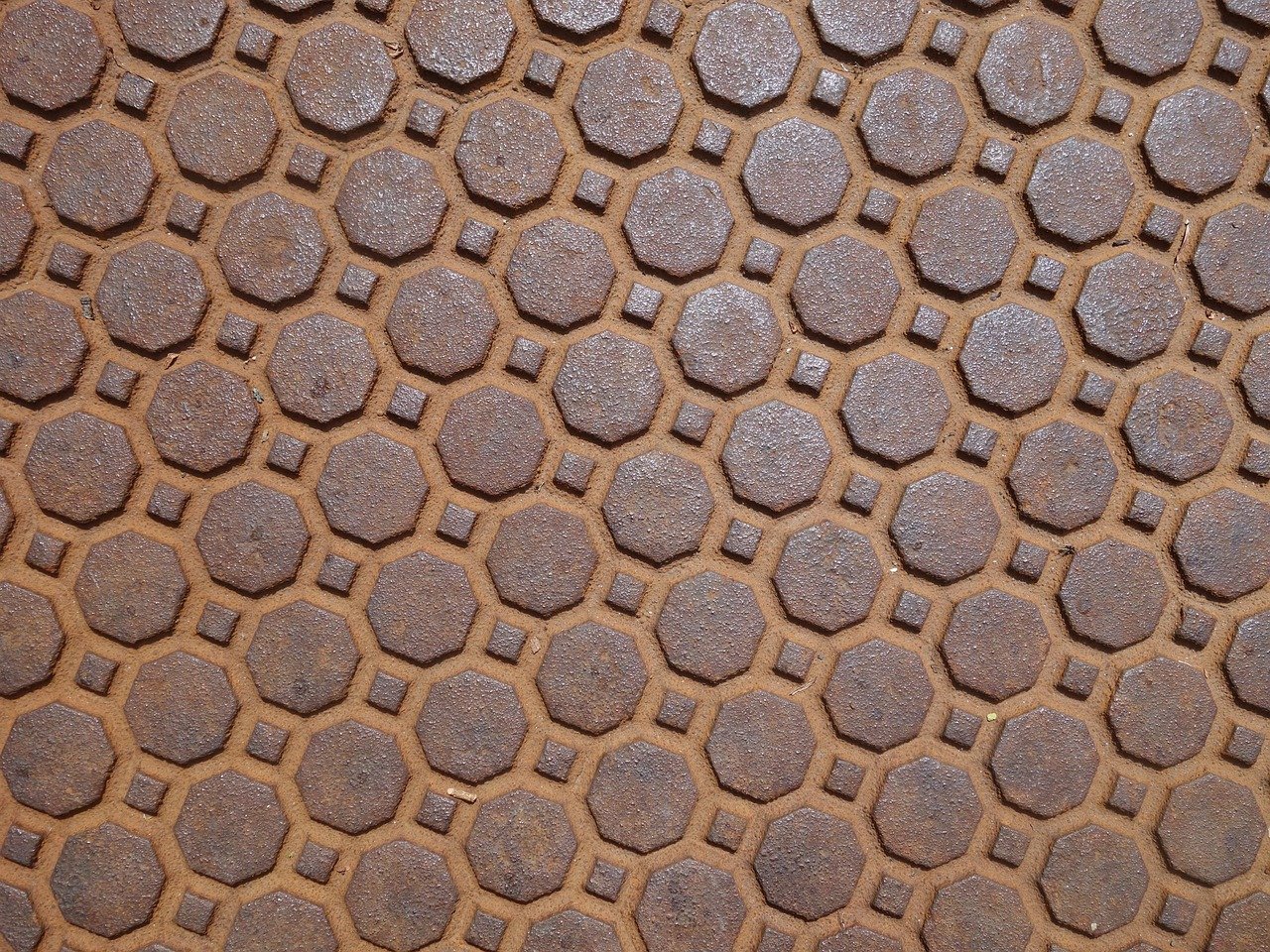
After the last wedge comes out, brush away loose crumbs, rinse with warm water, scrub only the residue that remains, dry the iron with heat, and buff on a nearly invisible oil film. This sequence clears food without stripping well-set polymerized seasoning or leaving moisture in molded cavities.
You’ll work through routine crumbs, stuck-on cornbread residue, tacky oil, rust, narrow cornstick wells, and better release for your next batch.
Prompt Care Keeps Cornmeal From Bonding to Iron
Fresh crumbs lift away with little pressure, while cooled cornmeal packs into seams and ridge lines. Let the iron cool until it is safe to hold, turn out the cornbread, and brush away loose bits before they harden against the cooking surface.
Your cleaning method should match the residue rather than follow an old rule about avoiding all water or soap. A flat cast iron skillet sheds crumbs quickly, but a wedge pan, cast iron cornbread pan, or decorative mold holds grease in narrow corners.
Residue Shows the Right Response
| What you see or feel | What it means | Useful response |
|---|---|---|
| Dry crumbs and a light fat film | Normal baking residue | Brush, rinse with warm water, and towel-dry. |
| Firm crust in wells or corners | Stuck-on batter | Scrub with coarse kosher salt, a stiff nylon brush, or a chain mail scrubber. |
| Sticky brown-black coating | Excess polymerized oil | Scrub with warm water and a small amount of mild dish soap. |
| Orange marks or dusty patches | Rust from retained moisture | Scrub the area clean, heat-dry, then reseason. |
That distinction protects seasoning from needless abrasion. Polymerized seasoning is oil bonded to hot iron, while loose grease sits on top and turns gummy after repeated heavy oiling.
That distinction makes gentle cleaning sufficient for routine residue while preserving the protective layer beneath it.
Brush cornstick cavities while they are warm rather than hot. A dry pastry brush or stiff nylon brush reaches narrow grooves without scraping the cooking surface.
Warm Water and Light Scrubbing Clear Everyday Residue
Loose crumbs removed near the start leave little work at the sink. Hold the pan under warm water and scrub by hand with a nylon scrub brush, dishcloth, nonmetal sponge, or chain mail scrubber used with a light touch.
Plain hot water handles a faint sheen of bacon fat or melted butter. Rinse loosened particles away rather than leaving them in the wells, where they dry into another layer of baked-on residue.
Mild Dish Soap Has a Narrow Job
Dawn dish soap works in a small amount against stubborn grease or a tacky surface. A brief hand wash does not remove a well-established polymerized seasoning layer, though harsh detergents, abrasive powder cleaners, and long soaking can weaken that finish.
Your cornstick cavities need close attention because raised edges hide oil below the visible rim. Work a small nylon brush around each ridge, then tilt the mold under running water so crumbs leave instead of settling in another recess.
- Use warm water: Warm water loosens fat without thermal shock or a long soak.
- Choose nylon bristles: A stiff nylon brush reaches carved details without gouging the dark surface.
- Limit dish soap: Use a few drops for greasy buildup that water and brushing leave behind.
- Skip harsh powders: Bar Keepers Friend can cut through seasoning and expose gray iron.
Lodge Cast Iron gives similar routine-care advice for hand washing. Seasoning benefits from cooking and thin layers of oil, while trapped moisture in a cavity or beneath a handle joint starts the real trouble.
Stuck Cornbread and Tacky Oil Need Separate Methods
A broken wedge lodged in one corner needs controlled abrasion, while a slick, draggy film needs grease removal. Extra oil makes both problems worse, especially in ornate molds where residue stacks along each ridge.
Firm Crust Releases With Brief Scrubbing
Add a small splash of warm water to the affected well, then scrub with coarse kosher salt and a damp cloth. Salt acts like tiny pebbles beneath the cloth and lifts crust without the deep scratches left by a knife or fork.
For heavier stuck-on cornbread residue, work a chain mail scrubber or stiff brush for 20 to 30 seconds at a time. Your aim is food release, not stripping the pan down to raw metal.
A cast iron cornstick pan can trap a thin strip of crust along the tail or face of each mold. Turn the brush sideways, move from the edge toward the center, then rinse and repeat rather than digging with metal utensils.
To remove cornbread buildup from cast iron, start with texture against baked batter. A damp salt scrub reaches corners that a flat sponge misses and leaves the surrounding seasoning intact.
Sticky Oil Comes Off Before More Oil Goes On
Sticky buildup feels draggy under your fingertips and makes cornbread cling despite a dark-looking finish. Warm water, a few drops of mild dish soap, and firm circular scrubbing lift that loose oil film before it forms a thick, uneven coat.
Baking soda paste has a narrow role on a greasy patch that resists soap. Rub a small paste of baking soda and water over the spot, rinse promptly, and dry at once because wet paste can dull exposed iron.
Do not soak a cast iron cornbread pan for an hour to soften crust. Brief contact with warm water is enough, while prolonged wet contact can start orange flash rust in small pits and corners.
How to remove stuck cornbread from cast iron depends on that split: scrub baked batter with salt or a brush, then reserve soap for surplus grease. Once the surface feels clean rather than sticky, drying takes priority.
Heat Drying Stops Flash Rust in Small Cavities
Water beneath a decorative ridge can leave orange freckles before dinner is over. Towel-dry the underside, handle, rim, wedge dividers, cornstick cavities, and small joints immediately after rinsing.
Low Heat Reaches Moisture a Towel Misses
Set the empty pan over low heat for 2 to 5 minutes, or place it in a warm oven until moisture has evaporated. Stovetop drying suits a heavy skillet, while an oven warms decorative molds across their small wells.
Your pan should look matte and feel dry before oil touches it. Steam, damp streaks, or a cool wet spot point to trapped water, and oil over that water can hold moisture against the iron.
Long Wet Contact Damages Seasoning
Dishwashers keep cast iron wet too long and expose it to strong detergent. Oven self-clean cycles are also too aggressive because extreme heat can burn away seasoning and leave the surface dull, dry, and prone to rust.
Rust removal starts with a scrubber, warm water, and enough pressure to clear the orange material. Dry the exposed spot over low heat right away because bare iron reacts with water faster than a seasoned cooking surface.
A Barely Visible Oil Film Protects Dry Iron
Dry iron needs a whisper of cooking oil, not a glossy coat. While the pan is still warm, place a few drops of neutral oil on a cloth and wipe the cooking surface, outer rim, and every molded recess.
Buffing Prevents a Sticky Surface
Crisco, grapeseed oil, vegetable oil, and canola oil can serve as the protective layer. Buff with a clean towel until the iron looks dry rather than wet; your fingers should glide over it without picking up tackiness.
Heavy oil causes sticky pans. Thick oil cannot set evenly, so it becomes a patchy varnish that grabs cornmeal batter and leaves brown residue around the edges.
Rust Needs a Small Reseasoning Reset
Rust scrubbed away exposes pale gray metal that needs a fresh seasoning coat. Wipe on oil, buff hard, and heat the pan in a 400 to 450 degree F oven for about 1 hour so the oil sets into a protective layer.
- Dry before oil: Heat the iron until steam no longer rises from cavities, seams, or the underside.
- Start with drops: Dampen a cloth with oil instead of filling wells with it.
- Buff every recess: Wipe cornstick cavities twice because excess oil hides along narrow walls.
- Heat after rust: A 1-hour oven cycle can restore seasoning on a cast iron cornbread mold after gray metal appears.
Your stored pan does not need a thick shine. A clean, dry surface with a buffed oil film stands up to humidity without collecting lint or turning gummy between bakes.
Long-term seasoning protects the pan, whereas a hot, well-greased cooking surface determines how easily the bread releases.
Preheating and Pan Fat Improve Cornbread Release
A spotless surface still needs enough baking fat to release tender cornbread. Heat the empty iron as your recipe directs, coat the hot skillet or individual molds generously with butter, bacon drippings, shortening, or oil, then add batter promptly.
Heat and Fat Form an Early Crust
Preheating gives batter a fast sizzle at the edges, which forms a crust before the crumb anchors itself to iron. Your greasing needs to reach the corners of each wedge or cornstick cavity because dry corners are where breakage starts.
Pouring batter into a greased pan and leaving it on the counter weakens release. Get it into the hot oven promptly, bake until the center is set, and rest the cornbread for 3 to 5 minutes before turning it out.
Storage Oil Does Not Replace Baking Fat
A thin post-wash coat protects the iron but cannot stand in for generous fat before baking. That mix-up creates a frustrating loop: a tacky storage surface followed by stuck cornbread in under-greased molds.
To keep cornbread from sticking to cast iron, warm the vessel, coat each contact point, bake until set, and loosen the edges with a thin silicone spatula before inversion. A well-seasoned skillet helps, but heat and pan fat do the immediate work.
Turn a decorative mold over onto a cooling rack with a firm, controlled motion. Repeated shaking can crack hot cornbread and scatter crumbs back into the cavities.
Bottom Line
Successful upkeep means matching residue with the mildest useful method, then removing water before rust starts. Brush away crumbs, scrub stuck crust without soaking, wash greasy buildup with limited soap, heat-dry thoroughly, and buff on just enough oil to leave the iron smooth.
That routine protects polymerized seasoning and helps your next batch release from wedges, ridges, and narrow cornstick cavities. Your pan needs consistent care, not a heavy oil coat or aggressive scrubbing after every bake.
FAQ
Can you use Dawn dish soap to clean a cast iron skillet?
You can use a small amount of Dawn dish soap for stubborn grease or a sticky oil film. A brief hand wash does not remove a well-established polymerized seasoning layer, but harsh detergents, dishwasher cycles, and prolonged soaking can weaken the finish and leave the iron exposed.
How do you remove baked-on cornbread from a cast iron pan?
Wet the stuck area with a small amount of warm water, then scrub with coarse kosher salt, a stiff nylon brush, or a chain mail scrubber. Your pan should not sit submerged for long periods because trapped moisture can lead to rust around ridges and corners.
How do you clean the small cavities in a cast iron cornstick pan?
Use a narrow nylon brush along each cavity wall, ridge, and pointed end after turning out the cornsticks. Rinse away loosened crumbs, towel-dry each recess, and use low heat for several minutes so your mold has no hidden moisture before oiling.
How do you remove buildup from a cast iron pan?
Remove tacky buildup with warm water, mild dish soap, and firm scrubbing rather than adding more oil over it. Your surface should feel smooth and dry after heat-drying; then wipe on a tiny amount of cooking oil and buff away every visible trace.
Should you re-season a cast iron cornbread pan after cleaning it?
You do not need a full oven reseasoning cycle after each wash. Apply a thin buffed oil film after drying, then reserve oven seasoning for rust removal, exposed gray iron, or a surface that has lost its dark, smooth protective layer.