
A wobbly window unit sliding toward the sill is the kind of summer headache nobody wants, and the wrong bracket can leave an air conditioner sagging, rattling, or stressing the frame. Renters, homeowners, and mini split owners all face the same core problem: holding a heavy appliance in place without drilling, without wobble, and without damaging the wall. This roundup narrows the field to seven solid air conditioning brackets across window, wall, and mini split use, so the right support shows up before the first heatwave.
The Leading Options At A Glance

Alpine Hardware Window AC Support Bracket 160 lb

LuckIn Window Air Conditioner Support Bracket 220 lb
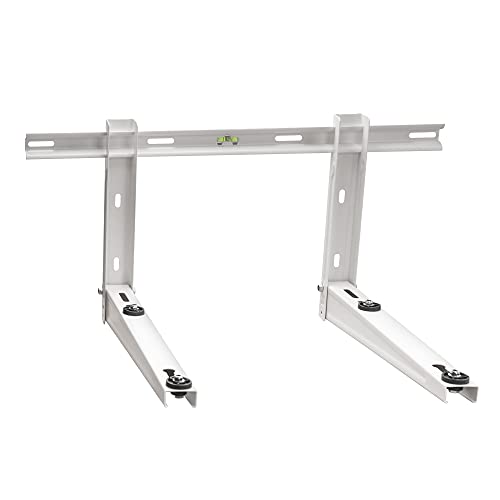
ICOOL Mini Split Wall Mounting Bracket 9-36K BTU
Superunner No-Drill Window AC Bracket 200 lb

LEOPO Window AC Support Bracket 300 lb
DuctlessAire DA-80 Mini Split Wall Bracket 80 lb

CAT SO RICH No-Drill Window AC Bracket 300 lb
Why These Options Stand Out
The Alpine Hardware bracket is built for renters and apartment dwellers who can’t touch the exterior wall. Its single-arm design slides into the window track and locks in place, so the whole job finishes from inside the room. That means no drill holes in brick or siding, which keeps landlords happy and security deposits intact.
Setup is straightforward for anyone comfortable with a screwdriver, and the steel construction supports up to 160 lb, which covers most mid-size window units comfortably. It’s a sensible first bracket for someone moving into a new place and realizing the window AC needs serious support before the next heat wave rolls in.
Where It Delivers
- Adjusts to wall thickness from 3″ to 12″, fitting most older apartment walls with deep frames
- No exterior drilling keeps lease terms intact and avoids patching siding later
- 160 lb capacity handles the typical 5,000-12,000 BTU window unit without flex
- Steel build shrugs off seasonal humidity in bathrooms and kitchens
Honest Caveats
- Not the right match for casement or sliding windows, so double-check the window style first
- Single-arm design may feel less rigid than the dual-arm picks later in this list for very heavy units
Who It Suits Best
Renters and apartment dwellers running a standard window unit who need a no-drill, indoor-only install.
Consider Something Else When
Heavier 18,000+ BTU units are a better match for the LEOPO bracket covered below, which carries a higher load rating.
Where the Alpine Hardware bracket leans on classic single-arm simplicity, the LuckIn bracket takes a more modern, tool-free approach. The legs expand and lock by hand, and the support arms angle to match the window sill without wrestling with a screwdriver. That makes it a strong pick for a quick seasonal install when the AC only goes in for a few months.
It widens from roughly 31.5″ to 41.7″ and tolerates wall thickness between 3″ and 12″, so it slots into most single and double-hung windows. The 220 lb capacity leaves a comfortable margin under heavier 15,000-18,000 BTU units.
A Few Strong Suits
- Truly tool-free setup is friendly for people who don’t keep a toolbox handy
- Angled support legs conform to sloped sills instead of forcing a flat fit
- 220 lb rating gives headroom for larger units without strain
Things To Consider
- Not compatible with casement or sliding windows, so measure the window type first
- Plastic adjustment parts may show wear after several seasonal installs, depending on storage conditions
Right Fit For
Shoppers who want a fast, no-tool install for a seasonal window AC in a single or double-hung window.
Look Elsewhere When
Apartment renters with very small windows under 16″ wide should look at the Alpine Hardware bracket instead, since the LuckIn minimum opening is larger.
The ICOOL bracket pivots away from the window entirely and goes outdoors to support a ductless mini split condenser. While items 1 and 2 sit inside a window frame, this one bolts to an exterior wall and holds the heavy outdoor compressor unit that pairs with a wall-mounted head inside. For anyone upgrading from a window AC to a real ductless system, it’s the bracket category most people forget about until install day.
It supports units from 9,000 to 36,000 BTU, which covers everything from a single-room mini split to a whole-home system. The foldable design also drops flat against the wall when the unit is removed for service, so it doesn’t stick out like a shelf year-round.
The Practical Payoff
- 330 lb capacity handles large condensers without flex or wobble
- Galvanized and epoxy-coated steel resists rust through rainy seasons
- Foldable arms simplify service and reduce snag risk in tight side yards
- Adjustable cross bar fits a wide range of condenser footprints
Worth Noting
- Requires drilling into exterior wall, which renters and some HOAs may not allow
- Outdoor mounting means a stud finder and masonry bit may be needed for brick or concrete
Built With In Mind
Homeowners installing or replacing a ductless mini split system who need a sturdy, weatherproof outdoor mount.
Skip It When
A small window AC is the only cooling need, in which case the CAT SO RICH bracket below is the more direct fit.
The Superunner bracket shares the no-drill philosophy of the LuckIn and Alpine picks but leans hard into steel-plate rigidity. Where some brackets rely on a thinner arm design, this one uses a thicker epoxy-coated steel plate that resists flex under load. It feels closer to a permanent install without actually drilling the wall, which is a nice middle ground.
It fits window openings from 22″ to 38″ wide and supports wall thickness between 4″ and 11″. The 200 lb capacity is generous for standard 8,000-15,000 BTU window units commonly found in living rooms and bedrooms.
Benefits That Matter
- Thick steel plate design cuts down on the wobble some lighter brackets develop over time
- Epoxy coating holds up against window condensation and summer humidity
- No-drill install keeps apartment leases and exterior siding untouched
Room For Improvement
- Doesn’t fit oversized window ledges, so measure the sill first
- Adjustment range tops out at 38″ wide, which rules out very large picture windows
Best Suited To
Owners of standard 8,000-15,000 BTU window units who want a rigid no-drill mount and a wide installation window.
Not Your Match When
Condenser-style mini split systems need a totally different bracket, so step up to the ICOOL option above in that case.
The LEOPO bracket enters the list with the highest weight rating in the window-bracket group at 300 lb, which is the kind of margin that matters once you push past 18,000 BTU. It adjusts from 31.5″ to 41.7″ wide and supports wall thickness from 2″ to 11″, so it covers both narrow and unusually thick walls that other brackets don’t reach.
It fits the 5,000 to 24,000 BTU range, which makes it the right pick for a large living room or a small apartment where one heavy unit cools the whole space. Compared with the Superunner, the LEOPO trades a slightly more involved setup for higher capacity.
Points In Its Favor
- 300 lb rating supports oversized 20,000+ BTU units without stress
- Lower minimum wall thickness of 2″ fits older homes with shallow sills
- Coated steel plate fights rust during humid summer stretches
Points To Keep In Mind
- Not designed for casement or sliding windows, so check the window type first
- Higher capacity comes with more weight to maneuver during install
Perfect Match For
Shoppers running a large 18,000-24,000 BTU window unit in a single or double-hung window with a thick wall.
Reach For A Different Pick When
Renters with smaller units under 12,000 BTU can save effort with the simpler Alpine Hardware bracket covered in pick 1.
The DuctlessAire DA-80 is the smallest-capacity bracket in this roundup at 80 lb, which sounds modest until you match it to the right use case. It’s purpose-built for smaller ductless mini split heads and the lightest condenser units, where the ICOOL bracket above would be overkill. The compact footprint also makes it easier to fit on a narrow side wall or above a window.
It uses heavy-gauge epoxy-coated steel rated for outdoor exposure, and the bracket lifts the unit away from the wall slightly to improve airflow and simplify cleaning underneath. For a small studio or bedroom mini split, that thoughtful spacing pays off during routine maintenance.
A Few Highlights
- Lifts the unit off the wall, allowing better airflow behind the condenser
- Compact size suits tight side yards and narrow exterior walls
- Epoxy coating holds up to rain and coastal humidity
Some Limits To Know
- 80 lb capacity is too low for full-size condensers, so it’s not a universal mini split bracket
- Requires drilling into the exterior wall, which renters should check against their lease first
Made For
Owners of small ductless mini split systems who want a tidy, weather-ready wall mount that eases maintenance access.
A Better Fit Elsewhere
Larger 18,000-36,000 BTU condensers need the ICOOL bracket, since the DA-80 capacity is too low for those.
The CAT SO RICH bracket rounds out the list with the same 300 lb rating as the LEOPO but a slightly different fit window. It supports 5,000-24,000 BTU units and adjusts to most single and double-hung windows with openings wider than 16″. The epoxy-coated steel build gives it the corrosion resistance you want for a kitchen or bathroom window where humidity spikes daily.
It compares well to the LEOPO as an alternative 300 lb option, and the no-drill install keeps the exterior wall untouched. For someone who plans to move in a year or two, the no-drill design protects any future deposit deduction.
Practical Pluses
- 300 lb capacity covers nearly the full window AC size range
- No-drill install protects siding and rental deposits
- Epoxy coating handles humid rooms and storm-side windows
Where It May Fall Short
- Window opening must exceed 16″ wide, so very small windows are out
- Not compatible with casement or sliding windows, so measure carefully
Whose Shelf It Belongs On
Mid-sized window AC owners who want a high-capacity no-drill bracket that handles 12,000-24,000 BTU units comfortably.
Swap It Out When
Heavier commercial condensers are involved, in which case the ICOOL bracket is the right outdoor mount instead.
What Matters Most Before Choosing Air Conditioning Brackets
The first decision is window versus wall mount, and it usually follows from the type of AC. Window units under 24,000 BTU want a no-drill or single-arm indoor bracket that sits in the sill and supports weight from below. Ductless mini split condensers, by contrast, live outdoors and need a heavy steel wall bracket bolted into studs or masonry. Mixing the two categories is the most common mistake, since a window bracket simply isn’t designed for condenser weight or weather exposure.
Weight capacity is the next filter, and the rule of thumb is to pick a bracket rated well above the actual unit weight. A 12,000 BTU window AC often weighs 60-80 lb, so a 160-200 lb bracket is comfortable, and 300 lb is generous headroom. For mini split condensers, capacity needs to clear the full unit weight plus the vibration load it creates during a long cooling cycle.
Window type and wall thickness matter just as much as raw strength. Single and double-hung windows are the easiest fits, while casement and sliding windows usually need a different bracket style entirely. Wall thickness from 3″ to 12″ is the most common supported range, so measure the sill before ordering to avoid a bracket that won’t lock into place.
Key Considerations Across These Picks
Pitfalls Shoppers Hit
The most common slip is picking a bracket rated for the AC’s BTU rather than its actual weight. A 24,000 BTU unit can weigh well over 100 lb, and many mid-range brackets top out at 160 lb even though they advertise a BTU range that looks generous. Always check the pound rating, not just the BTU label, before clicking order.
Another trap is assuming every no-drill bracket fits every window. Casement, sliding, and crank-out windows all have unusual frame shapes that defeat the standard expanding-arm design, which leaves the bracket either loose or unable to lock at all. Measuring the window style and minimum opening width saves a return trip and a frustrating weekend.
Where The Extra Money Goes
Spending up on a higher-tier bracket usually buys thicker steel plate, a wider adjustment range, and a more durable epoxy coating. Those three upgrades translate to less wobble, fewer installation headaches on thick walls, and longer life in humid environments. For a unit that lives in a window year-round, that extra cost tends to pay itself back in fewer adjustments and quieter operation through the seasons.
Frequently Asked Questions
What weight rating should an air conditioning bracket have?
A safe rule is to pick a bracket rated at least double the actual weight of the AC unit, which keeps a comfortable margin under vibration and seasonal stress. For a 70 lb window unit, that means a 140 lb or higher bracket, and most picks here clear that bar easily.
Are no-drill window brackets actually safe for heavy units?
No-drill brackets are widely used and hold up well when installed according to the instructions and matched to the listed weight range. The key is locking the bracket firmly into the window frame and confirming the wall thickness falls within the supported range before loading the AC.
Can one bracket fit both window ACs and mini split condensers?
Generally no, since window brackets and mini split brackets are engineered for very different loads and mounting styles. Window brackets support weight from below in a frame, while mini split brackets bolt to an exterior wall and support a heavy outdoor compressor.
How do I measure my window for a no-drill bracket?
Measure the width of the window opening at the sill, the wall thickness from interior to exterior, and the depth of the sill ledge. Most brackets list all three dimensions in their spec range, and matching the numbers up front prevents a bracket that won’t lock in place.
Do these brackets work with casement or sliding windows?
Most no-drill window brackets in this category are designed for single and double-hung windows, not casement or sliding styles. For those window types, a dedicated casement-friendly bracket or a wall-mounted AC unit is usually the better path.