
Picking an air conditioner for a full home means balancing square footage, layout, and how each space gets used day to day. A small bedroom unit won’t cut it for an open living area, and a heavy-duty window model does nothing for a finished basement without a window. The right match depends on your home’s floor plan, electrical setup, and whether you need cooling only or year-round climate control. This roundup walks through seven solid options across different room sizes, installation styles, and budgets, so you can find one that fits the way you actually live.
An Overview Of The Picks

Midea 5,000 BTU Window Air Conditioner

Gasbye Dual Hose Portable Air Conditioner 14,000 BTU

Midea 12,000 BTU Window Air Conditioner with Heat

Attsix 16000 BTU Portable Air Conditioner with WiFi

Midea 24,000 BTU Smart Inverter 230V Window Air Conditioner
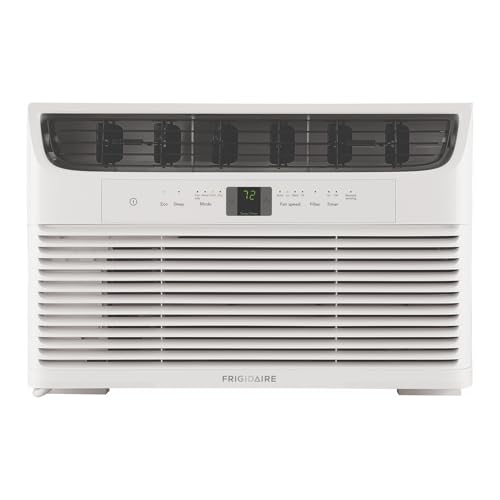
Frigidaire 8,000 BTU Window Air Conditioner with Remote

LG 24,500 BTU Window Air Conditioner (230V)
A Closer Look At Each Pick
Small bedrooms and tight home offices are where the Midea 5,000 BTU unit feels right at home. It’s designed to cool rooms up to about 150 square feet, which covers a typical guest room, nursery, or den without overworking the compressor.
Setup is straightforward since the unit slides into a standard window frame, and the included remote handles temperature, fan speed, and mode changes from across the room. For most apartments and single-zone cooling situations, the footprint stays manageable and the noise level is easy to live with during sleep.
Useful Strengths
- Reusable filter cuts down on replacement costs and rinses clean in seconds.
- Remote control lets you adjust settings without getting out of bed.
- Compact frame fits narrower window openings common in older homes.
- Electronic controls with LED display make the temperature obvious at a glance.
Things To Consider
- Coverage caps at roughly 150 square feet, so open-plan spaces will outgrow it fast.
- Window installation requires a secure mount and basic weather sealing around the frame.
At A Glance
Made For
Anyone cooling a single small room, apartment bedroom, or study where quiet, simple operation matters more than raw output.
Consider Something Else When
The Midea 12,000 BTU Window Air Conditioner with Heat is a better match for open living areas that need more reach.
Renters and anyone without a workable window frame tend to land on portable units, and the Gasbye Dual Hose model addresses the two biggest pain points in that category: efficiency and noise. The dual-hose setup pulls air from outside for the condenser and exhausts hot air back out, which typically keeps rooms from developing the negative pressure that single-hose portables create.
A full DC inverter compressor drives the 14,000 BTU cooling output while keeping energy use in check, and the 45dB noise level is low enough for bedrooms and home offices. Roll it between rooms as needed, and the backlit remote makes late-night adjustments simple.
The Good Stuff
- DC inverter compressor adjusts output rather than cycling hard on and off, which usually trims energy use.
- 45dB operation stays quiet enough for light sleepers and conference calls.
- Dual-hose design prevents the room-pressure issues common with single-hose portables.
- Covers up to 500 square feet, useful for larger living areas or studio spaces.
Points To Note
- Hose venting requires a window adapter, and sealing around the panel matters for efficiency.
- Portable units need periodic draining depending on humidity and mode settings.
Quick Facts
Who It Suits Best
Renters and homeowners who need a flexible cooling option that rolls between rooms without permanent installation.
Reach For A Different Pick When
The Attsix 16000 BTU Portable Air Conditioner with WiFi suits larger open spaces if you want app-based controls.
Homeowners who want one unit that handles summer cooling and shoulder-season warmth often look at the Midea 12,000 BTU model because it pulls double duty. It cools rooms up to 550 square feet and adds supplemental heat when temperatures dip, which can take the edge off chilly mornings without firing up the furnace.
Smart inverter technology helps the compressor ramp up and down gradually, so rooms hold a steadier temperature and the unit runs more efficiently. The remote, electronic controls, and built-in dehumidifier mode round out a package that suits living rooms and primary bedrooms.
Reasons It Performs
- Heat function adds useful warmth during cool mornings and fall evenings.
- Smart inverter control keeps temperatures consistent and usually saves energy.
- Dehumidifier mode helps in damp climates or basement-level rooms.
- Covers 550 square feet, fitting most living areas and large primary bedrooms.
Honest Caveats
- The heat pump function stops working when outdoor temps drop to roughly 41°F or below, so it isn’t a true winter replacement.
- Requires a 230V outlet, which not every room provides without electrical work.
Feature Snapshot
Best Suited To
Homeowners with 230V wiring who want cooling and supplemental heat in one window-mounted unit.
Swap It Out When
The Frigidaire 8,000 BTU Window Air Conditioner is easier to install in rooms with standard 115V outlets.
Open-concept living rooms and large master suites often need more cooling muscle than a standard portable can deliver, and the Attsix 16000 BTU unit steps into that gap. It covers up to 750 square feet and packs five operating modes into one cabinet: cool, fan, dehumidify, sleep, and auto.
WiFi app control is the headline feature for anyone who likes adjusting their climate from a phone before walking through the door. The 40dB sleep mode keeps the unit quiet enough for nighttime use, and the 24-hour timer helps trim energy use when the room is empty.
The Value In It
- 16000 BTU output covers open-plan spaces that smaller portables can’t handle.
- WiFi app control adds convenience for tech-comfortable households.
- 40dB sleep mode is one of the quieter settings in this cooling class.
- Five-mode operation handles seasonal changes from humid summers to mild spring days.
Worth Bearing In Mind
- Higher BTU output raises the importance of a properly sealed window venting kit.
- Larger cabinet footprint means you’ll want to plan floor placement carefully in tight rooms.
Who Should Grab It
Households with large open rooms and a preference for app-based controls over handheld remotes.
Where A Sibling Pick Shines
The Gasbye Dual Hose Portable Air Conditioner is a tighter fit when efficiency and lower noise are higher priorities than raw BTU.
Whole-floor cooling is where the Midea 24,000 BTU Smart Inverter makes its case, especially in homes with open layouts, high ceilings, or large great rooms. The unit covers up to 1,500 square feet, which can handle a main living area on its own in many homes.
Smart inverter technology ramps the compressor output gradually, holding temperatures steadier than fixed-speed units while trimming energy use. App and voice control options give you temperature adjustments from the couch, the car, or anywhere your phone has signal.
Positive Takeaways
- Covers up to 1,500 square feet, suitable for open floor plans and large main levels.
- App and voice control compatibility fits smart-home setups.
- Inverter compressor reduces the start-stop cycling that wears out fixed-speed units.
- Included installation kit simplifies the window mount process.
Possible Compromises
- Requires a 230V circuit, and some homes may need an electrician to add one.
- Physical size is substantial, so you need a window that can accommodate the wider frame.
Key Product Details
Right Fit For
Homeowners with large open floor plans and 230V wiring who want one unit to handle a main level.
Not Your Match When
The LG 24,500 BTU Window Air Conditioner suits spaces that need slightly more reach and don’t require smart-home integration.
Mid-size bedrooms, apartments, and small living rooms land squarely in the Frigidaire 8,000 BTU wheelhouse. The unit covers up to 350 square feet, which is plenty for most secondary spaces and a comfortable buffer for small primary bedrooms.
Three fan speeds and an Eco Mode give you control over noise and efficiency, while the auto-restart feature brings the unit back to your last setting after a power outage. The washable filter and clean-filter alert make routine maintenance easier to keep up with.
Real-World Strengths
- Eco Mode trims energy use during mild weather and overnight.
- Auto-restart resumes previous settings after a power interruption.
- Three fan speeds let you match airflow to room activity and time of day.
Practical Considerations
- Window installation requires proper support brackets and side curtain panels for a tight seal.
- Washable filter still needs regular rinsing to keep airflow strong and efficiency high.
Perfect Match For
Anyone cooling a mid-size bedroom or apartment living room who values simple, dependable operation over smart features.
Look Elsewhere When
The Midea 12,000 BTU Window Air Conditioner with Heat is a stronger fit for larger rooms and year-round use.
When the goal is cooling a very large room or even an entire floor of a home, the LG 24,500 BTU unit brings the muscle. It covers up to 1,560 square feet, which puts it among the highest-capacity window units available for residential use.
Three cooling speeds, three fan speeds, and 4-way air deflection give you control over where the cool air lands. Auto-restart brings settings back after an outage, and the electronic controls with remote handle daily adjustments from across the room. For homes with high ceilings or large open layouts, this is one of the most capable single-unit options.
What Pays Off
- 24,500 BTU handles rooms up to 1,560 square feet, among the largest in the category.
- 4-way air deflection distributes cool air more evenly than fixed-direction units.
- Auto-restart preserves your settings through power interruptions.
Trade-Offs To Consider
- 230V power requirement means you’ll likely need a dedicated outlet installed by an electrician.
- Unit weight and size call for a sturdy window frame and proper support brackets during install.
- Lacks the smart-app features found on some competing high-capacity units.
Whose Shelf It Belongs On
Homeowners with very large rooms, lofts, or open floor plans who need maximum cooling from a single window unit.
A Better Fit Elsewhere
The Midea 24,000 BTU Smart Inverter 230V Window Air Conditioner is a better choice if smart-home control matters alongside heavy-duty cooling.
What To Weigh Before Choosing Whole-Home Cooling
Room Size and BTU Matching
A BTU (British Thermal Unit) rating measures how much heat an air conditioner can remove per hour, and matching it to your room size is the single biggest factor in comfort. Undersized units run constantly without cooling the space, while oversized units short-cycle and waste energy. As a rough rule, 5,000 BTU handles about 150 square feet, 8,000 BTU covers around 350, 12,000 BTU fits 550, and 24,000+ BTU tackles 1,500 or more. Measure your room’s length and width before shopping, and adjust upward for high ceilings, sun-facing windows, or kitchens that run hot.
Window vs. Portable Installation
Window units generally cool more efficiently per BTU because they vent heat directly outside, but they require a compatible window frame and a secure mount. Portable air conditioners roll anywhere with a window nearby for the exhaust hose, which suits renters and rooms without workable windows. The trade-off is efficiency: portables typically use more energy for the same cooling output, and dual-hose designs (like the Gasbye model) close the gap by managing intake and exhaust separately.
Electrical Requirements and Noise
Higher-capacity units often need 230V wiring rather than a standard 115V outlet, which can require an electrician if your home isn’t already set up for it. Noise level matters too, especially for bedrooms and home offices. Inverter compressors tend to run quieter because they ramp up and down gradually instead of kicking on at full power. Check decibel ratings when noise is a concern, and look for sleep or quiet modes if you plan to run the unit overnight.
Key Considerations Across These Picks
Where Shoppers Go Wrong
The most common mistake is picking a unit based on BTU alone without accounting for room layout, sun exposure, or ceiling height. A room with a southern-facing wall of windows will need more cooling capacity than its square footage suggests. Another pitfall is underestimating electrical needs; a 230V unit on a 115V circuit simply won’t work, and some shoppers don’t check this until installation day. Finally, skipping the venting seal on portable units is a frequent miss, and the cool air leaks out as fast as the unit pushes it in.
When Paying More Pays Off
Higher-tier models in this category earn their keep through inverter compressors, better noise insulation, and smart controls that adjust output based on room conditions. For large rooms or whole-floor coverage, the extra up front often shows up as lower monthly energy bills and fewer temperature swings. If you run cooling for long stretches or in extreme climates, the efficiency gap between basic and premium units can justify the jump. For occasional use in mild climates, a mid-range pick usually does the job without overspending.
Frequently Asked Questions
How do I know what size air conditioner I need for a room?
Measure the room’s length and width, multiply to get square footage, then match that number to a unit’s rated coverage. Add extra capacity for sun-facing windows, high ceilings, or heat-producing appliances like kitchen ranges.
Are portable air conditioners less effective than window units?
Portable units typically use more energy to produce the same cooling, but dual-hose designs and inverter compressors narrow that gap. For renters or rooms without workable windows, a quality portable is often the only practical option.
Can one air conditioner cool a whole house?
A single high-capacity window unit can cover a large open floor plan, but most homes need multiple units to cool separate rooms effectively. Zoning individual rooms usually gives better comfort and efficiency than one oversized unit trying to do it all.
What does inverter technology do in an air conditioner?
An inverter compressor adjusts its speed gradually to match the cooling demand rather than switching fully on and off. The result is steadier room temperatures, quieter operation, and often lower energy use over time.
How often should I clean the filter on my air conditioner?
Most manufacturers recommend checking the filter every two to four weeks during heavy use and rinsing washable filters as needed. A clogged filter reduces airflow, lowers efficiency, and can shorten the life of the compressor.