
A slow refrigerant leak turns a comfortable cabin into a guessing game, and most home garages lack the gear to chase one down. Air conditioner leak detectors fall into two camps: dye-based kits that glow under UV light, and electronic “sniffers” that sense halogen gas in the air. Each approach has real strengths, and choosing the wrong tool usually means wasted weekends and a recharged system that loses pressure again.
This roundup covers both styles, from a simple dye injector for a one-shot coolant check to infrared sniffer tools aimed at HVAC techs. The picks below lean on what each tool is actually built to do, so you spend less time hunting leaks and more time getting cold air back.
The Shortlist At A Glance
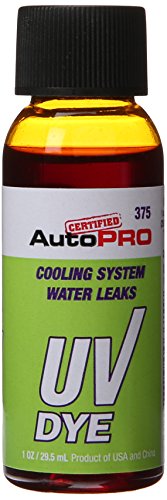
A/C Pro Car Air Conditioner UV Leak Detector Dye 1 Oz

Aprvtio WJL-6000PRO Refrigerant Leak Detector with UV & LED Light

Elitech CLD-100 Freon Leak Detector
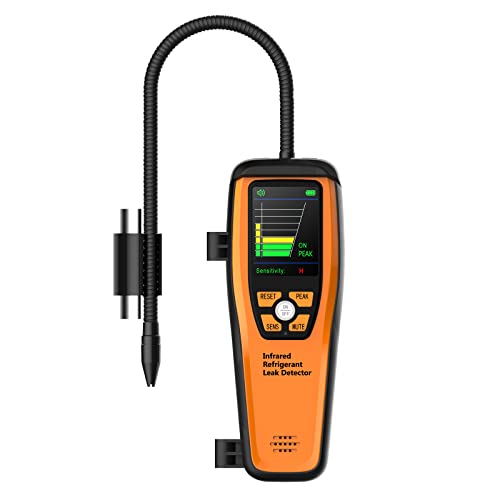
Elitech ILD-200 Infrared HVAC Refrigerant Leak Detector
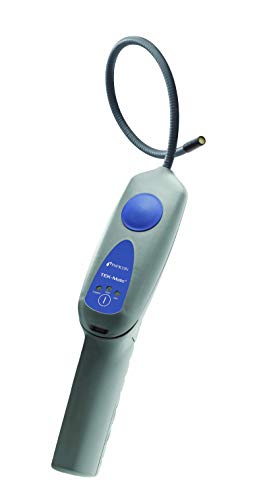
Inficon TEK-Mate Refrigerant Leak Detector (705-202-G1)

Vansky 68 LED Automotive AC UV Dye Leak Detection Kit

Tookie Fluorescent UV Leak Detector Kit with Glasses
More Details On Our Top Picks
The A/C Pro UV dye is the simplest tool on this list. You pour a single one-ounce dose into the radiator or AC system, run the engine for a few minutes, and then sweep a UV flashlight over the hoses and connections. Anywhere dye seeps out, it glows under ultraviolet light, giving you a clear visual trail even in a cramped engine bay.
For most first-timers, that workflow is easier to grasp than learning a sniffer. The dye works across standard coolant types, and one bottle covers a single application, so you are not paying for fluid you will not use.
Notable Upsides
- Pour-in design that needs no special fittings
- Works on both car AC systems and radiator coolant loops
- Single-application bottle keeps waste low
- Compatible with a wide range of standard antifreeze types
Worth Noting
- You still need a separate UV flashlight to see the glow
- Not formulated for GM DEX-COOL systems, so check your coolant type first
- Residual dye stays in the system and can show up at future service visits
Who It Suits Best
First-time DIYers who want a low-fuss way to confirm whether their cooling system or AC is leaking at all.
Consider Something Else When
Pick the Aprvtio WJL-6000PRO instead, since it bundles a UV light and a halogen sniffer into one tool for broader coverage.
The WJL-6000PRO pairs an electronic halogen sniffer with a built-in UV flashlight, so you get two detection methods in one handheld. It targets the most common automotive refrigerants, including R134a, R22, and R410A, which covers the majority of car and residential split systems on the road today.
Where the A/C Pro dye above requires a follow-up flashlight purchase, this tool handles both jobs from a single body. For someone diagnosing warm cabin air, having the sniffer and the UV light in one hand keeps the workflow tight.
A Few Strong Suits
- Two-in-one design cuts the number of tools cluttering the garage bench
- Covers R134a, R22, and R410A, so it works on most vehicle and home AC systems
- Entry-level pricing for shoppers building a first diagnostic kit
- LED work light helps in dim engine bays and under dashboards
Trade Offs
- Lower sensor tier than the dedicated Elitech units covered below
- Probe length is shorter than shop-grade options, so reaching deep condenser coils takes patience
Key Specs
Made For
DIYers and car owners who want a single affordable tool that can both sniff refrigerant and light up dye.
Look Elsewhere When
Choose the Inficon TEK-Mate if you want a heated-diode sniffer built for repeated professional use.
Elitech positions the CLD-100 as an upgraded take on the older WJL-6000 platform, swapping in a refined analog circuit and a corona-discharge sensor (a sensor that detects refrigerant by measuring electrical changes in a charged field). That design responds quickly to halogen gases and supports a wide refrigerant library, which matters if you work on older R12 systems alongside modern R134a cars.
You also get six sensitivity steps, so you can dial in the response for a slow seep versus an obvious hiss. The flexible probe, around eight inches long, is helpful when tracing leaks behind the firewall or under intake manifolds.
Points In Its Favor
- Six-step sensitivity adjustment for fine-tuning slow leaks
- Covers R11, R22, R134a, R404A, R410A, plus HFC and HCFC blends
- Flexible probe reaches awkward condenser and evaporator areas
- Around six-second warm-up before readings stabilize
Honest Caveats
- Corona sensors can be more sensitive to humidity and background gases than infrared alternatives
- No built-in UV light, so dye work still needs a separate flashlight
Best Suited To
Shade-tree mechanics who troubleshoot a mix of older and newer vehicles and want adjustable sensitivity on a budget.
A Better Fit Elsewhere
Switch to the Elitech ILD-200 if you want an infrared sensor that shrugs off humid shop air.
The ILD-200 steps up to an infrared sensor (a sensor that identifies refrigerant by reading how the gas absorbs infrared light, much like a breathalyzer). Compared with heated-diode designs, infrared tends to ignore false triggers from soap, cigarette smoke, and shop humidity, so you spend less time chasing phantom leaks.
Elitech rates the sensor life at around ten years with normal use, which makes the upfront cost easier to justify for anyone running regular diagnostics. Three sensitivity presets keep the controls simple on a busy service day.
The Upside
- Infrared sensor resists humidity and background-gas false alarms
- Rated for roughly ten years of sensor service life
- High, medium, and low sensitivity presets simplify field use
- Detects the full halogen refrigerant family used in modern AC work
Some Limits To Know
- Higher cost than corona or heated-diode models at this tier
- No integrated UV light for dye confirmation work
Feature Snapshot
Perfect Match For
Small shops and serious enthusiasts who run leak checks often enough to want a low-maintenance infrared sensor.
Skip It When
Pick the Inficon TEK-Mate if A2L certification (a safety standard for mildly flammable refrigerants) matters for your local code or employer.
The Inficon TEK-Mate is the tool most working HVAC technicians reach for. Its heated-diode sensor (a small heated element whose electrical current shifts when refrigerant contacts it) is a long-proven design, and the unit is A2L certified, which means it has been tested as safe around the mildly flammable refrigerants entering the market.
Operation stays deliberately simple: power on, set sensitivity, and sweep. That minimal interface helps in tight ceiling spaces or on a rooftop unit where menu diving is the last thing you want.
Real-World Strengths
- A2L certification covers the newer mildly flammable refrigerants
- Sensitivity of 0.25 oz per year catches slow pressure drops
- Heated-diode sensor is field-proven across decades of HVAC work
- Compact body is comfortable for overhead rooftop service
Points To Note
- Heated-diode sensors can false-trigger on heavy cigarette smoke or high humidity
- Replacement sensors are a recurring shop cost over years of use
Quick Facts
Right Fit For
Working HVAC technicians who need an A2L-rated tool that handles daily service calls without a learning curve.
Swap It Out When
Reach for the Elitech ILD-200 instead, since its infrared sensor reduces false alarms in steamy outdoor environments.
Vansky leans into the UV side of leak detection with a 68-LED flashlight and a pair of protective glasses in the box. The extra LEDs spread the ultraviolet beam across a wider area, so you can sweep a section of hose at a time instead of chasing a tight hot spot.
For a home garage, the wider coverage shortens the search once dye is circulating. Compared with the A/C Pro dye above, you get the viewing light included, which removes one extra purchase from the to-do list.
Practical Pluses
- 68-LED array lights a wider section of line at once
- UV-blocking glasses included for eye safety during sweeps
- Useful for any UV dye system, not just one brand
- Reasonably priced entry into UV-based detection
Possible Compromises
- Dye is sold separately, so plan on adding one bottle to the kit
- Brightness drops as batteries age, so spares belong in the drawer
Who Should Grab It
Garage-based DIYers who already have dye on hand and want a brighter viewing flashlight with safety glasses included.
Where Another Pick Suits Better
Choose the Tookie kit instead, since it bundles dye, flashlight, and glasses in one box.
The Tookie kit keeps things simple by bundling everything a first-timer needs: a bottle of fluorescent dye, a UV flashlight, and a pair of protective glasses. One box, one shopping trip, and you are ready to start hunting.
It is the most approachable option on the list, useful when you are not sure whether a leak even exists and just want to check before booking a service appointment.
Useful Strengths
- All-in-one kit removes the guesswork of matching parts
- Glasses protect your eyes during repeated UV sweeps
- Works on most automotive AC systems
- Lowest barrier to entry for first-time users
Worth Bearing In Mind
- Light output is modest compared with the Vansky 68-LED flashlight
- Dye quality is general-purpose, so results on very slow leaks can vary
Spec Overview
Built With In Mind
First-time DIYers who want a single box of basics to confirm whether a suspected leak is real.
Another Choice May Suit
Pick the Vansky 68-LED kit if you want a noticeably brighter UV light for the same dye-based workflow.
Choosing the Right Air Conditioner Leak Detector for Your Garage
Pick a Detection Method That Matches the Job
Dye kits work well for visual confirmation, especially on a slow seep you suspect but cannot smell. Electronic sniffer tools like the Elitech CLD-100 and the Inficon TEK-Mate excel when you want results without adding anything to the system. Most home users do fine starting with dye and a UV flashlight, while frequent troubleshooters often add a sniffer as a second line of defense.
Match the Sensor to Your Environment
Infrared sensors shrug off humid garage air and shop smells that throw off cheaper corona and heated-diode models. If you live near the coast or do AC work in summer humidity, the Elitech ILD-200 pays for itself in fewer false alarms. Heated-diode tools remain a reliable workshop staple, but they do need occasional sensor replacement after years of use.
Confirm Refrigerant Compatibility
A detector that does not “see” your refrigerant is just a flashlight with a battery. Make sure the model lists the specific gas in your system, whether that is R134a for most cars, R410A for newer home mini-splits, or older R22 charges in legacy equipment. The Aprvtio WJL-6000PRO and the Elitech CLD-100 cover the broadest mix of common refrigerants in this roundup.
Mind the Certification
A2L certification matters once your work touches mildly flammable refrigerants, which are spreading across newer residential and commercial systems. The Inficon TEK-Mate is the pick on this list that explicitly carries that rating, making it the safer choice for code-conscious pros and shop owners.
Smart Spending in the Leak Detector Aisle
Pitfalls Shoppers Hit
A common stumble is buying a UV flashlight without any dye, or vice versa, and ending up with a kit that cannot actually do the job. Check that the box includes both the contrast medium and the viewing light before you check out. Another trap is grabbing a budget sniffer that does not list your specific refrigerant, which leaves you with a tool that quietly does nothing in your garage.
Where The Extra Money Goes
The jump from a corona sensor to an infrared one explains most of the price climb between the CLD-100 and the ILD-200. You pay for a longer sensor life, fewer false alarms, and stronger behavior in humid conditions. Stepping up to an A2L-certified tool like the Inficon TEK-Mate adds regulatory peace of mind, which matters if you service commercial or newer residential systems on the job.
Frequently Asked Questions
How do air conditioner leak detectors actually work?
Electronic detectors sense halogen refrigerant molecules in the air using heated-diode, corona, or infrared sensors, while UV dye kits rely on a fluorescent dye that glows under ultraviolet light. The two approaches catch different leak types, and many serious users keep both on hand.
Are UV dye kits safe for car air conditioning systems?
Yes, most modern UV dye formulations are designed to circulate with the refrigerant and oil without harming the compressor or seals. Always confirm the dye is rated for your system and avoid mixing it with incompatible coolants like GM DEX-COOL unless the product explicitly states compatibility.
How sensitive should a refrigerant leak detector be?
Lower sensitivity numbers mean a smaller leak can be caught, which matters for catching pressure loss early. Tools rated around 0.14 to 0.25 oz per year are typical for serious DIY and professional use, and the tighter the number, the smaller the seep you can find.
Can a leak detector find the source without dye?
Electronic sniffer tools can locate refrigerant leaks without any dye added, which makes them useful when the system has not been opened or you want a non-invasive check. Dye still helps when the leak is too small for the sniffer to pinpoint, especially in tight engine bay spaces.
Do I need a professional tool for home use?
For occasional cabin AC checks, a UV dye kit or a basic electronic sniffer is plenty. A shop-grade unit like the Inficon TEK-Mate only earns its keep when you run leak checks often enough to justify the upfront cost and A2L certification.