
A bedroom AC has to do more than blow cold air. It needs to drop the room temperature quickly, hold a steady setting through the night, and stay quiet enough that you can sleep next to it. Anyone living in a top-floor apartment, a converted attic, or a sun-trap south-facing bedroom knows the trade-off: some units cool hard but hum like a generator, others run quiet but never quite catch up on the hottest evenings. The list below focuses on room-sized window units, portable ACs that roll between rooms, and tower fans for milder climates where air circulation does most of the work.
The Main Contenders

BLACK+DECKER Portable Air Conditioner 8,500 BTU (White)

Midea 6,000 BTU Window Air Conditioner (Electronic Control)
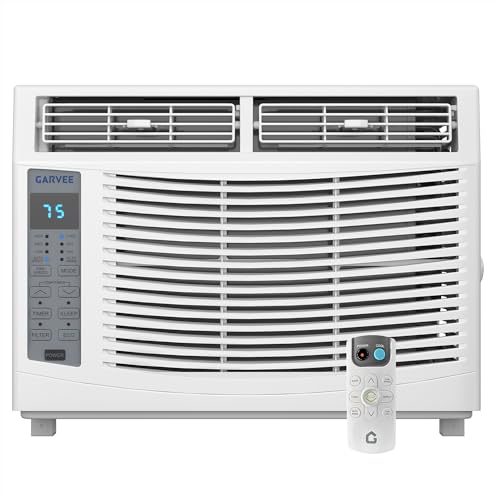
6000 BTU Window Air Conditioner with Remote (GarveeHome)

DREO Smart Tower Fan for Bedroom (28ft/s)

DREO Tower Fan for Bedroom (28ft/s, White)

Antarctic Star 8000 BTU Portable Air Conditioner
Why These Options Stand Out
When drilling a window sleeve isn’t an option, the BLACK+DECKER BPACT05SM earns its spot by rolling between rooms on built-in casters. Rated at 8,500 BTU with a 5,100 BTU SACC (the more accurate measure used under current Department of Energy testing, where SACC stands for Seasonally Adjusted Cooling Capacity), it’s tuned for bedrooms and living areas up to about 350 square feet, which covers most apartments and modest primary suites.
The included window kit and full-function remote let you install it in under an hour, and the three-in-one design folds cooling, dehumidifying, and fan-only modes into a single unit. Anyone cycling between a bedroom at night and a home office during the day will appreciate not having to buy a second appliance.
Real Benefits
- Portability: built-in casters make it easy to move from bedroom to living area without lifting
- Three-in-one versatility covers cooling, dehumidifying, and fan-only circulation in a single box
- 350 sq. ft. coverage handles medium-sized bedrooms and open studio layouts
- Full-function remote means you can adjust temperature and mode from bed
Things To Consider
- Like all portable ACs, the exhaust hose routes through a window, so the window kit adds a small visual footprint
- Condensation buildup is common in humid climates; depending on humidity, you may find yourself draining the reservoir more often than expected
Who It Suits Best
Renters and anyone who can’t modify a window frame will get the most out of this portable setup.
Where Another Pick Suits Better
Light sleepers who want a quieter, more permanent install may prefer the Midea 6,000 BTU Window Air Conditioner.
The Midea EasyCool window unit leans into the qualities that matter most in a bedroom: low noise and predictable cooling. Rated at 6,000 BTU and sized for rooms up to 250 square feet, it sits in the sweet spot for typical bedrooms, home offices, and small dens, with a stated low-mode noise level around 52 dB.
Three operating modes (cool, fan, and dehumidify) let you choose between aggressive cooling and gentle air circulation on milder nights. Electronic controls with a clear LED display and included remote make setting adjustments after lights-out simple, which matters more than it sounds when you don’t want to get out of bed at 2 a.m.
Standout Benefits
- Low-mode operation near 52 dB keeps background hum from interrupting sleep
- Three-mode flexibility handles humid evenings, dry heat, and gentle air movement
- 250 sq. ft. coverage matches most standard bedroom dimensions
Worth Noting
- Window installation requires basic tools and a securely mounted support bracket
- Like most window units, you sacrifice that window’s natural light while the AC is installed
Key Specs
Made For
Light sleepers and anyone working from a home study will appreciate this unit’s low-decibel profile.
Consider Something Else When
Shoppers needing a room above 250 sq. ft. may want the wider reach of the BLACK+DECKER BPACT05SM portable.
GarveeHome’s 6,000 BTU window unit offers the same 250 sq. ft. coverage as the Midea pick but adds three cooling and fan speeds, an LED digital display, and a remote control. The advertised quiet operation makes it a reasonable alternative for shared bedrooms where two people run different temperature preferences.
Compared to the Midea EasyCool, this model leans harder on customization, with more speed settings and a digital interface that gives you precise temperature reads. The trade-off is a slightly more complex control panel, which is a non-issue once you learn the layout but adds a few minutes of setup.
Practical Advantages
- Three cooling and fan speeds let you fine-tune airflow without overcooling
- LED digital display shows exact setpoint at a glance
- Included remote keeps adjustments within reach from bed
- Quiet operation target suits bedroom and office environments
Trade Offs
- More speed settings mean a slightly steeper learning curve for first-time users
- Like the Midea, it blocks the window it’s installed in until removal
Right Fit For
Couples and roommates who want flexible fan and cooling speeds will find this a sensible everyday match.
Skip It When
Anyone prioritizing app-based smart controls should look at the DREO Smart Tower Fan for Bedroom instead.
Tower fans sit in a different category from the AC units above, and the DREO Smart Tower Fan makes the case for them in milder climates where you mostly need air circulation rather than refrigerant cooling. The 2026-upgraded brushless DC motor pushes air at up to 28 ft/s, and the 90-degree oscillation sweeps that airflow across a wide arc of the room.
What separates this model from the DREO pick below is the smart layer: WiFi and voice control integration let you adjust speeds and modes from a phone or smart speaker, and the 8-hour timer handles overnight use. The bladeless design also means easier cleaning, since there’s no grille packed with dust magnets to scrub.
Points In Its Favor
- Smart home integration with WiFi and voice control for hands-free adjustments
- 28 ft/s airflow and 90-degree oscillation cover wide bedroom layouts
- Bladeless form factor simplifies routine dusting and maintenance
- 8-hour timer supports overnight operation without manual shutoff
Points To Note
- A tower fan circulates air rather than actively cooling it, so very hot climates may still need a refrigerant unit alongside it
- WiFi setup requires a 2.4 GHz network and a quick app pairing step
Feature Snapshot
Best Suited To
Smart home enthusiasts in mild-to-moderate climates will get the most out of the connected features.
Not Your Match When
Anyone facing triple-digit summer heat should pair this with an actual AC like the Antarctic Star 8000 BTU portable.
The non-smart sibling to the DREO above trades WiFi and voice control for a simpler, more direct user experience. The 2026-upgraded brushless DC motor, 28 ft/s airflow, 90-degree oscillation, and 8 speeds carry over from the smart version, so you don’t lose cooling performance by skipping the connected features.
Without app pairing, the included remote handles all adjustments, which is faster for anyone who doesn’t want another device on their home network. The bladeless design still keeps the cleaning routine short, and the white finish blends into most bedroom aesthetics without looking like a piece of office equipment.
A Few Highlights
- Same 28 ft/s airflow and 90-degree oscillation as the smart DREO model
- Remote-only operation skips WiFi setup and app dependencies
- Bladeless tower design is easy to wipe down during routine cleaning
- Four operating modes (Normal, Natural, Sleep, Auto) match different room conditions
Room For Improvement
- Like all tower fans, it moves air but doesn’t lower room temperature the way a refrigerant AC does
- Tall tower footprint requires a corner or wall-adjacent placement in smaller bedrooms
Perfect Match For
Anyone who wants DREO’s airflow without smart home integration will find this a clean fit.
A Better Fit Elsewhere
Shoppers wanting both air circulation and active cooling in one should look at the Midea 6,000 BTU Window Air Conditioner.
The Antarctic Star 8000 BTU rounds out the list with the most mode variety of any unit here. Cool, dehumidifier, fan, sleep, and timer modes cover nearly every bedroom condition, from humid summer nights to shoulder-season mornings that just need a gentle breeze. Coverage extends to roughly 350 sq. ft., matching the BLACK+DECKER portable at the top of the list.
Auto swing and a child lock add practical touches that matter in real homes: auto swing keeps airflow from feeling like a constant point source on one side of the bed, and the child lock prevents accidental setting changes from curious hands.
What It Does Well
- Five operating modes cover cooling, dehumidification, fan-only, sleep, and timer functions
- Auto swing distributes airflow across the room instead of aiming at one spot
- Child lock prevents accidental setting changes in family bedrooms
- 350 sq. ft. coverage handles medium bedrooms and apartment living areas
Points To Keep In Mind
- The included drain hose supports continuous dehumidifier mode, but routine maintenance of the reservoir and filter is still required for cooling mode
- Portable form factor with exhaust hose adds a small visual element at the window
Quick Facts
Who Should Grab It
Families and apartment dwellers dealing with humid summers will get strong use from the five-mode flexibility.
Another Choice May Suit
Anyone who wants smart home integration alongside cooling should look at the DREO Smart Tower Fan for Bedroom.
Picking The Right Bedroom Cooling Setup
Match Cooling Capacity To Room Size
The BTU rating (British Thermal Units per hour, a measure of how much heat an AC can remove) should track the square footage of your bedroom. A 6,000 BTU unit covers about 250 sq. ft., which fits most standard bedrooms. A 350 sq. ft. primary suite with a south-facing window may need 8,000 to 8,500 BTU, which is where the two portable picks earn their keep. Oversizing wastes energy and short-cycles the compressor, while undersizing leaves the unit running constantly without ever hitting the setpoint.
Decide Between Window, Portable, And Tower
Window units are typically quieter per BTU and more energy-efficient because the compressor sits outside the room. Portable units trade that efficiency for the freedom to roll between rooms, which is invaluable for renters and shared spaces. Tower fans like the two DREO models don’t actively cool but circulate air well, which makes them ideal for bedrooms in mild climates or as a supplement during shoulder seasons.
Prioritize Noise For Light Sleepers
Anything in the 50 to 55 dB range is generally tolerable for sleep, while units above 60 dB tend to register as a low hum that pulls sensitive sleepers out of deeper cycles. The Midea EasyCool’s stated 52 dB low-mode rating is a real differentiator if your bedroom shares walls with a light sleeper or a shift worker sleeping during the day.
Look For Modes That Match Your Climate
Humid regions benefit from a dedicated dehumidifier mode, since moisture on the skin is what makes warm air feel unbearable. Dry-heat climates may only need fan and cool modes, and a sleep mode that gradually raises the temperature overnight can prevent the 3 a.m. chill that wakes you up.
Common Shopping Slip Ups And Upgrade Payoffs
Mistakes Worth Dodging
A common misstep is buying strictly on BTU without checking the SACC figure, the more accurate cooling capacity used under current testing standards. Two 6,000 BTU units can perform differently in real rooms when one has a higher SACC rating, since SACC accounts for variable-speed compressors and real-world humidity. Another frequent error is overlooking window clearance: a window AC needs support brackets and side panels that fit your specific window opening, and measurement before purchase prevents returns.
What The Higher Tier Buys
Stepping up to an 8,000+ BTU portable brings coverage past 300 sq. ft., more mode variety, and features like auto swing and child lock that simplify daily use. The trade-off is higher power draw, a heavier unit, and a louder compressor cycle. For most bedrooms in the 200 to 300 sq. ft. range, a 6,000 BTU window or portable unit is the practical sweet spot, and the upgrade only pays off when the room is genuinely larger, sunnier, or more humid than average.
Frequently Asked Questions
How Many BTU Do I Need For A Bedroom?
For a standard 150 to 250 sq. ft. bedroom, 6,000 BTU is typically enough. Larger primary suites or sun-facing rooms in the 300 to 350 sq. ft. range usually need 8,000 BTU or higher to cool effectively.
Are Portable AC Units Quieter Than Window Units?
Not generally. Window units tend to run quieter per BTU because the compressor sits outside the room, while portable units house all components indoors. The Midea EasyCool’s stated 52 dB low-mode rating is competitive with many window units.
Can A Tower Fan Cool A Bedroom?
Tower fans move air but don’t lower room temperature like a refrigerant AC. In mild climates or as a supplement to an existing AC, they create a wind-chill effect that makes the room feel cooler.
How Often Do Portable AC Filters Need Cleaning?
Most manufacturers recommend cleaning the reusable filter every two to four weeks during heavy use, since dust buildup reduces airflow and efficiency over time.
What Is SACC And Why Does It Matter?
SACC stands for Seasonally Adjusted Cooling Capacity, the more accurate measure of real-world cooling performance under current Department of Energy testing standards. Two units with the same nominal BTU can differ in actual cooling once SACC is factored in.