

An air conditioner that refuses to kick on at the worst possible moment is one of those small home failures that derails a whole afternoon. The relay sitting in your condenser or furnace is usually the part that quit, and swapping in a fresh unit often brings the system back without calling a tech. The right pick depends on coil voltage, current draw, and the form factor your existing unit accepts. The list below covers common 24V and 120V options across contactors and compact relays, with a short read on who each one actually fits.
The Lineup, Simplified

Dreyoo 1 Pcs 24V Coil 40A 2 Pole Air Conditioner Contactor

BOJACK 1 Pole FLA 30A Coil 24 VAC AC Contactor

Tnisesm 2PCS Power Relay AC120V 30A SPDT with Flange Mounting

Dreyoo 1 Pack 24V Fan Relay 90-380 SPST

Dreyoo 2 Pack 24V Fan Relay 90-380 SPST
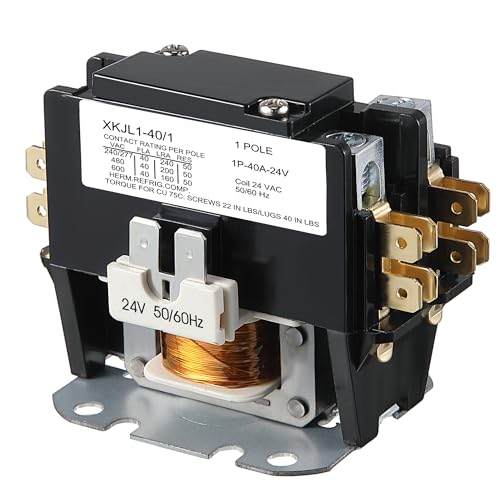
Dreyoo 24V Coil 1 Pole 40A Air Conditioner Contactor

SunLee 2 Pole 40A 120V Coil Contactor for Condenser
What Each Pick Brings To The Table
A 24V coil paired with a 40A two-pole layout makes this Dreyoo contactor the kind of part a technician reaches for on standard residential condensers up to about five tons. The double-pole switching breaks both legs of the line voltage feeding the compressor and the condenser fan, which matches what most modern outdoor units need for safe isolation during service calls.
Compared with smaller single-pole designs lower on this list, you get the headroom to run a fan and compressor together without pushing the contacts to their edge. The build uses silver-alloy contact surfaces and a sealed coil that resists attic humidity, so it should hold up in coastal or basement utility rooms where moisture creeps in.
Real-World Strengths
- 40A full-load rating covers most residential condenser pairs of compressor plus fan
- Two-pole switching isolates both hot legs for safer servicing
- Sealed coil housing reduces the chance of moisture tripping the unit off
- UL508-aligned build meets common electrical inspection expectations
- Drop-in form factor fits standard 24V thermostat control wiring
Things To Consider
- Two-pole footprint is larger than the BOJACK single-pole pick; check your existing mounting bracket
- No bundled wiring harness, so you may need ring terminals on hand for the install
Made For
Homeowners with a standard split-system AC whose outdoor unit has died mid-summer and needs a direct replacement on a 24V control circuit.
Consider Something Else When
Choose the BOJACK 1 Pole FLA 30A Coil 24 VAC AC Contactor instead for window units and small PTAC systems that only need single-pole switching at lower current.
The BOJACK trades a pole for a smaller enclosure, and that is genuinely useful when you are working inside a tight disconnect box. At 30A full-load on a 24V coil, it lines up well with the compressor side of a window unit, a mini-split indoor head, or a small rooftop package unit, which is where the heavier 40A two-pole Dreyoo above would simply be too much hardware.
For most home service situations, the trade-off is a smaller chassis that you can swap in without bending the metal bracket. The 1/4-inch copper terminal lugs accept standard quick-disconnects used across the HVAC trade, so the wiring side stays familiar.
What Helps Most
- 30A continuous rating covers smaller compressors without excess size
- 1/4-inch copper lugs fit standard HVAC quick-connects
- Class B coil insulation handles attic heat for typical residential runs
- Compact form factor fits inside shallow disconnect cabinets
Worth Noting
- Single-pole design will not isolate both line legs, which some inspection standards call for on outdoor units
- Lower amp headroom than the 40A two-pole Dreyoo, so it is not a fit for larger five-ton condensers
- Class B insulation runs warmer than the Class F rating on the SunLee 2 Pole 40A 120V Coil Contactor further down
Whose Shelf It Belongs On
Apartment dwellers and small-system owners dealing with a single failed relay in a window AC or compact condenser that needs a direct 24V replacement.
Look Elsewhere When
Reach for the Dreyoo 1 Pcs 24V Coil 40A 2 Pole Air Conditioner Contactor when the equipment label calls for 40A and a two-pole disconnect.
This Tnisesm pack is built for projects rather than direct condenser replacement. SPDT means single-pole double-throw, so the relay can switch one circuit between two outputs, which is the kind of flexibility you want when wiring a custom fan controller, a temperature-triggered pump, or a small greenhouse automation setup. The 120V coil matches household mains, so you can drive it from a standard outlet-powered transformer.
You get two relays plus ten pre-crimped quick-connect leads in the box, which saves a run to the parts store. For most hobbyist builds the flange mount and pre-tinned wires make panel assembly quicker than sourcing loose terminals.
Advantages To Know
- SPDT contact arrangement handles either on or off switching plus a secondary output path
- Two-relay pack with ten wires included for immediate hookup
- Flange mount design screws cleanly to a project enclosure or backplate
- 30A switching handles moderate fan, pump, or lighting loads
Trade Offs
- Not a direct condenser contactor, so it is the wrong choice for replacing a factory 24V HVAC relay
- Bulk hobby packs sometimes ship with extra length wire that needs trimming during install
Who It Suits Best
Makers and small-shop builders assembling custom control panels where a 120V-triggered, 30A-rated SPDT relay fits the wiring logic.
Where Another Pick Suits Better
Pick the Dreyoo 2 Pack 24V Fan Relay 90-380 SPST for a furnace fan swap where the control board is already 24V and the project is repair rather than new build.
The 90-380 form factor is a fan relay you will find inside a lot of Goodman, Nordyne, and similar residential gas furnace control boxes, and this single-pack Dreyoo drops straight into that footprint. SPST means single-pole single-throw, the simplest on/off pattern, which matches how most furnace boards call for a fan to be energized in heat or cool mode.
You may find the 12FLA continuous rating runs cooler than older relays that ran near their limit, so it should outlast a unit that has been chattering for years. For most service calls, a single pack is the right size if you only have one furnace to bring back.
What Makes Sense
- 90-380 footprint matches the common residential furnace relay slot
- 24V coil hooks to standard thermostat transformer wiring
- Compact case fits inside the blower compartment without modification
- SPST contact pattern matches most furnace board logic
Softer Spots
- Single unit means no spare if the install goes sideways or a second zone fails later
Key Specs
Who Will Love This
Homeowners with a single Goodman-style furnace whose fan relay has burned out and who only need one replacement to finish the repair.
Reach For A Different Pick When
Pick the Dreyoo 2 Pack 24V Fan Relay 90-380 SPST instead for service calls across multiple furnaces or to keep a spare in the truck.
Same 90-380 SPST relay as the single pack above, doubled up, which is the format that actually pays off for working techs and handy homeowners. Keeping a spare on the shelf turns a Sunday afternoon failure into a fifteen-minute swap instead of a next-day parts run, and the second unit is essentially free compared with shipping twice.
For most two-zone households, the second relay is a hedge rather than a need, but it is the kind of insurance that earns its keep the first time the second zone fails a year later.
Features That Help
- Two relays in one box for stocked spares
- Same 90-380 footprint as the single-pack version above
- 24V coil works with standard furnace transformers
Honest Caveats
- Unused spares should be stored dry, since attic humidity can age the contacts over time
- Buying two when you only need one is wasted cash for a single-furnace home
Right Fit For
Service technicians and homeowners with multi-zone systems who want a backup relay ready before a weekend breakdown.
Where A Sibling Pick Shines
Choose the Dreyoo 1 Pack 24V Fan Relay 90-380 SPST for a one-and-done furnace swap where a spare would just sit in a drawer.
The single-pole sibling to the two-pole Dreyoo at the top of this list, this 40A contactor is the right fit when you need the higher current capacity but only switch one line leg, such as on a heat strip, an air handler, or a packaged unit where the board handles the second pole internally. Compared with the 30A BOJACK earlier, you gain 10A of headroom for larger compressor inrush currents.
For most residential HVAC service, the silver-alloy contacts and sealed coil construction carry over from the two-pole version, so longevity expectations should track closely.
The Good Stuff
- 40A rating covers larger inrush draws during compressor start-up
- Sealed coil resists attic moisture and condensation
- 24V coil matches common thermostat transformers
- Compact single-pole chassis fits where two-pole units will not
Where It May Fall Short
- Single-pole design leaves the second line leg unswitched, which some inspection standards flag
- No wiring harness bundled, so plan on sourcing your own ring terminals
Key Specs
Best Suited To
Service techs working on air handlers or heat strips that need a 40A single-pole contactor on a 24V control circuit.
A Better Fit Elsewhere
Pick the Dreyoo 1 Pcs 24V Coil 40A 2 Pole Air Conditioner Contactor for outdoor condensers that genuinely need both line legs isolated.
Where the other 24V contactors on this list expect a thermostat transformer to drive the coil, this SunLee jumps to a 120V coil, which is the kind of voltage already sitting on the line side of many packaged units and older condensers. You can wire it directly off the line leg without an extra low-voltage source, which simplifies retrofits where pulling new control wire would mean opening finished walls.
The Class F 155°C coil insulation is a step up from the Class B rating most competitors use, so it tolerates hotter attic or rooftop enclosures without tripping early. For most whole-system upgrades, the bulk molding compound housing also resists cracking during installation.
Practical Pluses
- 120V coil wires directly to line voltage without an extra transformer
- Two-pole switching isolates both hot legs on condensers and heat pumps
- Class F coil insulation tolerates higher ambient temperatures
- Drop-in fit for many 20-40A two-pole replacements including 42CF15AF
Points To Keep In Mind
- 120V coil is the wrong match for thermostats that only put out 24V, so confirm your control source first
- Slightly larger housing than the 24V Dreyoo units, so measure the existing bracket before ordering
Key Specs
Perfect Match For
Homeowners replacing a 20-40A two-pole contactor on a packaged AC or heat pump whose control side is already 120V.
Skip It When
Choose the Dreyoo 1 Pcs 24V Coil 40A 2 Pole Air Conditioner Contactor instead when the thermostat only provides a 24V control signal.
What To Match Before You Click Add To Cart
Coil voltage is the first filter. Most residential thermostats output 24V, which makes 24V coil contactors the right fit for typical split systems. Packaged units and older condensers often put 120V on the control side, and that is where a 120V coil like the SunLee avoids the need for a separate transformer.
Current rating is the second filter. Look at the data plate on the compressor or air handler and match or exceed the full-load amps, not just the locked rotor amps. A 30A contactor on a 35A load will eventually weld its contacts shut. Pole count comes third. Single-pole units switch one line leg and are common on air handlers, while condensers and heat pumps typically need two-pole isolation for safe servicing.
Form factor closes the loop. The 90-380 footprint is the residential furnace standard, while condensers use a wider, taller chassis with 1/4-inch lugs. Measure the existing bracket and the depth of the disconnect box before ordering, since a contactor that fits on paper can still be too tall once the cover goes back on.
Common Slip Ups Shoppers Make
Pitfalls Shoppers Hit
One of the most common mistakes is matching amps but ignoring coil voltage, which leaves you with a contactor that never pulls in. Another is buying a 24V coil for a 120V control circuit, which can be a quieter failure since the coil just sits open without drama. Skipping the data plate check is a close third, since the rating on the old contactor may already have been the wrong part.
What The Higher Tier Buys
The jump from a 30A single-pole contactor to a 40A two-pole Class F unit buys three things at once: extra headroom during compressor inrush, isolation of both line legs for service safety, and a coil insulation rating that survives hotter attics. For most homeowners running a single standard condenser, the mid-tier 24V two-pole covers daily use. The premium tier makes sense when the equipment sits in a hot mechanical room or when a 120V control circuit is already in place.
Frequently Asked Questions
What does the coil voltage on an AC relay switch actually do?
The coil is the electromagnet that closes the contacts when the thermostat calls for cooling. Matching the coil to your control circuit, usually 24V from the transformer or 120V from line voltage, is what makes the relay pull in reliably.
Can a 30A relay safely replace a 40A relay in the same condenser?
Not as a long-term solution, since locked rotor current during compressor start can briefly exceed 30A and pit the contacts. Match or exceed the full-load amps on the equipment data plate whenever possible.
Why are some relays SPST and others SPDT?
SPST is a simple on or off switch used for furnace fans and basic motor loads. SPDT adds a second throw position so the relay can route power between two outputs, which is useful in custom control panels and pump sequencing.
Do I need to replace both relays at the same time?
No, but a two-pack like the Dreyoo 24V Fan Relay 90-380 SPST pairs well with second-zone homes or anyone who wants a shelf spare before a weekend breakdown.
Are these contactors safe to swap without an electrician?
Comfort with line-voltage work and a local code inspection are the deciding factors. A homeowner who has wired a thermostat before can usually handle a 24V contactor swap with the breaker off, while 120V control work leans toward a licensed pro.