
Coil grime creeps up quietly, then your AC starts running longer cycles, pushing out warmer air, and the energy bill creeps higher with it. Most homeowners notice the problem before they understand the cause: a thin blanket of dust and oily residue smothering the evaporator coil until it can’t exchange heat properly. The right cleaner cuts through that blanket, restores airflow, and helps the whole system breathe again. The picks below cover foam sprays, liquid concentrates, and a mechanical brush so you can match the cleaner to your comfort with messy chemistry.
A Quick View Of The Lineup
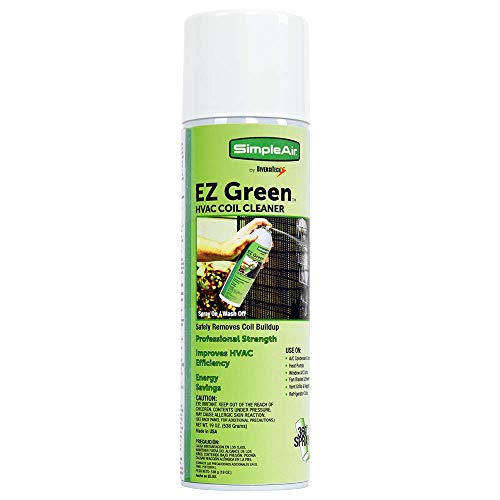
EZGA EZ Green Biodegradable HVAC Coil Cleaner Foam 19 fl. oz

Nu-Calgon 416808 Evaporator Power 1-Gallon

Quality Chemical Nu-Coil Alkaline Coil Cleaner 1 Gallon

RectorSeal Foam-A-Coil 82632 Coil Cleaner 1 Gallon

XCEL AC Coil Cleaning Brush & Fin Comb

Air Pure Shop AC Evaporator Coil Cleaner 1 Gallon
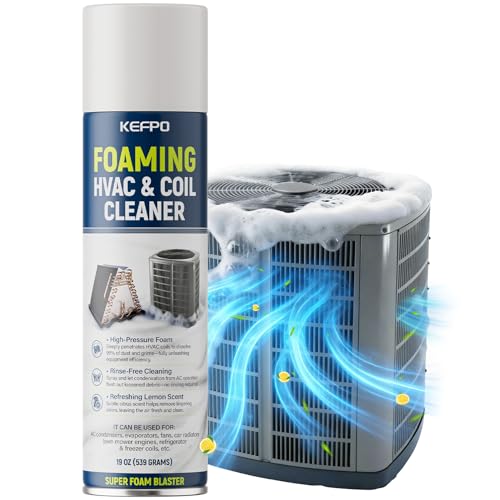
KEFPO Foaming AC Coil Cleaner 19 oz
A Deeper Look At The Lineup
Picture the moment you crack open the indoor air handler and spot a fuzzy grey mat clinging to the coil. That’s the situation the SimpleAir foam is built for, and its 360-degree nozzle means you can spray upright, sideways, or overhead without contorting your wrist in the duct cavity. The biodegradable chemistry (meaning the formula breaks down naturally rather than persisting in runoff) appeals to anyone working over a condensate pan that drains into a household line.
It’s a sensible starting point before graduating to the heavier alkaline concentrates later in this roundup. You trade raw cutting strength for convenience and a friendlier cleanup, which is the right call for routine freshening rather than rescue work on a neglected system.
Benefits That Matter
- 360-degree valve lets you reach the coil from any angle inside a tight cabinet.
- Biodegradable formula gives peace of mind when overspray lands in the condensate pan.
- Foam expands into the fins, holding the chemistry in contact longer than a thin mist.
- Deodorizing action helps knock down the musty smell that often accompanies dirty coils.
Points To Keep In Mind
- The 19 oz aerosol runs out faster than the gallon concentrates below, so cost per cleaning climbs with frequent use.
- Heavy, baked-on grease may need a second pass or a sturdier alkaline product to fully release.
Made For
Homeowners who want a quick, low-mess monthly freshening without hauling out spray bottles or mixing concentrates.
Consider Something Else When
The Nu-Calgon 416808 Evaporator Power is a stronger fit for service techs juggling many units in a single day.
Nu-Calgon is a name most service techs recognize, and the 416808 ships in the one-gallon format those techs prefer for route work. Compared with the aerosol foam in pick 1, this is a working concentrate designed to live in a pump sprayer and handle a stack of service calls. The bottle is plain and functional, and the chemistry leans alkaline, which is the classic answer to greasy evaporator buildup in a warm-air system.
For a homeowner with a single split system, the volume feels excessive, and that’s the honest read. The trade-off pays off the moment you maintain rentals, a small commercial space, or several mini-splits. You get a professional staple, and you stop juggling half-empty cans.
Well-Handled Touches
- One-gallon format lowers the per-cleaning cost for anyone servicing multiple units.
- Alkaline action targets the oily grime that foam aerosols often leave behind.
- Pairs cleanly with a standard pump sprayer for full-coverage application on larger coils.
Trade Offs
- Bulk liquid requires safe storage away from kids and pets, unlike a sealed aerosol can.
- More chemistry to handle means you’ll want gloves and ventilation during use.
Right Fit For
Technicians, property managers, and homeowners committed to annual maintenance on multiple indoor units.
Skip It When
The KEFPO Foaming AC Coil Cleaner is a friendlier pick for a single-home seasonal refresh.
When the outdoor condenser has been ignored for a couple of seasons, the fins pack with cottonwood, leaf bits, and a sticky film that a gentle foam can’t touch. The Quality Chemical Nu-Coil concentrate is positioned for that kind of rescue, and the spray-on, wait-ten-minutes, rinse-off routine is friendly enough for a careful first-timer. The non-corrosive label matters too, since condenser coils often pair copper, aluminum, and steel hardware in the same chassis.
This is the pick to reach for when pick 1 and pick 2 feel like they’re underdosing the problem. You give up the enclosed indoor-cabinet convenience in exchange for outdoor muscle.
The Good Stuff
- Alkaline formula cuts through the greasy outdoor film that milder cleaners leave behind.
- Non-corrosive on aluminum, copper, and steel, so it won’t punish mixed-metal coils.
- Concentrate stretches further than ready-to-use foams, lowering cost on bigger jobs.
Small Caveats
- The required rinse step means you’ll need a garden hose at the outdoor unit.
- Stronger chemistry means you should protect nearby plants and painted surfaces from runoff.
Whose Shelf It Belongs On
Homeowners with a neglected outdoor condenser, especially in dusty or pollen-heavy regions.
Another Choice May Suit
For an indoor air handler without outdoor rinse access, the Air Pure Shop AC Evaporator Coil Cleaner skips the rinse step entirely.
Foam-A-Coil sits in an interesting middle ground: it’s a surfactant-aided foam (surfactants are wetting agents that help the foam cling to and penetrate greasy buildup) that you apply with a sprayer, but it expands into the coil the way a self-foaming aerosol does. RectorSeal markets it for condensers, evaporators, air filters, and any metal area where acid-based cleaners would be the wrong call. The non-acid chemistry also makes it useful indoors, which broadens its role across a full system tune-up.
Think of it as a crossover product, sturdy enough for outdoor work yet gentle enough for indoor cabinets. The gallon size keeps the cost per service call reasonable.
Reasons It Performs
- Non-acid formula is safe for indoor air handlers and outdoor condensers alike.
- Surfactant-aided foam lifts grime from fins, mesh filters, and metal surfaces.
- Indoor-and-outdoor flexibility reduces the need to stock two separate cleaners.
Where It Is Less Suited
- You’ll still need a dedicated sprayer and a rinse plan, which adds setup time.
- On truly heavy grease, the foam may need a longer dwell time or a second pass.
Who Should Grab It
Homeowners and techs who want one product that handles both halves of a split system during a single service visit.
Look Elsewhere When
For a strictly no-rinse indoor experience, the Air Pure Shop AC Evaporator Coil Cleaner is the simpler path.
Sprays soften the grime, but a brush moves it. The XCEL dual-sided tool brings a stiff stainless-steel pin side for straightening bent fins and a bristle side for scrubbing matted debris out of the coil pack. It’s a no-chemical addition, which makes it useful in apartments or workspaces where overspray and fumes are a concern. The long handle reaches into deep condenser housings that a hand-sized comb simply can’t.
Pair it with any of the cleaners above and you’ll get a more thorough result than either tool alone. Used solo, it’s a maintenance brush for dust and surface lint, not a degreaser.
What Makes Sense
- Dual-sided design combines fin combing and scrubbing in one tool.
Room For Improvement
- Stiff bristles can bend soft aluminum fins if you press too hard, so a light touch matters.
- Doesn’t replace a chemical cleaner for oily buildup; it works best as a partner tool.
Best Suited To
Anyone who wants better results from their existing spray or foam by adding a physical cleaning step.
Not Your Match When
If you only want a one-step spray-and-walk-away job, the SimpleAir foam in pick 1 is a cleaner solo solution.
The no-rinse promise is the headline here, and for a homeowner cleaning above a finished ceiling, that’s a meaningful feature. You spray, let the chemistry do its work, and let any runoff carry through the condensate drain. The metal-safe corrosion inhibitors (additives that slow the natural oxidation of metal) keep aluminum fins and copper tubing protected during longer dwell times, and the formula is built to handle mini-splits, heat pumps, and central air handlers.
This is the gallon to choose if you want professional-level coverage without the chemistry degree. The trade-off is that you give up the foaming dwell time of the aerosol in pick 1, so a stubborn first cleaning may want a follow-up pass.
Standout Benefits
- No-rinse routine suits indoor air handlers without outdoor drainage.
- Metal-safe inhibitors protect aluminum, copper, and steel surfaces during extended contact.
- One gallon covers multiple cleaning sessions across a single home or small business.
- Versatile across mini-splits, central air, and heat pump systems.
Points To Weigh
- Liquid format means you’ll want a dedicated pump sprayer for even coverage.
Who Will Love This
First-time DIYers maintaining a mini-split or central system who want clear steps and a forgiving formula.
A Better Fit Elsewhere
For techs running many service calls in a day, the Nu-Calgon 416808 Evaporator Power remains the route-ready workhorse.
Mini-splits and wall cassettes have tight fin spacing that resists wide-aperture sprays, and the KEFPO foam is built to expand into those gaps. The 19 oz aerosol keeps the format simple, and the no-rinse option lets you finish a cleaning session without dragging a hose through the house. The low-odor formula is a thoughtful touch for indoor work, where a strong chemical smell can linger for hours.
Think of this as the seasonal-care cousin to the SimpleAir can in pick 1. The two read similarly on paper, so the difference comes down to which brand’s fit and foam behavior matches your unit.
A Few Strong Suits
- Expanding foam reaches deep into tight mini-split fin spacing.
- Low-odor chemistry keeps indoor cleaning sessions tolerable.
Practical Considerations
- Single 19 oz can covers one or two cleanings, so budget for repeat cans in busy homes.
Perfect Match For
Homeowners running seasonal cleaning on ductless mini-splits and other compact indoor units.
Reach For A Different Pick When
For a heavily soiled outdoor condenser, the Quality Chemical Nu-Coil concentrate offers more cutting power.
Choosing A Cleaner That Fits Your System
The first decision is location. Indoor evaporator coils need low-odor, no-rinse formulas that won’t drip onto ceilings or living space, while outdoor condensers can handle stronger alkaline chemistry and a garden-hose rinse. Foam aerosols suit small or hard-to-reach units, while gallon concentrates make more sense for anyone cleaning multiple systems or working on a single large coil surface.
Match the chemistry to the metal. Most modern coils are aluminum fins over copper tubing, and a non-acidic, non-corrosive formula is the safe default. A surfactant-aided foam gives the cleaner time to penetrate packed dust, while a pure alkaline concentrate wins on greasy buildup. Read the label for “metal-safe” wording when in doubt, and avoid acid-based coil cleaners unless a pro specifically recommends them for your equipment.
Dwell time matters as much as strength. A foam that clings for ten minutes is doing more real work than a thin mist that runs off the fins before the chemistry reacts. A brush or fin comb is the supporting player that lifts loosened grime off the coil, so consider it an add-on rather than a replacement for a chemical cleaner. For most households, one annual deep clean plus a quick foam freshening before peak summer is enough to keep efficiency steady.
Key Considerations Across These Picks
Mistakes Worth Dodging
The most common slip is grabbing a strong acid-based cleaner for a routine job and watching the aluminum fins dull or pit over time. Another trap is spraying a foaming cleaner onto a coil that’s still connected to power, which risks electrical damage and a wet mess inside the cabinet. Skip the “more is better” instinct, too: a heavy second coat of foam can drip into the condensate pan and overwhelm the drain line.
When Paying More Pays Off
The jump from a 19 oz aerosol to a one-gallon concentrate looks steep at first, but the cost per cleaning drops fast once you maintain more than one unit or do seasonal deep cleans. Larger containers also tend to ship in thicker, chemical-resistant jugs, which makes storage and pouring safer over time. For most homeowners, the upgrade is worth it once coil cleaning becomes an annual habit rather than a one-time project.
Frequently Asked Questions
How often should evaporator coils be cleaned?
A once-a-year cleaning is a sensible starting point for most homes, with a quick foam freshening added before the heavy-use summer months. Homes with pets, recent renovations, or shedding nearby trees often benefit from a second pass each year.
Is it safe to spray coil cleaner with the unit powered on?
No, always cut power at the disconnect or breaker before applying any cleaner. Wet chemistry and live electrical components are a bad combination, and most manufacturer guides specifically warn against energized cleaning.
Do I need to rinse after using a no-rinse coil cleaner?
No-rinse formulas are designed to evaporate and drain through the condensate line, but a light rinse with distilled water can help if you see leftover residue. Avoid harsh tap-water pressure that can bend the delicate aluminum fins.
Can one cleaner handle both the evaporator and the condenser?
Some products, like the RectorSeal Foam-A-Coil, are explicitly rated for both, which simplifies routine maintenance. Stronger alkaline concentrates may be too aggressive for indoor evaporator cabinets, so read the label before using outdoor cleaners inside.
Will cleaning coils lower the energy bill?
Restoring airflow through a clean coil often reduces runtime and improves cooling output, which can show up as modest energy savings over a season. The bigger gains come from preventing the compressor strain that a heavily soiled coil can cause.