

Air escaping through uninsulated ductwork is one of those quiet efficiency leaks that adds up month after month on your energy bill. Whether you’re wrapping bare metal in a basement, sealing a portable AC hose, or chasing down condensation drips, the right material turns wasted BTUs into actual comfort. This lineup covers radiant foil rolls, foam sleeves, fiberglass pipe wrap, and flexible insulated ducting, so you can match the form to the project and stop paying to condition the attic.
The Lineup, Simplified

SmartSHIELD 5mm Reflective Insulation Roll 24″x25ft

Haoall Portable AC Hose Insulation Sleeve (Black)
Frost King FV516 Duct Insulation & Tape 15 ft

Nuhago Portable AC Hose Insulation Sleeve 5-5.9″

Cuchiilo 8 Inch Insulated Flexible Duct 25 ft

Thermwell SP55 12″x15′ Fiberglass Pipe Insulation

DEMEDO Self-Adhesive Pipe Insulation Tape 2″x16.5 ft
A Breakdown Of The Leading Choices
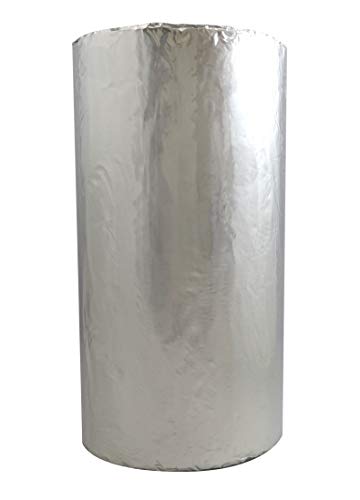
For homeowners tackling bare sheet-metal trunks in a basement or attic, the SmartSHIELD 5mm reflective roll is the most ambitious option in this roundup. It’s a 24-inch-wide, 25-foot sandwich of closed-cell polyethylene foam wrapped between two layers of pure aluminum, which is a different animal from the bubble-style foil you see at the hardware store. The R-value is rated up to 15.67 with a single layer, and the aluminum faces are designed to bounce radiant heat back toward the duct.
You cut it with a utility knife, butt it against itself, and tape the seams. It also doubles as a vapor barrier and reportedly quiets the metallic pinging you sometimes hear when air kicks on. Where the Haoall sleeve is a quick retrofit for one hose, this is a whole-system material that scales to large rectangular trunks.
Useful Highlights
- Closed-cell foam core resists moisture absorption in humid crawl spaces
- Pure aluminum facings reflect radiant heat rather than just slowing conduction
- Wide 24-inch format means fewer seams on rectangular trunk lines
- Adds a vapor barrier layer that helps prevent summer condensation drips
- Doubles as a sound deadener, which homeowners with metal ducts often notice
Honest Caveats
- Reflective performance depends on an air gap, so flat contact with metal reduces effectiveness
- Working with a 25-foot roll in a tight attic is a two-person job, in most cases
- Cutting cleanly around takeoffs and joints takes patience with a straightedge and sharp blade
Key Advantages
Who It Suits Best
DIYers wrapping accessible basement or attic ductwork who want one material that handles radiant heat, condensation, and noise together.
Skip It When
The Cuchiilo 8 Inch Insulated Flexible Duct is a smarter match for someone replacing a long flexible run rather than insulating existing rigid metalwork.
Renting a place with a single-hose portable AC, you already know the quiet frustration: the unit runs, the room warms up a few feet from the vent, and the hose itself feels like a warm pipe. The Haoall sleeve wraps that hose in an insulated cover designed to keep exhaust heat from radiating into the room while the AC pushes air out the window. It fits 5-inch and 5.9-inch diameter hoses, which covers most of the common portable units on the market.
Three adjustable straps secure it along the length, and installation is genuinely a minute-long job. Unlike the SmartSHIELD roll, this is a targeted, single-purpose product: it doesn’t help with central HVAC, but for its intended niche, it’s a low-fuss upgrade. The trade-off is that it only helps the hose, not the window seal or the intake side.
A Few Strong Suits
- Universal fit covers the two most common portable AC hose diameters
- Keeps exhaust heat from bleeding into the room near the unit
- Adjustable straps hold the sleeve in place without tape or adhesives
Small Caveats
- Only addresses the exhaust hose, not window gaps or intake heat
- Fabric covers can collect dust and may need occasional wiping down
Right Fit For
Renters and apartment dwellers running a portable AC who want a tool-free upgrade they can take to the next unit.
Consider Something Else When
The Nuhago Portable AC Hose Insulation Sleeve is a closer match for someone prioritizing aggressive heat reduction in a hot, sunny room.
The Frost King FV516 is one of those small, specific products that earns its place in a junk drawer. It is a self-adhesive foam tape, 1 1/8 inches wide by 15 feet long, that wraps around the seams and joints of rigid ductwork to seal air leaks and add a thin layer of insulation at the same time. The product essentially combines the properties of foam weatherstripping with duct-sealing tape, so you address the two main duct-efficiency issues in a single pass.
You might reach for this when the bigger SmartSHIELD roll feels like overkill for a single troublesome run, or when you just want to clean up the whistling at a couple of joints. It’s a maintenance material more than a project material, and it wears that label honestly.
Benefits That Matter
- Self-adhesive backing sticks to clean metal without extra tape
- Combines foam insulation with a sealing function in one strip
- Flexible enough to follow corners and flange joints without bunching
Trade Offs
- Only 1 1/8 inches wide, so it is built for joints, not full surface coverage
- Adhesive can struggle on dusty or greasy ductwork without a wipedown first
Best Suited To
Homeowners chasing down a handful of leaky duct joints who want a single product to seal and lightly insulate in one motion.
Not Your Match When
The Thermwell SP55 fiberglass wrap is the better answer for someone who needs serious thermal performance on long straight pipe runs.
The Nuhago sleeve takes the same basic concept as the Haoall and leans harder into the heat-reduction story. It’s also designed for 5-inch to 5.9-inch exhaust hoses, which makes it a near-direct competitor in terms of fit, but the marketing language around surface-temperature reduction after installation suggests a slightly thicker insulating layer. If you live in a climate where the portable AC runs hard from May through September, that focus on radiant heat is the feature that actually matters.
You install it the same way: slide the sleeve over the hose, fasten the three adjustable straps, and you’re done. For a small studio or bedroom where the hose sits two feet from a desk or bed, the difference in local air temperature can be noticeable. As with the Haoall, it does nothing for the window seal, so pairing it with foam weatherstrip is the usual play.
Why It Works Well
- Targets radiant heat output at the exhaust hose, the main energy loss point
- Adjustable straps allow repositioning as the hose flexes through the cycle
- Stretches to fit the full 5-to-5.9-inch portable AC hose range
Areas To Watch
- Performance claims about surface temperature depend on ambient room conditions
- Outer fabric may show wear faster in direct sunlight near a window
Who Will Love This
Anyone in a hot climate running a portable AC in a small room where hose heat noticeably raises the local temperature.
Look Elsewhere When
The Haoall Portable AC Hose Insulation Sleeve is the better fit for renters who prioritize quick install and a lighter overall cover.
Sometimes the right answer isn’t to insulate the duct you have, it’s to replace it with something better. The Cuchiilo 8-inch flexible duct is a 25-foot run of insulated ducting aimed at HVAC and exhaust work in basements, garages, and workshops. It’s built with an outer aluminum foil jacket, a layer of glass fiber insulation in the middle, and a steel-wire spiral core that holds the round shape while still letting you bend it around joists and corners.
Where the SmartSHIELD roll is the right tool for a rectangular trunk you’ve already got, this is the right tool when you’re extending a run, replacing a crushed section, or running a new line to a finished space. The R-4.2 rating puts it in solid mid-tier territory for residential flex duct.
What Makes Sense
- Replaces damaged or missing ductwork rather than just insulating what’s there
- Glass fiber core adds acoustic and thermal performance in one product
- Steel wire core keeps the round profile open even through tight bends
Some Limits To Know
- Working with fiberglass insulation requires gloves and a dust mask during install
- 8-inch diameter may not match smaller branch runs in older homes
Made For
Garage workshops, basement builds, and basement finishing projects where a new insulated run beats retrofitting an old one.
Another Choice May Suit
The SmartSHIELD 5mm Reflective Insulation Roll is a smarter pick when the existing metal duct is in good shape and you just need a wrap layer.
The Thermwell SP55 is the classic fiberglass pipe wrap that’s been on shelves for decades, and it earns a spot here because it does one thing very well. It’s a 12-inch-wide, 15-foot-long roll of fiberglass insulation (a traditional material made from fine glass fibers) that you wrap around straight pipe and duct runs, then secure with tape. There’s nothing fancy about it, and that’s part of the appeal.
For long, straight sections of cold pipe in a basement or utility room, this is still a sensible, time-tested choice. You will want gloves and a long-sleeve shirt, because fiberglass itch is a real thing during install, but the thermal performance is dependable and the price-per-foot tends to be friendly.
Positive Takeaways
- Traditional fiberglass material has decades of residential use behind it
- Wide 12-inch format covers pipe and small duct runs in a single wrap
- Cuttable to length for custom segments around valves and fittings
Practical Considerations
- Fiberglass fibers require gloves, a mask, and long sleeves during installation
- Needs a separate vapor barrier in humid spaces to prevent moisture absorption
Perfect Match For
Homeowners insulating long straight pipe runs in basements or utility rooms who want a traditional, dependable material.
A Better Fit Elsewhere
The DEMEDO Self-Adhesive Pipe Insulation Tape is a cleaner pick when you want to skip the fiberglass itch and work with a self-sticking foam.
The DEMEDO tape lands in a different category than most of this list, and that’s its strength. It’s a 2-inch-wide, 16.5-foot roll of soft rubber foam with a self-adhesive backing, designed to wrap around refrigerant line sets, small HVAC pipes, and exposed plumbing that needs a quick insulating layer. You cut it with scissors, peel the backing, and spiral-wrap it around the line.
Where the Thermwell fiberglass roll is a basement project, this is an outdoor condenser or attic line-set product. It conforms to bends and valves without much fuss, and the rubber foam handles temperature swings better than a rigid foam board would. If you’ve ever looked at the copper line set running to your outdoor AC unit and wondered whether you could squeeze a little more efficiency out of it, this is the kind of product that answers that question directly.
Useful Strengths
- Self-adhesive backing saves a step versus separate tape and wrap installs
- Soft rubber foam conforms to valves, joints, and tight bends
- Handles outdoor temperature swings on exposed line sets
Worth Bearing In Mind
- 2-inch width is suited to small lines, not main duct trunks
- Adhesive can collect dust over time, so clean the line first for a lasting bond
Who Should Grab It
Anyone insulating exposed refrigerant lines, outdoor AC line sets, or short pipe segments where a self-sticking foam beats a full roll.
Swap It Out When
The Thermwell SP55 fiberglass wrap is the smarter move for someone tackling a long straight run of larger pipe in a basement.
What Matters Most Before Choosing Ac Duct Insulations
Match The Product To The Duct Type
Rigid rectangular metal trunks in an attic call for a wrap material like the SmartSHIELD roll, because you have flat surfaces that benefit from a continuous reflective layer. Flexible round runs call for either an insulated replacement duct like the Cuchiilo or a targeted sleeve product, depending on whether the existing flex is still in good shape. Portable AC setups are their own category, and that’s where the sleeve products earn their keep.
Understand R-Value In Real Terms
R-value measures a material’s resistance to heat flow, and higher numbers mean better insulating performance for a given thickness. A reflective foil layer works differently, because its real value comes from bouncing radiant heat rather than slowing conduction, which is why the SmartSHIELD roll quotes R-values “with one layer” and “with two layers” rather than a single number. Pick the rating that matches your climate and your duct location, not just the highest number on the page.
Think About Moisture And Vapor
Uninsulated cold ducts in a humid basement will sweat, and that moisture drips onto ceiling tiles or framing over time. Any insulation you add should either include a vapor barrier (a material that blocks moisture migration) or be paired with one, especially in warm-humid climates. Closed-cell foam and foil-faced products handle this naturally, while traditional fiberglass needs a separate barrier to stay effective.
Installation Realities Matter
A 25-foot roll of radiant insulation in a tight attic is a real workout, while a self-adhesive foam tape applied at ground level takes minutes. Honest assessments of the access, the tools you have, and your tolerance for fiberglass dust will save you from buying the wrong product. The right insulation is the one you’ll actually finish installing.
Common Shopping Slip Ups In This Category
Buying The Wrong Diameter
Sleeve products and flexible duct only work if the size matches. Measure your hose or duct diameter before ordering, and remember that 5-inch and 5.9-inch are different fittings, even if both are called “standard” by different brands.
Skipping The Vapor Barrier
Insulation without a vapor barrier can trap moisture in the duct or the surrounding cavity, especially in humid climates. If the product you choose doesn’t include one, plan to add a separate barrier or pick a closed-cell option that handles moisture on its own.
Confusing Reflective With Bulk Insulation
Reflective foil products need an air gap to deliver their rated performance, so pressing them flat against metal reduces their real-world R-value. Read the install instructions on air space before assuming a higher R-value will automatically transfer to your project.
Where The Extra Money Goes On Premium Duct Insulation
Thicker Foam Cores And Pure Aluminum
A foil-faced roll with a 5mm closed-cell foam core costs more than bubble-style alternatives because the foam itself is denser and the aluminum is purer. That translates to better radiant reflection, better vapor blocking, and quieter operation, which matters most in conditioned spaces where energy bills are the real concern.
Pre-Engineered Sleeves Versus DIY Wraps
A purpose-built portable AC sleeve costs more per foot than a sheet of foam you could cut and tape yourself, but the value is in the fit, the straps, and the clean look in a living space. The premium buys you an install that takes a minute and a finished appearance, which is worth it in rooms where the hose is visible.
Insulated Replacement Ducting
A pre-insulated flexible duct like the Cuchiilo 8-inch run costs more than buying separate flex and insulation, but the labor savings and the matched components tend to justify the spend on a full replacement job, especially when you’re paying for materials and time together.
Frequently Asked Questions
Do I really need to insulate my AC ducts?
Uninsulated ducts in unconditioned spaces lose a meaningful share of their cooling or heating energy through the duct walls. Wrapping them typically pays back through lower energy bills and more consistent room temperatures, especially for ducts that run through attics, basements, or garages.
What’s the difference between R-value and reflective insulation?
R-value rates resistance to conductive heat flow, while reflective insulation rates how much radiant heat bounces back. Reflective products often quote effective R-values that depend on having an air gap, so the install method matters as much as the listed number.
Can I install duct insulation myself?
Most of the products here are designed for DIY install with basic tools, a utility knife, and foil tape. Fiberglass wrap requires more protective gear than foam or foil-faced products, so factor in gloves, a mask, and long sleeves before you start.
How do I know what diameter duct I have?
Measure the outside diameter of a round duct or the width of a rectangular trunk, and check the product listing for the matching size. For portable AC hoses, 5-inch and 5.9-inch are the two most common diameters, and most sleeve products cover that range.
Will insulating my ducts make my AC cool the room faster?
A well-insulated duct delivers more of its cooling to the room and less to the surrounding attic or basement, so the air arriving at the vent is closer to the temperature the unit is producing. The room typically reaches the setpoint faster and holds it more steadily, especially during long run cycles.