
Your air conditioner works hard all summer, and the condensate drain line takes a quiet beating. Algae, slime, and sediment build up inside that narrow PVC pipe, and the first sign is often water pooling around the indoor unit or a musty smell drifting through the vents. For homeowners, renters, and small-shop techs, a clogged AC drain line means stained ceilings, unhappy HVAC systems, and avoidable service calls. The right cleaner keeps that pipe flowing so the system can do its job without surprise leaks. This lineup covers tablets, bio-enzymatic liquids, and shop-vac attachments, so you can match the method to your comfort level, your tools, and how often you want to fiddle with the unit.
A Closer Look At The Lineup

HVAC GUYS Flow Treat Tabs – 200 Tablets

iFLO Smart AC Drain Line Cleaner Cartridge 6 Month Supply

iFLO Smart AC Drain Line Cleaner Cartridge 3 Month Supply 2 Pack
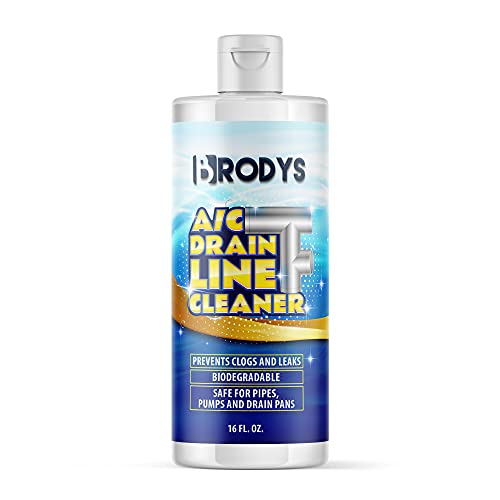
Brodys A/C HVAC AC Drain Line Cleaner 16oz 2 Month Supply

Nu-Calgon 4165-24 Drain Solve

EZVAC AC Drain Line Cleaner Shop Vac Adapter

ZNTVW A/C Drain Lines Cleaner Tool Wet Vac Attachment (Grey)
Why These Options Stand Out
Tablets are the lowest-effort entry point for AC drain care, and this bottle of 200 keeps you stocked for years. The Leak Saver brand leans on a simple drop-in design: one tablet goes into the condensate pan, and the running water does the rest, gradually treating the line as condensate flows through. For homeowners who forget to schedule maintenance, that automatic dosing is a real win.
Compared with the liquid options coming up, the tradeoff is that tablets work slowly and don’t clear an existing blockage overnight. They shine as prevention, not as a rescue tool for a system already overflowing.
Noteworthy Benefits
- Each tablet is rated to last up to four weeks, so monthly service is enough for most homes.
- The 200-count supply covers multiple seasons, which keeps annual replacement trips to a minimum.
- Drop-in dosing removes the need to measure or pour, helpful for anyone new to HVAC upkeep.
- Regular use is widely reported to reduce the musty odor that comes from a stagnant condensate pan.
Worth Noting
- Tablets do not clear a fully blocked line; you’ll need a liquid or a vacuum attachment for that job.
- They dissolve based on condensate flow, so in dry climates or low-use months you may see tablets that sit intact longer than expected.
Who It Suits Best
Owners who want a set-and-forget monthly routine and rarely crack open the air handler.
Skip It When
The Brodys liquid makes more sense for anyone already dealing with a slow drain and an active leak.
This cartridge is the refill side of the iFLO Smart Cleaning System, and a single 36-oz bottle covers roughly six months of treatment. The cleaner uses a bio-enzymatic formula designed to break down zooglea, the slimy biofilm that builds up inside AC drain pans and lines. You may find the bio-enzyme approach appealing if you’d rather avoid harsher chemical pour-ins.
For most homes, the appeal is the long interval between swaps. Where the Flow Treat Tabs above ask for a monthly check-in, this cartridge only needs attention twice a year.
What Pays Off
- Bio-enzymatic action targets organic buildup rather than just flushing it, which tends to slow regrowth.
- One 36-oz bottle runs up to six months, so you only think about the drain line twice a year.
- Liquid dosing reaches the full length of the line, unlike a tablet that sits in the pan.
- Compatible with the iFLO dispenser, which automates the dosing schedule once installed.
Trade Offs
- You need the iFLO dispenser or a similar metering device to use it cleanly; free-pouring 36 oz is messy.
- A single bottle leaves no backup, so if you forget to reorder, the line goes untreated for the gap.
Made For
Owners who already run the iFLO hardware and want a long-interval refill with minimal hands-on time.
Another Choice May Suit
The HVAC GUYS Flow Treat Tabs work better for anyone without the iFLO dispenser and a preference for true no-tool maintenance.
The 2-pack version of the iFLO cleaner trades a longer per-bottle interval for a spare. Each 36-oz bottle still runs about three months on its own, but together you get up to six months of total coverage with a backup bottle ready to swap in. For households with multiple indoor units, the second bottle pulls double duty at the second air handler.
Like the single-bottle option above, this works through a bio-enzymatic formula that targets zooglea and organic debris. The honest read is that the formula is the same; you’re paying for a second container and the convenience of redundancy.
Reasons It Performs
- Two bottles cover two air handlers for three months each, which lines up nicely with a humid season.
- Bio-enzymatic action keeps working between treatments rather than stopping the moment the liquid drains past.
- Having a spare removes the “I forgot to reorder” gap that catches single-bottle users.
Room For Improvement
- You still need the iFLO dispenser or another metering setup, so this is a refill, not a starter kit.
- Storage takes up more shelf space than the single 36-oz bottle.
Best Suited To
Rental property owners and households with two indoor units who want to standardize their maintenance.
Reach For A Different Pick When
The single-bottle iFLO makes more sense if you only have one air handler and tight storage space.
Brodys keeps things simple with a 16-oz bottle of bio-enzymatic liquid and a monthly dosing plan. The label recommends monthly treatment, which lines up with the cadence most HVAC techs already suggest. The bottle is small enough to store in a utility closet without taking over a shelf.
Unlike the iFLO cartridges that require a dispenser, this one is a manual pour. The honest read is that manual dosing takes a minute longer, but it skips the hardware commitment entirely.
Features That Help
- Bio-enzymatic formula targets organic buildup, the usual culprit behind slow drains and pan odors.
- No special dispenser required, so you can start using it the same day it arrives.
- A 16-oz bottle covers roughly two months of monthly treatments, which is a manageable restock rhythm.
Some Limits To Know
- A smaller bottle means more frequent reordering than the iFLO multi-month cartridges.
- Manual pouring requires a steady hand, since the drain line opening is often in a tight attic or closet corner.
The Right Fit
DIY homeowners who want a straightforward pour-in treatment without extra equipment.
Look Elsewhere When
The Nu-Calgon Drain Solve is a stronger match for a line that is already fully blocked.
Nu-Calgon is a familiar name in HVAC supply closets, and the 4165-24 Drain Solve leans on a one-quart bottle of non-fuming drain opener. Where the previous picks focus on prevention and gentle enzymatic breakdown, this product is the rescue option for a drain that has already stopped flowing. It pours through standing water and is built to cut through grease and organic matter in condensate lines, kitchen sinks, and lavatory drains alike.
Versus the tablet and enzymatic options, the tradeoff is harsher chemistry. The catch is the smell and the need to keep the area ventilated, which is fine in a garage or utility room but less comfortable in a finished closet.
Real Benefits
- The one-quart bottle handles multiple applications or a single severe clog, whichever you need.
- Non-fuming formula avoids the rotten-egg odor common to many drain openers, which matters indoors.
- Cuts through standing water, so you do not have to bail out the pan before pouring.
- Doubles as a kitchen and lavatory drain treatment when AC season ends.
Things To Consider
- Stronger chemistry than bio-enzymatic options, so keep the room ventilated during use.
- It is reactive, not preventive, so you will still want tablets or a gentle monthly product for the long term.
Who Should Grab It
Homeowners facing an active overflow or a drain that has already stopped and need a stronger pour-in fix.
Swap It Out When
For routine prevention, the HVAC GUYS Flow Treat Tabs are easier on the system and your hands.
This is a different kind of answer to a clogged AC drain line. Instead of pouring chemistry down the pipe, the EZVAC adapter lets you pull the clog out with a wet/dry vacuum. The clear fitting is the practical touch here, because you can watch the gunk leave the line in real time and know when you are done.
Compared with the chemical options above, the adapter approach is mechanical and reusable. You will need a shop vac and a drain opening close to the 1-inch size the included elbow is designed for.
Useful Touches
- The clear tube gives instant visual feedback so you can stop when the line runs clear.
- Reusable across many cleanings, so the per-use cost drops fast for anyone with multiple units.
- Mechanical clearing avoids pouring chemicals into a system you share with household air.
Points To Keep In Mind
- You need a wet/dry shop vac to use it, which is a separate investment for anyone without one.
- The black elbow is sized for 1-inch openings, so measure your drain access point before ordering.
Whose Shelf It Belongs On
Owners who already own a shop vac and prefer mechanical clearing over chemical dosing.
Where A Sibling Pick Shines
The ZNTVW attachment is a more budget-friendly wet-vac option if you want a simpler tool.
The ZNTVW tool is the lighter, lower-priced cousin of the EZVAC adapter above. The body is ABS plastic, which keeps weight down and avoids corrosion in a damp utility space, and the design is meant to seat onto a wet vac hose and seal against most PVC drain openings. It is a simple, no-frills tool for a job you probably only do a few times a year.
The honest read is that this attachment is built for the budget-minded DIYer who already has a wet vac and wants to skip the chemistry.
Well-Handled Touches
- ABS plastic body stays light and resists the moisture found around condensate drains.
- Broad PVC compatibility covers the most common residential drain line sizes.
- Reusable design pays for itself after a couple of cleanings versus repeated service calls.
Practical Considerations
- The opaque grey body means you cannot see what is coming out, unlike the clear EZVAC fitting.
- Seal quality depends on your specific PVC size, so a tight fit is not guaranteed on every system.
Perfect Match For
Homeowners who want an inexpensive wet-vac tool and do not need visual confirmation of the clog.
Consider Something Else When
The EZVAC adapter is a better fit if you want to watch debris leave the line as you clear it.
Choosing The Right Ac Drain Line Cleaner For Your Setup
Three big decisions shape which product makes sense for you. The first is the format, and tablets, bio-enzymatic liquids, and vacuum attachments solve different problems. Tablets are the lowest-effort preventive option for homeowners who just want a monthly habit. Bio-enzymatic liquids do similar work but reach deeper into the line and tend to slow regrowth between treatments. Vacuum attachments are the mechanical answer for a line that is already blocked, and they pull the clog out instead of dissolving it.
The second decision is whether the system is currently flowing. If your air handler is dry and the drain is clear, a tablet or an enzymatic cartridge is plenty. If water is already pooling in the pan, you need a stronger pour-in or a vacuum attachment first, and only then should you add a preventive product for the months ahead.
The third decision is equipment. The iFLO cartridges only shine if you already own the matching dispenser, and the vacuum adapters only work if you have a wet/dry shop vac. Nobody wants to buy hardware to support a $20 bottle of cleaner, so match the product to the tools you already have on hand.
Things Worth Knowing Before You Click
Common Shopping Slip Ups
The biggest mistake is buying a chemical pour-in for a line that is fully blocked and expecting it to clear overnight. Most liquid cleaners need an open path to work, so when the pipe is sealed with biofilm, you are pouring product into a sealed pan. A vacuum adapter or a manual snake-style clearing is the right first step, with a preventive product added once flow is restored.
Another trap is overlooking the dispenser requirement. The iFLO cartridges look like a great value, but they assume you already own the iFLO dispenser. Without it, you are paying for liquid in a bottle you cannot easily meter. Always check what hardware, if any, the product depends on.
When Paying More Pays Off
Spending more usually buys one of two things: longer intervals between treatments or a stronger formula for a stubborn clog. A multi-month cartridge is worth the premium for a vacation home or a rental where you cannot be there every month. A heavy-duty drain opener earns its keep when the line is already overflowing and a service call would cost more than the bottle.
For everyone else, a generic monthly tablet or a 16-oz bio-enzymatic liquid hits the sweet spot between cost and effort. You can always upgrade later if the line keeps acting up.
Frequently Asked Questions
How often should an AC drain line be cleaned?
A monthly pour-in or tablet works well for most homes, while a wet-vac clearing every six months handles the heavier buildup. Humid climates or homes near construction sites may need more frequent service.
Are bio-enzymatic drain cleaners safe for AC condensate lines?
Bio-enzymatic formulas are designed to break down organic matter like algae and biofilm without corroding PVC pipes or coils. They are a gentler alternative to harsh chemical drain openers, which is why they are popular for monthly maintenance.
Can a shop vac really clear a clogged AC drain line?
Yes, when paired with the right adapter. The vacuum pulls water and debris backward through the line, which often dislodges the clog in a single pass. The clear-fitting adapters make it easy to see when the line is running clean.
Do AC drain tablets actually prevent clogs?
Tablets help control the algae and biofilm that cause most clogs, especially when used on a steady monthly schedule. They work best as prevention rather than as a fix for a line that is already blocked.
What size drain opening do vacuum attachments fit?
Most residential AC condensate lines use 3/4-inch or 1-inch PVC. The EZVAC adapter is sized for 1-inch openings, while the ZNTVW tool covers a wider range of common PVC sizes. Always measure your drain access point before ordering.