
Your air conditioner takes a beating twelve months a year. Winter storms hurl debris at the condenser, summer sun beats down on plastic housings, and spring pollen works its way into every grille it can find. A well-chosen cover keeps that wear down without trapping the moisture that breeds rust. The picks below split between outdoor condenser protection and indoor window-unit dust shields, so the right match depends on where your system lives.
A Fast Comparison Of The Options

Aucanla Central AC Cover 28″ x 28″ Mesh

Homydom Window Air Conditioner Cover Indoor White

Luxiv Mesh Window AC Cover Outdoor

COVERTIFY Central AC Cover 36″ x 36″ Mesh

COVERTIFY Air Conditioner Cover 28″ x 28″ Mesh

COVERTIFY Central AC Cover Grey 36″ x 36″
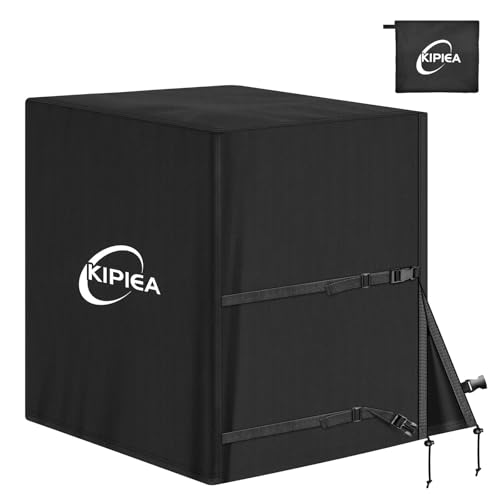
Kipiea Heavy Duty AC Cover for Winter
Inside Each Recommended Option
The Aucanla mesh cover is the straightforward, no-fuss option for a typical suburban condenser. Its 28″ x 28″ top-only design drapes over the unit and blocks leaves, twigs, and grass clippings from clogging the coil fins. Because the mesh breathes, you don’t have to worry about moisture pooling under the cover during a thaw, which is a common failure point with solid vinyl covers.
Setup takes about a minute, and the lightweight build makes seasonal swaps easy. For most homeowners with a standard square condenser, this is the kind of low-maintenance cover that quietly does its job.
The Practical Payoff
- Mesh construction allows air circulation, reducing trapped moisture and rust risk
- Top-only design simplifies installation and removal between seasons
- Effective at catching falling debris before it reaches the coil fins
- Lightweight build makes storage in a garage or shed straightforward
Worth Noting
- Mesh offers less protection from driving rain or heavy snow than solid covers
- No integrated straps, so high-wind areas may require a bungee or cord to keep it in place
- Best suited to 28″ square units; larger condensers will need the COVERTIFY 36″ options below
Key Specs
Who It Suits Best
Homeowners with a standard 28″ square outdoor condenser who want simple, breathable protection from leaves and yard debris.
Where Another Pick Suits Better
The Kipiea Heavy Duty AC Cover is a better fit for cold-climate homes where winter wind and ice demand a tougher PU-coated barrier.
The Homydom is built for the opposite scenario, covering the indoor face of a window unit during the off-season. Soft polyester fabric drapes over the front grille, blocking dust, pet hair, and household debris from settling into the coils while the unit sits idle through winter.
The 21″ x 15″ x 3.5″ footprint lines up well with most 5,000 to 7,000 BTU window ACs, and the white fabric blends with typical interior trim. For apartment dwellers who can’t mount anything outside, this is the right tool for the job.
A Favorable Mix
- Soft polyester fabric keeps the indoor unit looking clean during storage months
- Washable material makes seasonal maintenance straightforward
- Neutral white color blends with most interior walls and trim
Points To Note
- Only protects the indoor face; the outdoor side of the window unit still needs a separate cover
- Dimensions are fixed, so larger or non-standard window units may not fit
- Fabric construction will eventually show wear from repeated removal and washing
Key Specs
Made For
Apartment renters and homeowners who use a window unit seasonally and need to keep the indoor face clean during storage months.
Skip It When
The Luxiv Mesh Window AC Cover suits you better if your priority is outdoor protection and sun blocking while the unit is still installed.
The Luxiv is the rare window-unit cover you can leave on while the AC is still running, since the mesh allows air to pass through. It shields the side of the unit from direct sun, dust, and scratches, which can extend the plastic housing’s life and keep the coil cleaner through a long cooling season.
Two adjustable straps help the cover grip the unit, and the 17″ x 12″ x 13″ size matches most 3,000 to 7,000 BTU window models. Compared to the indoor Homydom above, this one is purely an outdoor solution.
Bright Spots
- Breathable mesh allows the unit to run while covered, useful for full-sun exposures
- Two adjustable straps keep the cover secured during wind and storms
- Helps reduce fading and aging of the plastic housing in direct sunlight
- Multiple size options accommodate different window AC dimensions
Honest Caveats
- Mesh design means it won’t block heavy rain or snow from reaching the unit
- Strap adjustments may require occasional re-tightening after strong winds
Best Suited To
Homeowners with window units in sunny, exposed locations who want sun and dust protection without removing the cover each season.
Look Elsewhere When
The Kipiea Heavy Duty AC Cover is a stronger match if you need full winter weather protection for an outdoor condenser rather than a window unit.
Step up to a 36″ x 36″ footprint and the COVERTIFY diamond-perforated mesh starts to make sense. The larger coverage handles bigger condensers that the Aucanla can’t, and the diamond-shaped perforations are designed to keep air moving through the unit even on hot days when the cover is left in place.
The resin mesh is flexible enough to drape without fighting you, but rigid enough to hold shape across the top. This is the go-to pick when a 28″ cover would be too small.
What Helps Most
- 36″ x 36″ dimensions fit mid-size and larger central condensers
- Diamond-perforated pattern promotes airflow to prevent heat buildup
- Resin mesh resists temperature extremes and UV degradation
Trade Offs
- Larger footprint means more material exposed to wind; securing it well matters
- Mesh still won’t shed heavy snow loads the way a solid winter cover can
Feature Snapshot
Who Will Love This
Homeowners with mid-to-large central AC systems whose condensers measure 36 inches or more across the top.
Another Choice May Suit
The COVERTIFY 28″ mesh above is a better fit if your unit is the standard 28″ square size, since the larger 36″ cover will sag awkwardly.
This second COVERTIFY entry shares the 28″ x 28″ footprint with the Aucanla but uses a slightly different breathable resin mesh and a more focused top-only design. For shoppers who want the same coverage area with a different material feel, it offers a parallel option worth comparing.
The honest read is that both covers solve the same core problem at this size, so the choice often comes down to brand familiarity and small fit differences.
Notable Gains
- 28″ x 28″ coverage fits standard square condensers
- Breathable resin mesh supports ventilation under the cover
- Material resists high temperatures without warping or stiffening
Small Caveats
- Functionally very similar to the Aucanla, so direct comparison comes down to minor material differences
- Top-only design does not cover side panels
Key Specs
Perfect Match For
Shoppers comparing 28″ mesh options who want a slight material upgrade over entry-level mesh covers.
A Better Fit Elsewhere
The Aucanla Central AC Cover above is the stronger match if you prefer the original mesh formulation at this size.
The grey COVERTIFY 36″ cover shares its core DNA with the white version above but adds four straps for a more secure hold. In yards with frequent gusts or where curious animals tend to investigate condensers, those extra anchor points make a real difference.
The diamond-perforated resin mesh is the same breathable material, so airflow stays consistent. The grey color also tends to blend with concrete pads and stone foundations better than white.
Features That Help
- Four straps provide more secure anchoring in high-wind locations
- Grey color blends with typical concrete or stone condenser pads
- 36″ x 36″ coverage handles larger central units
Points To Keep In Mind
- Mesh construction still allows moisture through, so a fully sealed winter cover may be better in snow country
- Strap hardware may need occasional checking for UV wear
Built With In Mind
Homeowners with 36″ condensers in windy, open yards who need a cover that stays put through storms.
Reach For A Different Pick When
The Kipiea Heavy Duty AC Cover makes more sense if you need a solid PU-coated barrier for harsh winter conditions.
The Kipiea is the only fully enclosed option on this list, using a PU-coated high-density fabric instead of mesh. That coating blocks driving rain, snow, and ice from reaching the unit, which matters in northern climates where winter storms can sit on a condenser for weeks.
The 30″ x 30″ x 32″ dimensions fit most standard central units, and the cover is designed to resist tearing, fading, and wind. The trade-off is reduced airflow, so the cover should come off before the cooling season starts.
Noteworthy Benefits
- PU-coated fabric repels rain, snow, and ice far better than open mesh
- Anti-UV and fade-resistant surface holds up through multiple winters
- Tear-resistant construction handles wind and falling branches
Things To Consider
- Non-breathable material means the cover should be removed before running the AC
- Bulkier than mesh covers, so off-season storage takes more space
At A Glance
Whose Shelf It Belongs On
Homeowners in cold, snowy, or stormy climates who need a winter-rated cover for a standard-sized outdoor condenser.
Not Your Match When
The Aucanla Central AC Cover is the better fit if you live in a mild climate and want a breathable cover you can leave on year-round.
What Matters Most When Shopping For Ac Cover
The first decision is indoor versus outdoor, since a cover for the front of a window AC does completely different work than one for an outdoor condenser. Once you’ve narrowed that down, measure your unit carefully. A 28″ cover on a 36″ condenser leaves the coil exposed, while a 36″ cover on a 28″ unit sags and collects water.
Material is the next fork. Mesh covers let air circulate and stay on year-round without trapping moisture, which suits mild climates and homeowners who don’t want to fuss with seasonal swaps. Solid PU-coated covers shed snow and rain but need to come off before the cooling season, since they seal in moisture and heat. The right choice depends on your winters more than anything else.
Strap count and adjustment matter more than they sound. A single bungee around a mesh cover might be fine on a sheltered patio, but an exposed side-yard unit needs four anchor points to survive a March windstorm. Look for covers that include straps rather than requiring you to source your own.
Smart Choices Across These Picks
Where Shoppers Go Wrong
The most common mistake is choosing a cover based on the unit’s brand rather than its actual top dimensions. A “fits most” claim means little if your condenser is an inch wider than expected. Always measure before you order.
Another slip is leaving a non-breathable cover on through spring and summer. The moisture it traps against the metal housing can cause corrosion that costs more to repair than the cover saved. Match the cover type to the season it was made for.
When Paying More Pays Off
The jump from a basic mesh cover to a four-strap PU-coated model shows up in two places: wind resistance and water shedding. In areas with frequent storms, that upgrade pays for itself the first time a $30 cover would have blown off and left the unit exposed. For sheltered installations in mild climates, the basic mesh does the same job at lower cost.