

Picking a new central cooling system for a 1,500 to 2,000 square foot home is one of those rare purchases you only make every 15 to 20 years, so getting the match right matters. A 3 ton capacity hits the sweet spot for moderately sized houses in most U.S. climates, and the right unit can shave meaningful dollars off summer bills while keeping bedrooms consistently cool. The wrong one, on the other hand, may short-cycle, struggle on humid days, or leave the upstairs warmer than the downstairs. This roundup walks through seven popular options so you can see how split systems, packaged units, and heat pumps actually differ on the spec sheet and in day-to-day use.
The Leading Options At A Glance
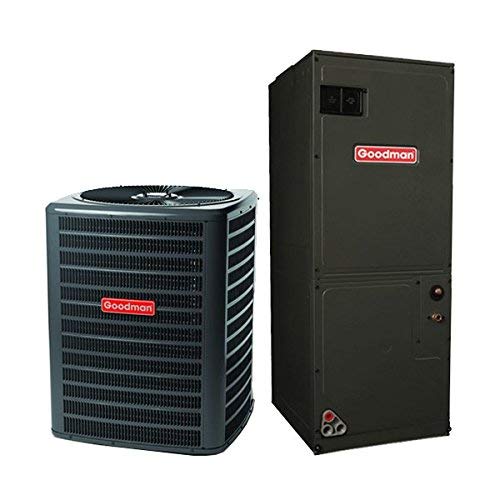
Goodman 3 Ton 14.5 SEER2 Condenser with Air Handler R32
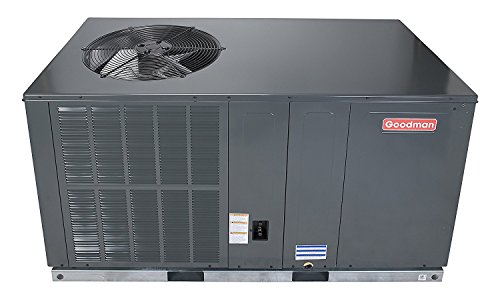
Goodman 3 Ton 13.4 SEER2 Horizontal AC Only Packaged Unit (GPCH33631)

Goodman 3 Ton 15 SEER2 R-32 Heat Pump System with Air Handler

3 Ton 13.4 SEER2 Packaged Heat Pump Unit – Oxbox by Trane

Goodman 3 Ton 14.3 SEER2 Value Series Condenser (Free Thermostat)

Goodman 3 Ton 14 SEER2 Split System with Furnace and Coil
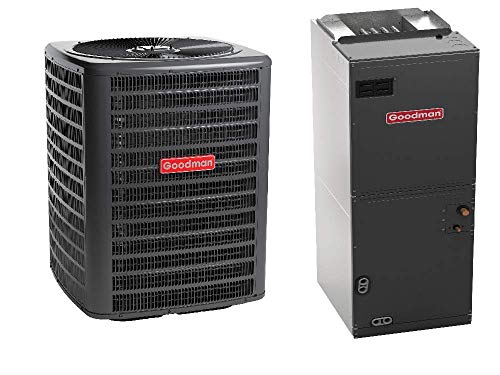
Goodman 3 Ton 14 SEER System with Multi-Position Air Handler
What Each Pick Brings To The Table
This Goodman pairing is the system that lands on the most shortlists for a reason. The outdoor condenser (a GLXS4BA3610) ships with a 14.5 SEER2 rating, and the indoor air handler is the multi-positional AMST36CU1300, which means the same cabinet can be configured for upflow, downflow, or horizontal installs. That flexibility matters in attics, crawlspaces, and basements where duct routing changes the plan on the fly.
The bundle also runs R-32 refrigerant, the newer low-global-warming-potential option that is gradually replacing R-410A. Homeowners replacing an aging system in a 1,500 to 1,800 square foot home will find the capacity comfortable in mixed climates, and the included thermostat saves a separate parts run.
The Helpful Details
- Multi-positional air handler simplifies tricky duct layouts in attics and basements
- 14.5 SEER2 efficiency offers a real bump over older 10 SEER units without the price of a 16+
- R-32 refrigerant is easier on the environment and more energy-dense than R-410A
- Includes a thermostat so the install can move forward without an extra purchase
- Pairing two matched Goodman components tends to streamline warranty registration
Trade-Offs To Consider
- Linesets, whip kits, and any LP conversion parts are sold separately, so the final install cost climbs
- Cooling-only configuration means households in cold-winter regions still need a separate heat source
Key Product Details
Whose Home It Belongs On
Homeowners in moderate climates replacing an aging split system and wanting the installation flexibility to fit a tricky attic or basement.
Where Another Pick Suits Better
Households that need built-in heating should look at the Goodman 3 Ton 15 SEER2 R-32 Heat Pump System with Air Handler instead, which bundles reversing-valve heating into the same 3-ton footprint.
Where the first pick splits cooling duties between an outdoor condenser and an indoor air handler, this Goodman GPCH33631 rolls both into a single horizontal cabinet. Packaged units like this one sit on a rooftop platform or a side-yard slab, and the horizontal airflow path is built for crawlspaces and tight attic runs. For homes without a basement and without room for an outdoor condenser pad, the all-in-one form factor removes several installation headaches.
SEER2 lands at 13.4, which trails the split-system options on efficiency, but the convenience trade-off is the whole point. AC-only design also keeps the wiring simpler than a heat-pump package, which can matter for older homes where a dedicated heat source already exists.
A Favorable Mix
- Single-cabinet design cuts install time compared to a split system
- Horizontal airflow suits crawlspace and rooftop placements where vertical is impractical
- Goodman brand is widely supported by independent HVAC contractors
Honest Caveats
- 13.4 SEER2 trails the 14.3 to 15 SEER2 split-system options in the list
- Single outdoor package means one failure point rather than two serviceable components
- Access for repairs can be trickier on a rooftop install than a ground-level condenser
Best Suited To
Homeowners with limited yard space or a crawlspace foundation who want a single-component cooling swap without rewiring for a heat pump.
Consider Something Else When
Buyers prioritizing efficiency over form factor should look at the Goodman 3 Ton 14.3 SEER2 Value Series Condenser, which pairs with an existing air handler for higher SEER2 numbers.
This pairing is the heat-pump version of the Editor’s Choice pick, and the headline difference is the 15 SEER2 rating plus reversing-valve heating. Where the first Goodman bundle only cools, the GLZS4BA3610 heat pump pulls double duty, extracting heat from outdoor air in winter and dumping it indoors. For homeowners in mild-winter regions (think the lower South, mid-Atlantic, or Pacific coast), a 3 ton heat pump can replace a traditional gas furnace entirely.
The same AMST36CU1300 multi-positional air handler ships here, so attic, basement, and closet installations all remain on the table. The system uses R-32 refrigerant as well, which keeps the long-term environmental profile in line with current code trends. Accessories like linesets and any heat-kit add-ons for the air handler are sold separately.
A Few Strong Suits
- 15 SEER2 efficiency trims cooling costs compared to 13.4 or 14.3 options
- Heat pump function covers year-round comfort without a separate furnace in mild climates
- R-32 refrigerant aligns with newer environmental standards
- Heat kits use the HKSC/HKSX series, which most Goodman installers stock
Where It May Fall Short
- Cold-climate performance depends heavily on supplemental strip heat, which raises winter electric bills
- Heat kits, linesets, and thermostats often ship separately and add to the project total
- Heat pumps generally cost more upfront than straight AC condensers of the same SEER tier
Feature Snapshot
Right Fit For
Households in regions with mild winters and warm summers who want one system to handle both heating and cooling without a gas furnace.
Look Elsewhere When
Shoppers in genuinely cold climates needing serious winter heating should consider the Goodman 3 Ton 14 SEER2 Split System with Gas Furnace, which pairs cooling with an 80k BTU gas furnace for reliable cold-weather performance.
Oxbox is the value line that sits under the Trane umbrella, so this packaged unit shares engineering DNA with Trane’s premium offerings while keeping the price closer to a mid-range Goodman. The J5PH4036A1000A is a complete heat pump package, meaning cooling, heating, the air handler, and the coil all live in one weatherproof cabinet. That single-cabinet approach is the draw for homeowners who want heat-pump performance without threading linesets through a wall.
SEER2 lands at 13.4, which is on the lower end of the list, and the unit uses R-454B refrigerant, a newer low-GWP blend that many manufacturers are transitioning toward. The result is a package aimed at homeowners who value Trane-adjacent build quality and an all-in-one form factor over peak efficiency numbers.
Points In Its Favor
- Trane-engineered components in a value-tier package
- Single-cabinet heat pump design cuts install complexity in tight footprints
- R-454B refrigerant meets the latest low-GWP regulatory direction
Potential Compromises
- 13.4 SEER2 trails split-system options from the same capacity range
- Packaged heat pump performance in deep cold still relies on strip heat backup
- Replacement parts may route through Trane’s dealer network, which varies by region
Made For
Homeowners who want Trane-aligned engineering in a single-cabinet heat pump and are comfortable with mid-tier SEER2 numbers.
Swap It Out When
Buyers chasing the highest available efficiency should look at the Goodman 3 Ton 15 SEER2 R-32 Heat Pump System with Air Handler, which posts a stronger SEER2 figure in a split-system layout.
Pick 5 is the condenser-only route. The GLXS4BA3610 is a 14.3 SEER2 unit designed to pair with an existing indoor air handler, so you skip the cost of buying a new indoor coil if your current one is still in good shape. This is the play for a homeowner whose air handler has years of life left but whose outdoor condenser has finally called it quits.
Goodman backs the unit with a 10-year parts limited warranty, provided a qualified installer does the work and the registration lands within 60 days of install. Linesets, whip kits, and any LP conversion pieces still need to be sourced separately, so the final tally depends heavily on what is already in place.
A Strong Showing
- Condenser-only purchase skips the cost of a new indoor air handler
- 14.3 SEER2 efficiency beats older 10 to 12 SEER replacements comfortably
- Free thermostat in the bundle cuts a small but real piece of the install cost
- 10-year parts warranty offers long-term peace of mind when registered properly
Things To Weigh
- Cooling-only design means no heating function, so a separate heat source stays in play
- Existing air handler must be compatible, otherwise the efficiency gains get left on the table
- Accessories like linesets and whips are still sold separately
Quick Facts
Perfect Match For
Homeowners with a working indoor air handler who need to swap out only the aging outdoor condenser and want a mid-tier efficiency upgrade.
A Better Fit Elsewhere
Shoppers replacing the entire system, indoor and outdoor, should look at the Goodman 3 Ton 14.5 SEER2 Condenser with Air Handler, which ships both components together.
Pick 6 is the full bundle for cold-winter homes. The GLXS3BN3610 condenser, CAPTA3626B3 upflow coil, and GR9S800803BN gas furnace arrive together, so there is no compatibility guesswork. The furnace is a single-stage 80 percent AFUE unit with 80,000 BTU output, which is plenty of heat for a 1,800 to 2,200 square foot home in regions where winter lows dip well below freezing.
This kit also ships with basic install accessories, which trims the parts list compared to a bare condenser. You may find, depending on your home’s existing ductwork, that the install moves faster because so much of the system arrives pre-matched.
A Few Highlights
- Complete three-component system removes the parts-matching homework
- 80k BTU single-stage gas furnace handles cold-winter climates comfortably
- Includes install accessories that some competing bundles leave out
- Upflow coil suits standard basement or closet furnace configurations
Some Limits To Know
- 80 percent AFUE furnace is less efficient than 95 percent modulating units on the market
- Single-stage operation means less precise temperature control versus two-stage alternatives
Who Should Grab It
Families in cold-winter regions who want a matched Goodman split system with both cooling and gas heating in a single purchase.
Another Choice May Suit
Homeowners in mild climates who do not need a gas furnace should consider the Goodman 3 Ton 15 SEER2 R-32 Heat Pump System, which covers heating and cooling without burning gas.
Pick 7 is the simplest Goodman option in the lineup: a 3 ton, 14 SEER split system with a multi-position air handler, designed for straightforward cooling-only installs. The cabinet includes a coil mounting track for quick repositioning and a rigid SmartFrame inner shell, which helps the unit hold its shape during transport and install. The air handler’s multi-position design covers upflow, downflow, and horizontal orientations.
This particular system uses R-410A refrigerant rather than the newer R-32, which matters if you are matching an existing indoor coil or lineset. The 10-year parts limited warranty applies, provided installation is done by a qualified contractor and registration happens within the standard window.
Benefits That Matter
- Single-speed condenser fan motor keeps the system simple and easier to service
- Multi-position air handler adapts to attic, basement, or closet installations
- R-410A compatibility lines up with many existing coils and linesets already on site
- 10-year parts warranty offers long coverage when properly registered
Less-Strong Areas
- R-410A is being phased out in favor of R-32 and R-454B, so long-term refrigerant availability may shift
- 14 SEER is the older rating scale, with newer equivalents expressed in SEER2
Core Details
Right Fit For
Homeowners doing a like-for-like replacement in a light-climate region who want a straightforward Goodman split system without bells and whistles.
Reach For A Different Pick When
Shoppers wanting the newer R-32 refrigerant and a slightly higher efficiency should look at the Goodman 3 Ton 14.5 SEER2 Condenser with Air Handler, which uses R-32 in a comparable split-system layout.
Picking The Right Size And Layout For Your Home
Tonnage is the headline number, but it is only one piece of the puzzle. SEER2 (Seasonal Energy Efficiency Ratio 2) is the updated efficiency metric that replaced the older SEER scale in 2023, and higher numbers mean lower operating costs over the system’s life. A 3 ton unit fits roughly 1,500 to 2,000 square feet in most climates, though sun exposure, insulation quality, and ceiling height all push that range in either direction.
Layout matters just as much. Split systems (a separate outdoor condenser and indoor air handler) tend to be more efficient and easier to service, while packaged units roll everything into one cabinet for tight footprints. Heat pumps add a reversing valve that flips the cooling cycle into heating mode, which works beautifully in mild winters but leans on electric strip heat in deep cold. For a deeper dive on SEER2 versus SEER and what the new rating means for your bills, the U.S. Department of Energy’s central AC guide covers the basics in plain language.
Match Tonnage To A Load Calculation
Guessing by square footage alone is the fastest way to end up with short-cycling equipment or a system that runs nonstop. A proper Manual J load calculation factors in window area, insulation R-values, duct leakage, and even local humidity, which is why most HVAC contractors will run one before quoting a replacement.
Compare SEER2, Not Just Sticker Price
The 14.5 SEER2 Goodman split systems cost less up front than the 15 SEER2 heat pump, but a few percentage points of efficiency can add up to real dollars over 15 years of summer cooling. Run the math against your local electricity rate before deciding.
Think About Refrigerant Transition
R-32 and R-454B are the new low-global-warming-potential options that manufacturers are transitioning toward, and several picks on this list already use them. If your existing coil and lineset are R-410A, mixing refrigerants is not a safe option, which often tips a borderline replacement into a full system swap.
Plan For The Install, Not Just The Unit
Linesets, whip kits, condensate routing, electrical whip sizing, and pad placement are all separate purchases and labor blocks. A condenser-only bundle may look lighter on the invoice, but the total project cost can match a packaged unit once the install work is added up.
Key Considerations Across These Picks
Mistakes Worth Dodging
The most common misstep is buying a 3 ton unit for a home that actually needs 2.5 or 4 tons based on a real load calculation. Oversized systems short-cycle, which means they cool the air quickly but never run long enough to pull humidity out, leaving you with a clammy house. The other big trap is treating the outdoor condenser as a standalone purchase and ignoring whether the indoor air handler and coil can actually keep up, which forces the new compressor to work harder and shortens its life.
What The Higher Tier Buys
Moving from a 13.4 SEER2 packaged unit to a 15 SEER2 heat pump or a 14.5 SEER2 split system usually means lower summer electric bills, a longer parts warranty window, and newer refrigerant. The trade-off shows up at the register: a higher SEER2 number and a heat pump function both add to the upfront cost. The honest read is that the upgrade pays off fastest in hot-summer, high-electricity regions, while a milder climate may not justify the premium for years.
Frequently Asked Questions
How Many Square Feet Will A 3 Ton Hvac Unit Cool?
A 3 ton system typically cools 1,500 to 2,000 square feet in a moderately insulated home, though sun exposure, ceiling height, and window count can push that range higher or lower.
What Is The Difference Between SEER And SEER2?
SEER2 is the updated efficiency test procedure that took effect in 2023, and the numbers run roughly 5 to 10 percent lower than the older SEER scale for the same equipment. A 15 SEER2 unit performs similarly to a 16 to 17 SEER unit under the old test.
Do I Need A Heat Pump Or Just An Air Conditioner?
Heat pumps make sense in regions with mild winters (rarely below freezing for long stretches) where the reversing-valve heating cycle can carry the home through the cold months. In genuinely cold climates, a separate gas furnace paired with an AC condenser often costs less to run in winter.
How Long Does A 3 Ton Hvac System Last?
Most central AC and heat pump systems last 15 to 20 years with regular filter changes and an annual tune-up, while a gas furnace can push past 20 years with consistent maintenance.
Can I Replace Just The Outdoor Condenser?
Yes, and pick 5 in this roundup is built for exactly that scenario. The catch is that the existing indoor coil and air handler must be compatible with the new condenser, and mixing very old indoor components with new outdoor equipment can leave efficiency gains on the table.