

Sizing an air conditioner for a real home, not a catalog diagram, is where most projects go sideways. The right unit ties three numbers together: square footage, ceiling height, and how much sun the room actually gets through the day. The seven options below cover a wide spread, from single-room ductless mini splits to whole-house central systems, so you can match capacity to your layout without overspending on horsepower you won’t use.
An Overview Of The Picks

COSTWAY 12,000 BTU Mini Split Air Conditioner with Heat Pump

Mountman 12000 BTU Mini Split AC/Heating System
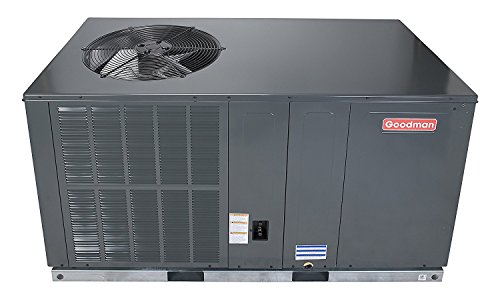
Goodman 3 Ton 13.4 SEER2 Horizontal AC Only Packaged Unit

Senville Central Air Conditioning System, Heat Pump, 5 Ton

Senville Central Air Conditioning System, Heat Pump, 3 Ton
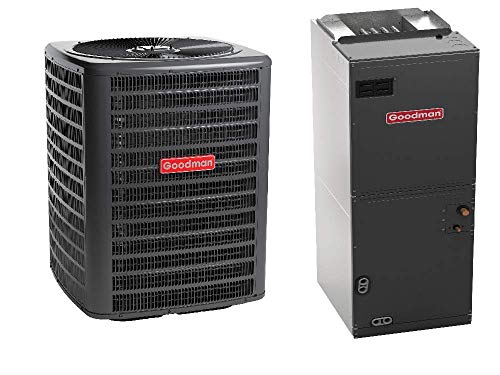
Goodman 5 Ton 14.5 SEER2 R-32 Heat Pump System
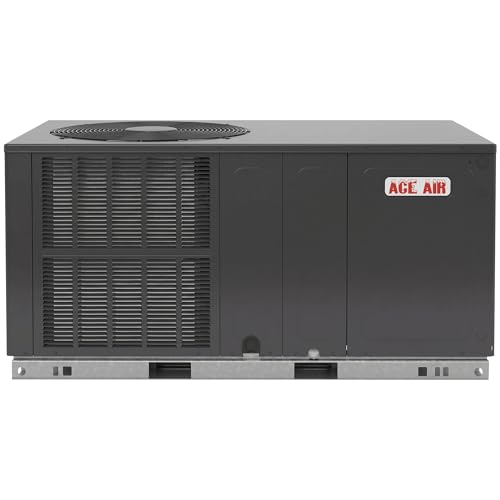
ACE AIR 13.4 SEER2 AC Package Unit, R-32, 3 Ton
Taking A Closer Look At The Options
The COSTWAY 12,000 BTU mini split lands at the sweet spot for anyone cooling a single large room, an addition, or a garage workshop. It pulls double duty as a heat pump, so the same wall unit handles your shoulder seasons without dragging a space heater into the room. The inverter-driven compressor ramps up and down gently, which means quieter operation than the older on/off style boxes most people grew up with.
Where it pulls ahead of many ductless picks in this range is efficiency. The 21 SEER2 rating puts it well into the territory where monthly operating costs start to feel reasonable rather than punishing. Coverage is rated for rooms up to 750 square feet, which fits most open-plan living areas and primary bedrooms with room to spare. A 24-hour timer, auto-clean mode, and a remote round out the everyday controls.
Practical Advantages
- Year-round use with cooling, heating, dehumidification, and fan modes in one wall unit.
- High 21 SEER2 efficiency keeps long-term operating costs lower than budget-rated ductless units.
- Rated for rooms up to 750 square feet, generous for the 12,000 BTU class.
- Inverter compressor adjusts output gradually, reducing the start-stop noise common in older ACs.
- Auto-clean function helps keep the indoor coil free of mildew between deep cleanings.
Trade Offs
- Runs on 208-230V power, so older homes without that circuit may need an electrician before installation.
- Wall-mounted design requires drilling a line-set hole, which renters should clear with a landlord first.
Who It Suits Best
Homeowners and committed DIYers outfitting a large bedroom, bonus room, or converted space with a ductless unit that also heats through mild winters.
Skip It When
The Mountman 12000 BTU Mini Split AC/Heating System is the better call for spaces wired with only a standard 120V outlet.
The Mountman 12000 BTU stands out for a simple reason that often gets overlooked: it runs on a standard 110-120V household circuit. Most ductless mini splits in this capacity class demand 208-230V, which forces an electrical upgrade before you can even mount the bracket. For older homes, detached studios, and rental properties, that single spec is often the difference between a weekend project and a multi-day construction job.
Beyond the plug-and-play wiring, the unit carries a 19 SEER2 rating, four operating modes (cool, heat, dry, fan), and four fan speeds including an auto setting. A sleep mode drops noise to roughly 26 dB, and an ECO mode trims energy draw during long stretches. The included installation kit covers line set, communication wire, and the pre-charged condenser, so most of the heavy hardware arrives in one shipment.
Real-World Strengths
- 110-120V compatibility removes the electrical-panel upgrade that complicates most mini-split installs.
- Pre-charged condenser means no refrigerant handling for installers comfortable with line-set work.
- 26 dB sleep mode is genuinely bedroom-friendly on warm nights.
- Four fan speeds and an auto setting give finer airflow control than typical two-speed units.
Worth Noting
- 19 SEER2 is solid but trails the COSTWAY 12,000 BTU Mini Split Air Conditioner in raw efficiency.
- Annual filter rinsing is still required, and the washable mesh tends to collect dust faster in pet-heavy homes.
Made For
Older homes, accessory dwelling units, and any room wired only for standard 120V outlets where pulling a new 230V circuit would be impractical.
Consider Something Else When
The COSTWAY 12,000 BTU Mini Split Air Conditioner fits homes already wired for 230V and prioritizes higher long-term efficiency.
The Goodman 3 Ton 13.4 SEER2 horizontal package unit is a workhorse. It bundles the compressor, coil, and blower into a single cabinet that mounts on a roof curb or concrete pad outside, with a short duct run into the living space. For homeowners replacing an aging package unit with the same footprint, the swap is usually a one-day job rather than a renovation.
This model is cooling only, which is the right fit in regions where winter heating comes from a separate furnace or boiler. The 13.4 SEER2 efficiency is on the conservative side compared to the split-system heat pumps in this list, but Goodman has built a reputation for serviceability. Components are accessible, parts are widely stocked, and HVAC contractors across the country know the brand inside and out.
What Helps Most
- All-in-one cabinet simplifies replacement when an older package unit fails.
- Goodman parts and service support are widely available through regional HVAC contractors.
- Horizontal configuration suits attic or crawlspace installations where vertical airflow is tight.
Room For Improvement
- Cooling-only design means it pairs with a separate heat source in winter, adding to overall project scope.
- 13.4 SEER2 efficiency is modest compared to the Goodman 5 Ton 14.5 SEER2 R-32 Heat Pump System for whole-home coverage.
- Annual coil cleaning and condensate flushing are commonly needed in dusty environments.
Right Fit For
Homeowners in mild-winter regions replacing an existing package unit on the same slab or roof curb.
Another Choice May Suit
The Senville Central Air Conditioning System, Heat Pump, 3 Ton adds integrated heating for climates with cooler shoulder seasons.
The Senville 5 Ton central system is the right size for larger homes where a 3-ton unit would run flat-out on hot afternoons. Output lands at 55,000 BTU across the air handler and condenser, with a variable-speed compressor that ramps output up and down rather than slamming on and off. A 10 kW auxiliary heat strip carries the home through the cold snaps when the heat pump’s capacity starts to fall off.
The variable-speed inverter technology is the detail worth lingering on. Instead of cycling hard at full power, the compressor adjusts to the actual load, which keeps indoor temperature more stable and usually trims electricity use compared to a single-stage system. The package arrives with the air handler and condenser matched, which removes one of the usual compatibility questions during installation.
The Case For It
- 55,000 BTU capacity handles larger single-family homes without short-cycling.
- Variable-speed inverter compressor tracks real load, holding temperatures steadier than single-stage units.
- 10 kW auxiliary heat keeps the home warm when outdoor temperatures drop below heat pump comfort range.
- Matched air handler and condenser pair removes the spec-matching guesswork during installation.
Honest Caveats
- 5-ton output is overkill for smaller homes under roughly 1,500 square feet, and short-cycling hurts efficiency.
- 208/230V power requirement and a dedicated disconnect add to installation scope and cost.
Feature Snapshot
Best Suited To
Homeowners with larger floor plans, multi-story layouts, or homes in hot climates where a 3-ton system would struggle to keep up.
Look Elsewhere When
The Senville Central Air Conditioning System, Heat Pump, 3 Ton fits mid-size homes where 5 tons would short-cycle.
The Senville 3 Ton central system hits a comfortable middle ground for the average mid-size home. The 36,000 BTU output is the most common whole-house size in the U.S., which means HVAC contractors have fitted and serviced this capacity class thousands of times. You are not asking anyone to learn a new system.
Where this unit separates from the smaller-tonnage picks in this list is the 20 kW auxiliary heat strip. That is a serious heat backup, and it matters in regions where winter temperatures dip low enough that the heat pump alone cannot keep up. The variable-speed inverter compressor carries over from the larger Senville unit, and so does the matched air handler and condenser pairing. Installation follows the standard 208/230V split-system pattern, with a dedicated disconnect on the exterior wall.
Positive Takeaways
- 36,000 BTU output is the most common whole-home size, making contractor install straightforward.
- 20 kW auxiliary heat handles cold climates where heat pump output drops significantly.
- Variable-speed compressor keeps temperature steady and noise low during long run cycles.
- Pre-matched components remove spec-compatibility guesswork for homeowners managing the install.
Softer Spots
- Capacity may still fall short in homes with unusually high ceilings, large west-facing glass, or poor insulation.
- 20 kW aux heat draws substantial amperage during deep cold, so the electrical panel must be sized accordingly.
Key Specs
Who Should Grab It
Mid-size single-family homes in four-season climates where both summer cooling and reliable winter backup heat are non-negotiable.
Reach For A Different Pick When
The Senville Central Air Conditioning System, Heat Pump, 5 Ton handles larger homes where 3 tons would run constantly.
The Goodman 5 Ton 14.5 SEER2 system pairs a GLZS4BA6010 condenser with an AMST60DU1300 multi-position air handler, giving installers flexibility in how they route the ductwork and place the indoor coil. The R-32 refrigerant is the new industry standard, with a lower global warming potential than the older R-410A and slightly better thermodynamic performance in the same hardware envelope.
This is the kind of system that makes sense for whole-home retrofits and new construction where the ductwork is being designed around the equipment rather than the other way around. The multi-position air handler can be configured for upflow, downflow, or horizontal runs, which simplifies attic, basement, and closet installations. Goodman also keeps parts availability strong, so long-term serviceability is rarely a worry.
Why It Works Well
- R-32 refrigerant offers better thermodynamic performance and a lower environmental footprint than R-410A.
- Multi-position air handler supports upflow, downflow, and horizontal configurations for flexible installs.
- 5-ton output suits larger homes, especially in regions with high cooling loads.
- Goodman parts and service network keeps long-term maintenance straightforward.
Points To Keep In Mind
- Split-system installation requires coordination of line set, electrical, and refrigerant charging by a licensed contractor.
- Larger equipment footprint demands adequate space at the condenser pad or roof mount.
Built With In Mind
Homeowners planning a full HVAC replacement or building a new home who want a higher-efficiency R-32 system with flexible indoor placement.
Where A Sibling Pick Shines
The Senville Central Air Conditioning System, Heat Pump, 5 Ton is a simpler all-in-one alternative if a packaged system fits the install site better.
The ACE AIR 13.4 SEER2 horizontal package unit keeps things simple for spaces where a full split system would be overkill. The all-in-one cabinet mounts through a wall or roof curb with a single duct connection, which is a clean fit for detached garages, attic conversions, and workshops where the existing ductwork is short. A scroll compressor and multi-speed ECM indoor blower handle the daily cycling without much fuss.
The R-32 refrigerant matches the newer Goodman 5 Ton system above, which is a small but real forward-looking choice. You get a slightly better refrigerant efficiency curve without stepping into premium-tier pricing. For homeowners cooling a single auxiliary space rather than the whole house, the trade-off between efficiency and installed simplicity usually lands in favor of simplicity.
The Good Stuff
- Horizontal package design suits garage, attic, and workshop installs where duct runs are short.
- R-32 refrigerant aligns with current environmental standards and runs efficiently in this capacity class.
- Multi-speed ECM blower balances airflow and sound for the space it serves.
Some Limits To Know
- 13.4 SEER2 efficiency trails the Goodman 5 Ton 14.5 SEER2 R-32 Heat Pump System in long-term operating cost.
- Cooling-only configuration means a separate heat source is needed for winter comfort in the same space.
- Annual coil rinsing is widely reported as necessary, especially in dusty workshop or garage environments.
Whose Shelf It Belongs On
Homeowners finishing a garage, attic, or workshop into usable conditioned space without extending the central HVAC system.
Swap It Out When
The Goodman 3 Ton 13.4 SEER2 Horizontal AC Only Packaged Unit is the closer match if you want a more established service network and broad contractor familiarity.
Matching Tonnage To Your Home Before You Buy
A ton of air conditioning equals 12,000 BTU of heat removal per hour, and that number is the first spec to lock down. A 3-ton system at 36,000 BTU typically serves homes from roughly 1,500 to 2,000 square feet, while a 5-ton system at 60,000 BTU extends into larger two-story layouts. Oversizing the unit is one of the most common mistakes, because a too-powerful system short-cycles, fails to dehumidify properly, and wears out the compressor faster.
SEER2 ratings measure seasonal energy efficiency, where higher numbers mean lower operating cost for the same cooling output. Anything above 14 SEER2 is solid for central systems, while ductless mini splits in the 19-21 SEER2 range can significantly trim summer electric bills. Efficiency is worth weighing against upfront cost, especially in regions with long cooling seasons where the unit runs for six months or more.
Voltage requirements are a quieter decision but a critical one. Standard ductless mini splits often run on 208-230V circuits, while the Mountman 12000 BTU Mini Split AC/Heating System runs on a familiar 110-120V outlet. Central systems virtually always need 208/230V service, so an electrical panel evaluation should happen before the equipment is ordered, not after.
Finally, decide on cooling-only versus heat pump. A heat pump adds winter heating capability through the same indoor and outdoor equipment, which simplifies year-round comfort in moderate climates. In very cold regions, a cooling-only system paired with an existing furnace or boiler can be the more reliable long-term pairing.
Key Considerations Across These Picks
Pitfalls Shoppers Hit
The single biggest misstep is buying by tonnage without checking the home’s actual load. Square footage, ceiling height, window orientation, and insulation quality all shift the required capacity, and a one-size-fits-all rule leaves many homes either overcooled or under-served. Running a Manual J load calculation, or having a contractor run one, takes the guesswork out of the sizing decision.
The second trap is ignoring the electrical panel. Whole-home 3-ton and 5-ton systems draw substantial amperage on dedicated circuits, and a panel that is already near capacity will need an upgrade before the new condenser goes in. A quick panel inspection during the planning stage can save the project from a costly mid-install surprise.
Where The Extra Money Goes
Higher SEER2 ratings come from variable-speed inverter compressors, better coil designs, and more sophisticated control boards. Those components cost more up front, but in regions with long cooling seasons, the electricity savings often pay back the difference within a few years. Quieter operation is the underrated benefit, since a variable-speed compressor does not slam on and off at full tilt.
Premium build quality also shows up in cabinet construction, refrigerant compatibility (R-32 versus the older R-410A), and warranty coverage. The Goodman 5 Ton 14.5 SEER2 R-32 Heat Pump System is a good example of where the upgrade lands: better refrigerant, more flexible installation, and a brand with a wide service network for long-term maintenance.
Frequently Asked Questions
What size home does a 3-ton AC cover?
A 3-ton system typically cools 1,500 to 2,000 square feet under standard conditions, though high ceilings, heavy glass, and poor insulation can push that range downward. A proper load calculation is always more accurate than a square-footage rule of thumb.
Is a 5-ton AC too much for a small house?
In most cases, yes. Oversizing causes short-cycling, where the unit runs briefly, stops, then starts again, which drives up wear and leaves indoor humidity high. Smaller homes usually pair better with 2- to 3-ton equipment.
Can a heat pump replace a furnace in cold climates?
Heat pumps work well in moderate cold, but in regions with extended sub-freezing temperatures, the auxiliary heat strip or a separate furnace is needed as a backup. Many homeowners run a heat pump as the primary system with electric or gas heat as the supplement.
What is the difference between SEER and SEER2?
SEER2 is the updated testing standard that reflects real-world duct losses and static pressure more accurately. Ratings are lower under SEER2 than under the older SEER test, so always compare units on the same scale.
Do mini splits require professional installation?
Most jurisdictions require a licensed HVAC contractor for the refrigerant work, and many manufacturers void the warranty if a non-certified installer performs the line-set connection. Electrical and mounting can sometimes be handled by experienced DIYers with the proper tools and permits.