

Choosing the right 14 Seer Air Conditioners for your home comes down to more than just the cooling rating. A 14 SEER unit delivers a balanced mix of energy efficiency and steady performance, and the right model depends on room size, window versus portable preference, and whether you want heat and dehumidification built in. The picks below span window units and portable floor models, each suited to different room sizes and household routines. You’ll find options for medium bedrooms, open living areas, and multi-purpose spaces, along with honest notes on noise, installation, and what each trade-off actually feels like day to day.
A Snapshot Of The Selections

Whynter ARC-1230WN 14000 BTU Smart Wi-Fi Inverter Portable AC

ZAFRO Smart Inverter 14000 BTU Dual Hose Portable AC

Feelfunn 14000 BTU 3-in-1 Portable AC with App

LG 8000 BTU Window Air Conditioner with Remote

BLACK+DECKER BD145WT6 14300 BTU Window AC

Midea 12000 BTU Window AC with Heat and Inverter
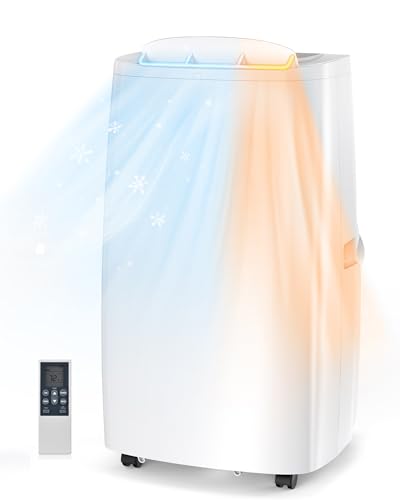
Air Choice 14000 BTU 5-in-1 Portable AC
Inside Each Recommended Option
Portable air conditioners tend to fight a quiet battle against window units, but the Whynter ARC-1230WN closes that gap with real inverter compression (a variable-speed compressor that ramps up and down rather than cycling hard on and off). For households renting or simply unable to install a window sleeve, this floor unit covers rooms up to roughly 600 square feet, which suits most open-plan living areas and oversized primary bedrooms.
The built-in dehumidifier with auto drain is the kind of detail owners tend to appreciate about three humid summers in, when hauling a tank to the sink gets old. Wi-Fi control rounds out a thoughtful feature set, and the whole package arrives on wheels for room-to-room repositioning.
A Favorable Mix
- Inverter compressor helps hold the set temperature more steadily than fixed-speed portable ACs.
- Auto-drain dehumidifier removes the most tedious part of portable AC ownership.
- 600-square-foot coverage handles living rooms and large primary bedrooms comfortably.
- Wi-Fi control means you can pre-cool a room before walking in the door.
- Built-in wheels and side handles make repositioning a one-person job.
Worth Noting
- Larger footprint than typical window units, so plan a corner for storage in the off-season.
- Exhaust hose routing through a window or sliding door still requires the included kit and a few minutes of setup.
Key Specs
Right Fit For
Renters and homeowners without a suitable window who want a feature-rich portable that covers a large room with minimal babysitting.
Look Elsewhere When
A small-to-medium bedroom would be better served by the LG 8000 BTU window unit, which costs less and installs more permanently.
Single-hose portable air conditioners are a common compromise, and most owners eventually learn the trade-off: they pull warm air from the room to cool the condenser, which leaves the space slightly under-pressurized. The ZAFRO Smart Inverter 14000 BTU sidesteps that with a dual-hose layout, where one hose pulls in outside air for the condenser and the other exhausts heated air back out. The result is a more efficient cycle and noticeably stronger cooling on hot afternoons.
For light sleepers, the real headline is the 42 dB operation claim, which would land in the same quiet range as a steady library hum. You also get a drainage-free setup in many conditions, which removes another chore from the ownership list.
The Helpful Details
- Dual-hose design keeps cooling efficient without fighting room pressure.
- 42 dB low-noise operation suits bedrooms and study nooks.
- Drainage-free cooling in most climates, with self-evaporating condensate handling.
- Smart app and remote control cover both bedside and away-from-home use.
Trade Offs
- Dual-hose window kits are a bit bulkier to seal, and you may need to trim the included plate to fit a slider or casement window.
- Plastic chassis is light, which helps portability but feels less substantial than metal-bodied alternatives.
Feature Snapshot
Best Suited To
Light sleepers and home office workers running a portable AC near their desk or bed who want low noise and minimal tank-draining.
Not Your Match When
You want a single-room heater-cooler combo, in which case the Air Choice 5-in-1 portable would be a closer match.
Coverage claims on portable air conditioners tend to be optimistic, but the Feelfunn 14,000 BTU portable AC’s 750-square-foot rating is a useful ceiling number. It indicates the unit can handle larger bedrooms, dorm suites, or small studio apartments without overworking the compressor, especially with the included window kit sealing the exhaust path properly.
Compared with the Whynter ARC-1230WN reviewed above, the Feelfunn leans harder into app-first control. Touch panel, dedicated phone app, and a remote give you three ways to nudge the temperature, which matters if your phone is in another room or the unit is across a studio layout.
Strong Points
- 750 sq. ft. coverage stretches further than most 14000 BTU portables in this tier.
- App, touch panel, and remote all included, so no missing controller.
- Three-in-one design covers cool, dehumidify, and fan duties in a single box.
- Window kit included, which keeps the first-day setup cost contained.
Small Caveats
- Real-world cooling in a fully sun-drenched room may run warmer than the spec suggests, a common portable AC trade-off.
- Some smart features depend on stable home Wi-Fi, so plan your network placement before relying on the app.
Feature Snapshot
Made For
Dorm residents, studio dwellers, and tech-forward households who want phone-first control without committing to a window install.
A Better Fit Elsewhere
If your priority is barely-audible cooling for a primary bedroom, the ZAFRO dual-hose portable runs quieter and may suit you better.
Stepping away from the portable category, the LG 8,000 BTU window air conditioner anchors the medium-room side of the list. A 350-square-foot rating lines up with a 14-by-25-foot room, which covers most standard primary bedrooms, home offices, and small dens. The LG name also brings a familiar installation pattern, and most owners can mount it with basic tools in under an hour.
Three cooling speeds and three fan speeds give you real flexibility when the weather shifts, and the auto-restart feature is the kind of quietly useful detail that matters after a power blip on a hot afternoon. For anyone who has used a clunky dial-based window unit in the past, the electronic controls here feel like a small upgrade.
The Upside
- Electronic controls and included remote feel more modern than older dial-style units.
- Auto-restart resumes your settings after an outage, no manual reset needed.
- Three cooling and three fan speeds cover both gentle background cooling and aggressive heat-fighting days.
Things To Consider
- 8000 BTU is a step down from the 14000 BTU portables above, so it suits smaller rooms, not large open areas.
- Window install is permanent for the season, which renters should confirm with their lease first.
Whose Shelf It Belongs On
Anyone cooling a single medium bedroom or home office who values a trusted brand name and a quieter, more permanent install.
Swap It Out When
You need to cover a larger open-plan space, where the BLACK+DECKER 14300 BTU window unit handles the same install with much more cooling headroom.
When the room outgrows a mid-size window unit, the BLACK+DECKER 14,300 BTU steps in. Its 700-square-foot coverage handles entire studio apartments, large living rooms, and combined kitchen-living layouts, which is where most 8000 BTU units start to struggle. The four fan speeds (auto, low, medium, high) provide finer control than the typical three-step setup.
Compared with the LG reviewed above, this is the heavier install and the louder output, but for high-heat environments, the extra cooling headroom is the point. If your room sees direct afternoon sun, you may find the larger unit’s stronger airflow genuinely necessary.
Practical Advantages
- 14300 BTU cooling handles rooms and small apartments up to 700 sq. ft.
- Four-step fan control (auto, low, medium, high) lets you fine-tune background noise.
- Window-mount form factor stays out of the way of floor space and foot traffic.
Points To Note
- Larger chassis needs a wider window opening, so measure before you buy.
- Window units of this size typically need a dedicated circuit or at minimum a lightly loaded shared line, so check your panel.
Feature Snapshot
Right Fit For
Homeowners cooling a large living area or a small apartment where a single window unit is the main air conditioner.
Consider Something Else When
You also need winter heat, in which case the Midea 12000 BTU window unit with heat delivers cooling plus supplemental warmth in one chassis.
Most window air conditioners disappear into storage by November and come back out in May, but the Midea 12,000 BTU window air conditioner with heat earns its place in the window year-round. The heat function serves as supplemental warmth for shoulder seasons when the main furnace is overkill, and the inverter compressor helps keep both cooling and heating cycles more efficient than older single-speed units.
The 550-square-foot coverage sits between the LG and the BLACK+DECKER on this list, making it a strong match for mid-size living rooms and primary bedrooms. Just remember the heat function has a temperature floor: it generally won’t operate when outside temperatures drop below 41°F, so it isn’t a primary heat source in cold climates.
The Good Stuff
- Built-in heat function turns a summer-only appliance into a year-round comfort tool.
- Inverter control helps with both efficiency and quieter operation versus fixed-speed models.
- Dehumidifier mode handles muggy stretches when full cooling feels like overkill.
Honest Caveats
- Heat function stops working below roughly 41°F, so cold-climate homes still need a separate heater.
- 12000 BTU is a step below the 14300 BTU BLACK+DECKER for the largest open rooms.
Best Suited To
Homeowners in moderate climates who want one window unit to handle both shoulder-season chill and summer heat.
Another Choice May Suit
Strict cooling-only households will get more raw cooling power per dollar from the BLACK+DECKER 14300 BTU model.
Closing the list, the Air Choice 14,000 BTU portable air conditioner leans into versatility. Five modes (cool, heat, dehumidifier, fan, and sleep) cover almost any comfort scenario without swapping appliances. The auto-swing feature distributes air across the room, which is helpful in an L-shaped living area where a fixed-direction unit leaves one corner warm.
The 700-square-foot ceiling lines up with the larger portable picks above, though the manufacturer notes optimal performance around 400 square feet, which is a more realistic target for actual comfort. In practice, that still covers most living rooms and primary bedrooms.
Useful Touches
- Five operating modes cover cooling, heating, dehumidifying, fan, and sleep in one unit.
- Auto-swing distributes airflow across the room for more even comfort.
- Portable form factor suits renters and seasonal use without permanent install.
Trade-Offs To Consider
- Heat mode, like most portable heat-pump units, has an outside-temperature floor and shouldn’t be relied on as a primary winter heater.
- Real-world comfort tops out around 400 sq. ft., so the 700 sq. ft. figure should be read as a maximum, not a typical target.
Feature Snapshot
Who Should Grab It
Anyone wanting a single portable that covers cooling, mild heat, and humidity in different seasons, especially in apartments and bonus rooms.
Reach For A Different Pick When
You want the quietest possible bedroom experience, in which case the ZAFRO dual-hose portable is the better sleep-friendly choice.
Picking The Right Match For Your Space
A 14 SEER rating (Seasonal Energy Efficiency Ratio, or how efficiently a unit cools over an entire season) tells you a model clears the efficiency bar for most modern households, but the real decision comes down to room size, install type, and whether you want heat bundled in. For medium bedrooms, a window unit like the LG 8,000 BTU keeps the install simple and the price sensible. Open living areas call for either a larger window unit or a higher-BTU portable with good airflow distribution.
Sizing Your Cooling Right
Undersizing an air conditioner is one of the most common regrets homeowners describe, because the unit runs constantly without ever reaching the set temperature. Match the BTU and coverage area to the actual room, not the floor of the apartment or the whole house. For sun-drenched top-floor rooms, sizing up a tier from the manufacturer’s recommendation tends to feel right in practice.
Portable Vs Window Considerations
Portable air conditioners buy you flexibility, no permanent install, easy room changes, and renter-friendly. Window units buy you efficiency, lower noise on the indoor side, and a cleaner look once installed. The right call depends on whether the room has a usable window and whether the lease allows modifications.
Noise And Sleep Quality
For bedrooms, noise becomes the deciding factor. A 42 dB claim sits in a comfortable range, but actual perceived loudness depends on the room’s acoustics and how close the unit sits to your head. Sleep mode on the Air Choice 5-in-1 portable is worth a look if you shift between cool nights and warm ones, since it ramps the compressor down gradually.
Energy Use And Running Costs
Inverter compressors tend to draw less power over a full day because they ramp up and down instead of hard-cycling. For households that run the AC for eight to twelve hours at a stretch during summer, that efficiency difference adds up on the utility bill. Fixed-speed units are typically cheaper up front, which matters if the AC only runs on the hottest weekends.
Key Considerations Across These Picks
Pitfalls Shoppers Hit
The most common mistake is buying a portable AC rated for the square footage of an entire apartment, then expecting it to feel like central air. Portables cool the room they’re in, and hot adjacent spaces will keep bleeding in. A second common slip is skipping the window kit sealing step, which lets warm outdoor air leak back in around the hoses and erodes cooling performance. Foam strips and weather-resistant tape are worth the extra ten minutes.
The Upgrade Payoff
Stepping up to a higher-tier model usually buys you one of three things: a heat function for year-round use, a quieter inverter compressor, or stronger airflow for large rooms. Whether the upgrade pays off depends on how often the AC runs. Households in mild climates that only need a few weeks of summer cooling may not recoup the cost difference, while homes in hot regions typically benefit from inverter efficiency within a couple of summers.
Frequently Asked Questions
What does 14 SEER mean for an air conditioner?
A 14 SEER rating means the unit delivers 14 BTU of cooling for every watt-hour of electricity over a typical season, balancing efficiency and cost. Higher SEER ratings save more on utility bills but usually cost more up front, so 14 SEER sits in a comfortable middle ground for most households.
Are portable air conditioners as effective as window units?
Portable air conditioners cool effectively but typically use more energy and run slightly louder than window units at the same BTU level. They shine in rental situations and rooms without suitable windows, while window units generally offer better efficiency and quieter indoor operation.
Can a 14000 BTU portable AC cool a large room?
A 14000 BTU portable AC can cool a large room, with optimal comfort usually topping out around 400 to 500 square feet even when the manufacturer lists a higher maximum. Room insulation, sun exposure, and ceiling height all affect real-world results, so plan for some headroom.
Do window air conditioners with heat work in cold weather?
Window air conditioners with heat typically stop working when outside temperatures drop below about 41°F, since the heat pump function needs warmer outdoor air to operate. They work well as supplemental heat in shoulder seasons but cannot replace a primary furnace in cold climates.
How loud is a 42 dB portable air conditioner?
A 42 dB portable air conditioner runs about as loud as a quiet library or a soft hum, which most people find acceptable for sleeping. Actual perceived loudness depends on the room’s acoustics and how close you sit to the unit during the night.