

Whether you’re building a workshop dust collection rig, venting a dryer, or extending a basement HVAC run, the small connector that joins two duct sections makes a bigger difference than most shoppers expect. A sloppy fit leaks air, drops suction, and rattles every time the blower kicks on. The right connector seals tightly, holds its shape through seasonal temperature swings, and installs without specialty tools. This roundup walks through seven options worth considering, with the practical differences called out so you can match the part to your actual job.
A Snapshot Of The Selections

Hon&Guan 5 Inch Duct Connector, ABS Flange
Hon&Guan 6 Inch Duct Connector Flange
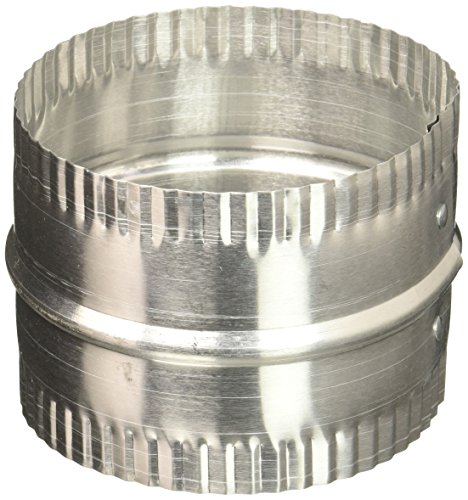
Lambro 244 4-Inch Aluminum Duct Connector

Vent Systems 6″ Galvanized Steel Duct Connector

HG Power 6 Inch Plastic Straight Pipe Flange

Vevor 32ft PVC Flexible Ducting Hose (12″)

MOUNTO 25FT PVC Flexible Duct Hosing (12″)
Taking A Closer Look At The Options
Small-shop woodworkers and hobby machinists tend to live in 5-inch dust collection territory, and that’s exactly the job this Hon&Guan flange was sized for. The 122mm outside diameter drops cleanly into a standard 5-inch pipe run, so it slips between a blast gate and a tool pickup without adapters. ABS plastic keeps the part light, which helps when you’re suspending ductwork from a basement joist or a garage rafter.
Compared to the 6-inch Hon&Guan option that appears later in this list, this 5-inch version is the friendlier match for table saws, planers, and jointer pickups. The clamps come included, which removes a small but real friction point on a first install.
A Few Highlights
- Compact ABS body that resists dents during routing through tight joist bays
- Includes the clamps, so a first-time installer does not have to source them separately
- Snug 5-inch fit preserves airflow at the blast gate, which keeps suction strong at the tool
- Light enough to mount on a ceiling bracket without extra reinforcement
Things To Consider
- ABS can grow brittle in unheated shops during long cold snaps
- Not the right size for 6-inch main trunks that run to a central collector
Who It Suits Best
Garage and small-shop woodworkers running 5-inch dust collection lines to stationary power tools.
Consider Something Else When
Your shop is plumbed around a 6-inch main trunk, in which case the Hon&Guan 6 Inch Duct Connector Flange is the closer match.
Step up one diameter and you land in the size that handles most residential HVAC branch runs and many dryer venting setups. The 147mm outside diameter of this Hon&Guan 6-inch flange slides into standard 6-inch pipe, and the same clamp-and-seat installation pattern carries over from the 5-inch sibling above. ABS construction keeps weight low, which matters when the run is suspended overhead.
For homeowners extending a basement HVAC trunk or repairing a section of dryer duct, the 6-inch size is the more common spec, and the included clamps remove a separate trip to the hardware store. The trade-off compared to a steel coupler shows up mainly under high-heat or high-vibration service.
Everyday Perks
- Wider 6-inch bore supports higher CFM for whole-home ventilation branches
- Lightweight ABS body cuts installer fatigue on ladder work
- Clamps ship in the box, simplifying a weekend repair
- Works on both rigid metal duct and flexible aluminum hose
Worth Noting
- ABS can discolor near heat sources like dryer exhaust if clearances are tight
- Loose fit on some imported flexible hose may call for an extra wrap of foil tape
Made For
Homeowners and light-trade installers extending 6-inch HVAC or dryer ducting on a weekend project.
Where Another Pick Suits Better
Workshops that need a metal connection for high-vibration service will prefer the Vent Systems 6″ Galvanized Steel Duct Connector further down the list.
Older dryer installs and some bathroom fan runs still depend on 4-inch flexible aluminum duct, and a connector purpose-built for that diameter saves the usual improvisation. The Lambro 244 is a simple aluminum sleeve made to join two pieces of 4-inch flex without crushing the ribs. The thin aluminum body is light, easy to crimp, and small enough to tuck into a tight cavity behind a dryer.
Because it is aluminum rather than plastic, the part tolerates the heat near a dryer outlet far better than the ABS options earlier in this list. For anyone replacing a single failed section, the narrow 4-inch sizing is often the spec the wall already calls for.
Benefits That Matter
- Aluminum body tolerates dryer-grade heat without warping
- Slim profile fits behind appliances where space is tight
- Light enough to carry in a pocket for a quick service call
- Domestic manufacture tends to mean consistent wall thickness
Points To Note
- Thin walls dent if a screwdriver slips during install
- Not a structural fitting, so it relies on the surrounding duct for support
Best Suited To
Service techs and homeowners repairing a single 4-inch dryer or bath fan run without re-plumbing the line.
Skip It When
You are joining a 6-inch trunk, where the HG Power 6 Inch Plastic Straight Pipe Flange is the more appropriate size.
Long metal duct runs in a basement mechanical room or a small commercial space put real stress on a connector, and that is where galvanized steel earns its keep. This Vent Systems coupler has a 5.87-inch inside diameter that fits standard 6-inch round pipe, with the kind of rigidity that holds shape across a multi-section trunk. The galvanized finish handles the moisture and temperature swings common in unconditioned spaces.
Compared to the ABS flanges reviewed above, this steel version trades weight for durability, and you will feel the difference during a ceiling install. The trade-off is tool requirements: a real metal duct job usually calls for sheet metal screws or rivets, not just clamps.
Well-Handled Touches
- Galvanized steel resists rust in humid basement and garage environments
- Rigid body keeps alignment true on long overhead runs
- Compatible with metal pipe, soft aluminum duct, and PVC
- Tolerates the vibration from a high-CFM blower far better than plastic
Trade Offs
- Heavier than ABS, so ceiling mounting needs solid bracing
- Requires sheet metal screws or rivets rather than simple clamps
Right Fit For
Contractors and serious DIYers running long 6-inch metal duct trunks through basements, garages, or workshops.
A Better Fit Elsewhere
For a quick plastic-flange repair in a residential HVAC branch, the Hon&Guan 6 Inch Duct Connector Flange is the easier swap.
The HG Power flange takes a different installation approach than the rest of the plastic connectors in this roundup. Rather than wrapping around the outside of the pipe, this one inserts inside the duct, which is useful when the existing pipe is already mounted flush against a wall or framing member. The 150mm dimension lines up with nominal 6-inch pipe, and the ABS body keeps the part manageable on a ladder.
For a one-off repair where the original ductwork is already fixed in place, an insert-style flange often succeeds where an outside-wrap flange cannot physically fit. The trade-off is that the connection depends on the inside surface of the host pipe staying clean and round.
The Good Stuff
- Insert-style design solves tight-clearance repairs where outside flanges will not seat
- ABS plastic body keeps the install light and tool-free with the right clamps
- Snug internal fit resists the slight wiggle that causes air leaks
Honest Caveats
- Requires the host pipe interior to be clean and free of dents for a proper seat
- ABS will deform near sustained high heat, so keep it away from furnace flue runs
Perfect Match For
Homeowners patching a tight 6-inch branch where a wrap-around flange physically cannot fit against framing.
Reach For A Different Pick When
You are routing a long exposed run that needs the structural rigidity of the Vent Systems 6″ Galvanized Steel Duct Connector.
Shifting from rigid connectors to flexible duct hose changes the use case entirely. This Vevor hose is built to attach to a 12-inch utility blower, with 32 feet of reach for venting fumes, dust, or warm air out a window or door. The PVC construction wraps a carbon-wire spring over a polyester weave, which keeps the hose round under suction and lets it compress back for storage. Flame-retardant material is a meaningful detail on a job site.
Versus the MOUNTO 25-foot hose reviewed below, this Vevor option gives you extra reach for larger shops or longer window-to-blower distances. The trade-off is bulk; 32 feet of 12-inch hose takes up real space on a shelf.
Noteworthy Benefits
- 32-foot length reaches across large shops and warehouse spaces
- Flexible PVC with carbon-wire helix keeps the bore open under suction
- Flame-retardant construction adds a layer of safety on job sites
- Compresses back to a smaller size for storage in a van or closet
Practical Considerations
- Long length can sag without intermediate support along a long run
- Bulkier than shorter hoses, so storage space matters
Who Should Grab It
Contractors and shop owners running a 12-inch utility blower where the vent point is far from the work area.
Not Your Match When
You only need a short run from a portable blower to a window, where the MOUNTO 25FT PVC Flexible Duct Hosing is the tidier fit.
The shorter sibling in the 12-inch flexible hose category, this MOUNTO hose trims seven feet off the Vevor option for situations where a tighter hose is easier to manage. The 2-ply reinforced PVC body and flame-retardant build are similar in spirit to the longer hose, and the operating range of -20 to 180°F covers most real job site and residential exhaust scenarios. A quick-connect nylon rope is included to tie the hose to the blower collar.
For anyone moving a portable blower between rooms or job sites, 25 feet is often plenty and packs down smaller than a 32-foot hose. You may find the shorter length limiting on warehouse-scale runs, but for typical garage and basement exhaust tasks, the size hits a sweet spot.
Real Benefits
- 25-foot length is easier to coil and store than longer 12-inch hoses
- 2-ply reinforced PVC holds up to repeated setup and tear-down
- Wide temperature tolerance covers most exhaust and ventilation uses
- Quick-connect rope simplifies blower attachment
Possible Compromises
- May come up short in large warehouse spaces that demand the extra reach of the Vevor 32ft hose
Whose Shelf It Belongs On
Homeowners and trades who move a portable 12-inch blower between basements, garages, and small commercial spaces.
Look Elsewhere When
You need maximum reach for a large shop, where the Vevor 32ft PVC Flexible Ducting Hose is the stronger pick.
Matching The Right Connector To Your Ductwork
Choosing air duct flexible connectors starts with the diameter of the existing pipe. Measure the outside of the rigid duct or the relaxed diameter of the flexible hose and match within a millimeter or two, since a loose fit leaks air and a forced fit cracks plastic flanges. Material is the next decision: ABS plastic works for most indoor HVAC and dust collection runs, aluminum suits dryer venting where heat is a factor, and galvanized steel is worth the weight for long overhead trunks that need rigidity.
Think about how the connector will be reached for maintenance. Tight joist bays favor insert-style flanges like the HG Power option, while exposed basement runs are easier to service with wrap-around flanges and standard clamps. Vibration is the third axis to weigh. A high-CFM blower shakes loose connections over time, so plastic clamps alone may need a backup wrap of foil tape, while steel couplers hold their seat with sheet metal screws.
Finally, decide between a rigid connector and a flexible hose. Rigid connectors join two fixed sections of pipe cleanly, while flexible duct hose like the Vevor and MOUNTO options routes around obstacles and vents to a window. Mixing the two is normal: a steel coupler on a rigid trunk, then a flexible hose at the blower end. Match each piece to its job and the whole run holds together.
Key Considerations Across These Picks
Common Shopping Slip Ups
The most frequent error is matching a connector to nominal pipe size without measuring actual diameter. A “6-inch” label can mean 150mm or 5.87 inches depending on the standard, and a 5mm mismatch turns into a whistling air leak. The other common mistake is using plastic flanges near heat sources like dryer exhaust outlets or furnace plenums, where ABS softens over time. When the application runs hot, switch to aluminum or galvanized steel, or add clearance with a short metal nipple between the heat source and the plastic connector.
Where The Extra Money Goes
Premium galvanized steel costs more than ABS plastic because the material is heavier, the forming process is slower, and the finish resists rust for years in a damp basement. The upgrade is worth it on long overhead runs, commercial-grade dust collection, and any connection that sees vibration from a high-CFM blower. For a single quiet HVAC branch in conditioned space, ABS is usually the smarter spend.
Frequently Asked Questions
What Size Connector Do I Need For Standard Dryer Venting?
Most residential dryers use 4-inch flexible aluminum duct, so a connector like the Lambro 244 is the typical match. Always measure the actual relaxed diameter of the existing hose before ordering, because older installs occasionally used non-standard sizing.
Can I Use ABS Plastic Connectors Near High Heat?
ABS works for room-temperature HVAC and dust collection, but it softens near sustained heat sources like furnace plenums or uninsulated dryer outlets. Switch to aluminum or galvanized steel when the connector sits within a foot of any heat source, or add a metal nipple between the heat point and the plastic flange.
How Do I Stop An Air Duct Connector From Leaking?
Start by seating the connector fully into the host pipe, then secure with the included clamps or sheet metal screws. A wrap of foil HVAC tape over the joint adds insurance against vibration loosening the seal over time. For insert-style flanges, make sure the inside of the host pipe is clean and round before the part seats.
Do Flexible Duct Hoses Replace Rigid Connectors?
They serve different purposes. Rigid connectors join two fixed sections of pipe, while flexible hoses like the Vevor 32-foot and MOUNTO 25-foot options route around obstacles and vent to a window or door. Most real systems use both: rigid pipe for the trunk, flexible hose at the blower or terminal end.
How Long Should A Flexible Duct Hose Be For A Utility Blower?
Match the length to the actual distance from the blower to the vent point, plus a few feet of slack to avoid sharp bends. 25 feet handles most garage and basement setups, while 32 feet covers larger shops and warehouse spaces where the vent point is farther from the work area.