

That hot air sneaking past your window AC or seeping through a tired door frame costs you comfort and money every season. A good roll of sealing tape closes those gaps in minutes, no contractor required. The seven options below cover foam strips, clear film, and heavy-duty foil, so you can match the right material to the right gap.
The Essentials At A Glance

Bantie 33FT EVA Foam Weather Stripping Door Seal

ECOHomes Window Weather Sealing Tape (2 in x 90 ft, Clear)

PackYard Window Sealing Tape 2 in x 33 ft Transparent
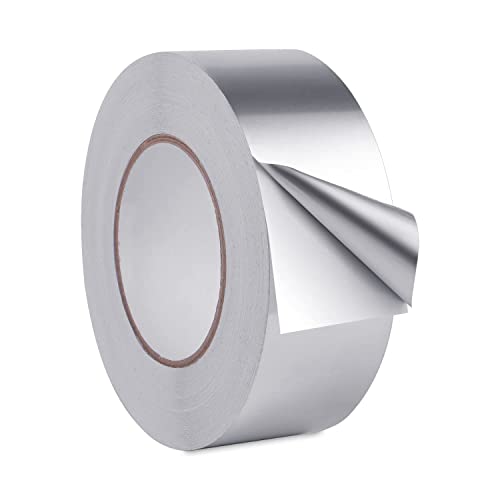
Lichamp 2 Inch HVAC Aluminum Foil Tape

SWRT 2 in x 30YD 8Mil Window Sealing Tape

Tikfoam White Window Weather Sealing Tape

Litaibai Transparent Window Weather Sealing Tape 20 Mil
Soft foam tape earns its keep on the gaps nobody wants to think about, like the bottom of a front door that lets winter crawl in under the threshold. Bantie’s 33-foot EVA (ethylene-vinyl acetate, a rubbery closed-cell foam) strip compresses easily, so you can close a drafty seam without committing to a permanent-looking fix. Compared with the rigid foil option further down this list, this one feels almost pillowy to install.
The mesh-style adhesive backing gives you alignment guides while you work, which helps on longer runs where eyeballing gets you crooked. It sticks well on clean, dry paint and removes cleanly enough for most rental situations, though porous surfaces can hold onto the residue.
The Helpful Details
- Flexible foam compresses into uneven gaps that rigid tapes miss
- Self-adhesive backing skips the need for extra glue or staples
- 33-foot length handles multiple doors or one large window frame
- Light sound-dampening effect in busy hallways or shared walls
Things To Consider
- Foam compresses permanently over years, so high-traffic doors may need replacement sooner
- Not the right call for HVAC ductwork, where heat and pressure demand foil
Who It Suits Best
Homeowners and renters sealing door frames, attic hatches, and medium-width window gaps where a forgiving foam is easier to work with than a stiff film.
Consider Something Else When
Shoppers wrapping duct joints should reach for the Lichamp 2 Inch HVAC Aluminum Foil Tape, since foil handles the heat and pressure foam simply cannot.
Big jobs reward big rolls, and ECOHomes hands you 90 feet of clear sealing tape, which is roughly three times the length of most competing options. That headroom matters when you’re walking the whole house sealing every drafty window before summer, or covering a long stretch of sliding door track. The clear film stays nearly invisible on glass, so your view stays intact.
You trade a little thickness for that length. ECOHomes sits in the middle of the pack for mil rating, so it conforms well but does not bridge wide, irregular gaps the way a heavier film would.
What Pays Off
- 90-foot roll covers whole-home projects without a mid-job restock
- Clear finish keeps sightlines clean on picture windows
- Two-inch width fits standard window AC side panels with trimming
Trade Offs
- Less rigid than the Litaibai 20-mil option, so it may ripple on uneven frames
- Adhesive can struggle on dusty or chalky paint without a wipe-down first
Right Fit For
DIYers sealing multiple windows in one afternoon, especially anyone outfitting a rental unit before cooling season.
Where Another Pick Suits Better
For wider or rougher gaps that need a stiffer film, the Litaibai Transparent Window Weather Sealing Tape 20 Mil bridges the irregularities this one may show.
PackYard leans into the invisible-seal promise, and for many homeowners the appeal is purely cosmetic. The transparent film disappears into the window frame, leaving the glass looking untouched even when the edges are wrapped tight. On a south-facing window where every millimeter of view matters, that matters.
The 33-foot length is the everyday standard, and the two-inch width handles the common case of sealing a window AC side curtain against a frame. Application is a one-person job with a steady hand and a clean surface.
Advantages To Know
- Transparent body keeps the seal out of sight on clear glass
- Residue-free adhesive on most smooth surfaces, which renters appreciate
- Handles temperature swings common around window AC exhaust paths
Worth Noting
- Surface must be wiped clean or the bond weakens within days
- Shorter roll than the ECOHomes 90-foot option for whole-home jobs
Made For
Apartment dwellers and homeowners sealing one or two visible windows where the look of the seal matters as much as the seal itself.
A Better Fit Elsewhere
Anyone sealing an entire apartment’s worth of windows should grab the longer ECOHomes 90-foot roll to avoid running out mid-project.
Aluminum foil tape lives in a different category than the foam and clear films above, and Lichamp is the workhorse option. It’s built for HVAC (heating, ventilation, and air conditioning) ductwork, where temperatures swing and pressure pushes against every seam. The 70-yard roll is sized for serious projects, not a single window.
The metal body is reflective and conductive, so it handles the kind of heat that would melt a foam strip or weaken a clear adhesive. If your AC unit sits over a ducted chase, this is the tape you want for those joints.
A Favorable Mix
- Handles temperature extremes, hot attic ducts and cold returns alike
- Moisture-resistant backing holds up around condensate lines
- Meets common HVAC code expectations for duct sealing
Honest Caveats
- Metallic finish is purely functional and looks unfinished on visible trim
- Cutting requires scissors rather than tearing by hand
- Overkill for a single drafty window, where foam or film fits better
Feature Snapshot
Best Suited To
Homeowners with central air handling duct sealing, plus workshop and garage projects where heat and moisture are part of the job.
Skip It When
Anyone sealing only a window AC unit should pick a clear film like the PackYard 33-foot tape, since foil looks industrial on visible window edges.
Seasonal sealing has a real appeal for renters, and SWRT leans into that with a no-residue promise. Apply it in May when you install the window AC, peel it off in October when you store the unit, and your security deposit stays intact. The 8-mil thickness is sturdy enough to handle a single season without tearing, even on the side panels of a heavy window unit.
The film is thicker than budget options but still flexible, so it conforms to the slight curves in AC side curtains without bunching.
Noteworthy Benefits
- Residue-free removal protects paint and finishes in rentals
- 8-mil film resists tearing when removing after a full season
- Works for pollen, dust, and draft sealing in shoulder seasons
Possible Compromises
- Bond may soften in direct summer sun on south-facing windows
- Adhesion can be unpredictable on textured wallpaper
Who Should Grab It
Anyone sealing a window AC in a leased apartment or dorm room, where the no-residue promise matters more than maximum bond strength.
Another Choice May Suit
For year-round sealing in a home you own, the Tikfoam White Window Weather Sealing Tape offers a more permanent bond on trim and frames.
White trim deserves white tape, and Tikfoam gets that. The finish blends into painted window casings, so a sealed edge looks intentional rather than patched. The material is rated to handle cold down to -20°C, which puts it ahead of most clear films in unheated spaces or northern climates.
You trade transparency for a stronger cold-weather bond. The white body also shows dust less than clear film, which is a small but real quality-of-life win in visible spots.
The Case For It
- White color matches common trim without painting over the seal
- Cold-rated adhesive stays bonded in low temperatures
- Resists moisture and dust ingress in seasonal shoulder weather
Points To Note
- White color is more visible than clear film on dark frames
- Not designed for ductwork or extreme heat applications
The Right Fit
Homeowners in cold-winter regions sealing window trim and door edges where the tape shows and needs to match the existing color.
Reach For A Different Pick When
Anyone prioritizing a fully invisible seal on dark or stained trim should choose the Litaibai transparent 20-mil film instead.
Thicker film earns its keep on the gaps that thinner tape simply cannot bridge. Litaibai’s 20-mil PET (a strong, clear polyester film) build holds shape across wider openings and rougher frames, which is the case in older homes with shifting trim. Where PackYard’s 33-foot roll flutters on uneven surfaces, this one stays flat and anchored.
The pressure-sensitive acrylic adhesive (a tack that bonds firmly on contact without heat) is designed to come off cleanly when you want it gone, which makes it a friendlier choice for painted surfaces than permanent-bond foils. The 33-foot length is modest, so you may need to order more for whole-home projects.
The Upside
- 20-mil film bridges wider, irregular gaps that thinner tapes show through
- Clear PET keeps the seal out of sight on glass and trim
- Pressure-sensitive adhesive removes cleanly when seasons change
Factors To Consider
- Shorter roll than the ECOHomes 90-foot option for large projects
- Stiffer film can be harder to conform around tight inside corners
Whose Shelf It Belongs On
Homeowners with older, draftier windows where the frames have settled and a thicker film is the only thing that will hold a flat seal.
Swap It Out When
Renters handling seasonal AC install and removal should pick the SWRT 8-mil tape, which is easier to peel in a single piece.
## Picking The Right Tape For The Gap Start with the gap itself, not the brand. A foam strip like the Bantie works best where compression matters, like a door that needs to close fully. A clear film belongs on glass and trim where appearance drives the decision. Aluminum foil has a narrow but important lane around ductwork and high-heat spots where other materials break down. Surface prep matters more than people expect. Wiping the area with rubbing alcohol and letting it dry gives any of these tapes a much better chance at a long bond. Skipping that step is the most common reason a seal lifts within a week. Width and length should match the project. A 2-inch roll fits most window AC side panels, while door frames often need a wider strip or two parallel runs. Buy more length than you think you’ll need, since mistakes and re-dos eat into the roll faster than expected. ## Spotting The Trade-offs Before You Buy ### Pitfalls Shoppers Hit The biggest mistake is buying the cheapest foam tape and expecting it to last in a high-traffic door. Foam compresses permanently under repeated impact, so a strip that feels snug in week one may feel thin by month six. For doors, plan on replacement every year or two. The second trap is skipping the surface wipe. Tape laid over dust, grease, or chalky paint looks fine on day one and lifts by day seven, which leads to a common complaint that “the tape doesn’t stick.” The tape is fine, the surface was not. ### Where The Extra Money Goes Stepping up to a thicker film like the 20-mil Litaibai option or a longer roll like the 90-foot ECOHomes tape means more raw material per roll, which translates to better gap-bridging and fewer mid-project reorders. For someone sealing one window, the upgrade rarely pays back. For a whole-home project, it usually does. Premium aluminum foil costs more because the metal itself is more expensive than foam or film, and the adhesive must handle heat. The Lichamp tape earns its price on ductwork where cheaper materials would fail within a season. ## Frequently Asked Questions ### What is the difference between foam tape and clear film tape for AC units? Foam compresses to fill irregular gaps, making it ideal for door stops and window edges where the seal needs to flex. Clear film lays flat on smooth surfaces like glass and painted trim, providing a tighter, more invisible seal where appearance matters. ### Can air conditioner tapes be used on HVAC ductwork? Only aluminum foil tape is rated for the temperature and pressure of ductwork. Foam and clear films break down in the heat around ducts, so the Lichamp HVAC foil tape is the safer choice for any duct sealing project. ### Will residue-free tape really come off clean? Most residue-free formulas release cleanly from smooth, fully cured paint, glass, and metal. On porous surfaces like unfinished wood or textured wallpaper, adhesive can leave traces regardless of the formula, so test a small corner first. ### How wide should the tape be for a window AC unit? Two inches is the common standard, but measure the side panel gap before buying. Wider gaps may need a 3-inch tape or two parallel strips to seal the full width without bunching. ### How long does window sealing tape typically last? On a protected interior surface, a quality film can last several seasons before the adhesive weakens. On exterior-facing trim exposed to sun and rain, plan on one to two seasons before replacement, especially in southern climates.