

Heating and cooling a home without juggling two separate systems feels like a quiet win, especially when shoulder seasons swing from chilly mornings to humid afternoons. Air conditioner heat pumps pull double duty, moving heat instead of generating it, which keeps energy use gentler on monthly bills. The seven options below cover everything from compact window units to ductless mini splits, so the right fit depends on your room size, your climate, and how hands-on you want to be with installation.
The Picks In Brief

Midea 8,000 BTU Smart Inverter Window Air Conditioner with Heat

Albott 12,000 BTU Mini Split Air Conditioner and Heater SEER2 18

Midea 12,000 BTU Window Air Conditioner with Heat, 550 Sq Ft

Midea Duo 14,000 BTU Portable Air Conditioner with Heat

Temprium 12000 BTU Mini Split Air Conditioner, 22 SEER2
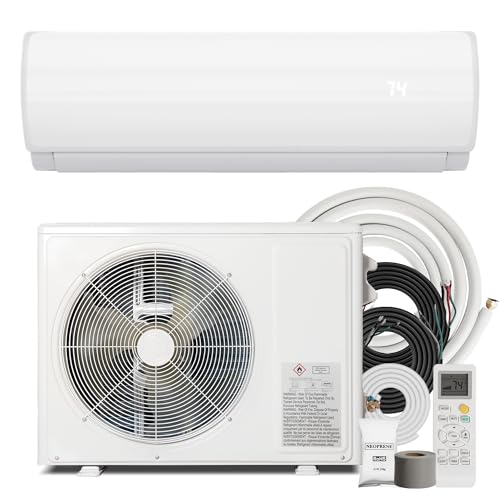
Nexaro 12000BTU Mini Split Air Conditioner Heat Pump, 19 SEER2

Nexaro 18000BTU Mini Split Air Conditioner Heat Pump, 19 SEER2
A Deeper Look At The Lineup
Small bedrooms and home offices are where this Midea window unit quietly earns its keep. The 8,000 BTU cooling capacity covers spaces up to 350 square feet, which suits most secondary rooms without overpowering them. A heat pump mode adds supplemental warmth during cool snaps, so the unit works across more of the year than a basic AC.
You get electronic controls with a remote, plus a dehumidifier function that pulls extra moisture from sticky summer air. The inverter compressor adjusts output gradually rather than cycling on and off, which tends to keep noise levels lower than older single-speed designs. Compared to the larger Midea window model further down this list, this one trades coverage area for a smaller window footprint.
What Helps Most
- Covers up to 350 square feet, ideal for bedrooms and small offices
- Heat pump function adds fall and spring warmth without a separate heater
- Dehumidifier mode tackles muggy days beyond what cooling alone can do
- Remote control lets you adjust settings from across the room
- Inverter technology runs more quietly than traditional single-speed window ACs
Things To Consider
- Heat pump mode stops working once outdoor temperatures drop to roughly 41°F or below, so a backup heat source is needed in cold climates
- Window sleeve sizing should be confirmed before purchase to avoid fit headaches
Made For
Apartment dwellers and homeowners with a single secondary room up to 350 square feet who want one unit for both seasons.
Look Elsewhere When
Your room runs larger than 350 square feet, in which case the Midea 12,000 BTU window unit on this list covers closer to 550 square feet more comfortably.
Ductless mini splits feel like a step up from window units, and the Albott 12,000 BTU system brings that experience to rooms up to 750 square feet. A SEER2 rating of 18 puts it in solid efficiency territory for the category, meaning it converts more electricity into cooling and heating rather than wasting it as heat. The 115V power requirement means many homes can run it on a standard outlet, though the listing recommends a professional install.
You get a handheld remote, an app for smartphone control, and a self-cleaning function that helps keep the indoor coil fresh between deep cleanings. The inverter compressor ramps up and down instead of hard-starting, which tends to keep energy bills steadier across long stretches. Compared to the Midea window units, this one trades portability for a quieter indoor experience and broader coverage.
Noteworthy Benefits
- Cools and heats rooms up to 750 square feet, fitting large living areas and open spaces
- SEER2 18 efficiency rating keeps operating costs in check for a mini split
- App and remote control add flexible day-to-day management
- Self-cleaning mode reduces how often you need to manually service the indoor unit
Worth Noting
- Installation typically requires a licensed HVAC technician, which adds to total setup cost
- Line-set routing through an exterior wall means planning where to place the outdoor unit
- Self-cleaning is a maintenance helper, not a replacement for periodic filter washing
Key Specs
Who Will Love This
Homeowners ready to invest in a ductless install who want smartphone control and balanced efficiency for a single large room or zone.
Skip It When
You need something you can plug in and run today, since the Temprium 12000 BTU Mini Split is a similar ductless option and the Midea window units need no wall penetration at all.
Living rooms, primary bedrooms, and finished basements tend to fall in the 400 to 550 square foot range, which is exactly where this Midea window unit aims. The 12,000 BTU output cools spaces up to 550 square feet, and the heat pump adds supplemental warmth during cooler months. It is the larger sibling of the 8,000 BTU Midea reviewed above, built for rooms that need more muscle.
You get electronic controls, a remote, and a dehumidifier mode for sticky days. Like the smaller Midea, this one includes inverter technology, which adjusts compressor speed for steadier temperatures and often lower energy draw than fixed-speed designs. Compared to the Midea Duo portable unit, this one skips rolling flexibility for stronger cooling output and a simpler window install.
A Strong Showing
- Covers up to 550 square feet, suiting living rooms and larger bedrooms
- Heat pump function delivers wintertime warmth in milder shoulder seasons
- Dehumidifier mode helps on humid days beyond what cooling alone handles
- Remote and electronic controls make daily adjustments easy from across the room
Trade Offs
- Heat pump stops operating once outdoor temperatures fall below about 41°F, so cold-climate homes need a separate heating source
- Window-mount brackets and side panels may need a careful check against your specific window opening before ordering
Right Fit For
Homeowners with a single mid-size room up to 550 square feet who want one year-round unit without a ductless installation project.
Consider Something Else When
You need cooling for a much larger open area, where the Nexaro 18000BTU Mini Split handles up to 1,250 square feet and runs on a dedicated 230V circuit.
Renters and anyone without a compatible window often hit a wall with traditional ACs, and the Midea Duo sidesteps that problem by rolling between rooms. The unit is rated at 14,000 BTU with a 12,000 BTU SACC (the more realistic cooling measure used in current U.S. standards) for spaces up to 550 square feet. Built-in casters and a venting kit make room-to-room moves workable, though you do need a window nearby for the exhaust hose.
You get smart and remote control, plus compatibility with voice assistants for hands-free adjustments. The inverter compressor helps keep noise down to as low as 42 dB in cooling mode, which feels closer to a quiet library than a traditional portable. Unlike the Midea window units reviewed earlier, this one sacrifices some cooling muscle per square foot in exchange for portability.
The Good Stuff
- Rolls between rooms, ideal for renters and shared living spaces
- Heat pump function adds warmth for cooler months
- Voice assistant compatibility works with common smart home setups
- Lower noise output than many traditional portable units
- Smart and remote control add flexible daily operation
Room For Improvement
- Exhaust hose must reach a window, so placement options are limited by window access
- Internal condensate management in humid conditions may require periodic draining
- Portability is a real perk, but cooling output is generally lower per BTU than window units of similar ratings
Best Suited To
Renters and homeowners without window-mount options who want cooling and heating that can move with the seasons or the living situation.
A Better Fit Elsewhere
You have a permanent room to cool and want maximum efficiency, in which case the Midea 12,000 BTU Window Air Conditioner stays put and runs more economically.
SEER2 is the modern seasonal efficiency rating, and at 22 this Temprium sits well above most mini splits in the same cooling class. A higher number means more cooling per watt of electricity, which compounds over years of summer use. The 12,000 BTU output covers up to 750 square feet, and the inverter compressor modulates output rather than hard-cycling.
The system uses R32 refrigerant, which has a lower global warming potential than older R410A blends, a small environmental plus that matters to some shoppers. WiFi smart control lets you manage temperature from a phone, and the kit includes line sets and mounting hardware for a full install. The 115V power requirement opens it up to homes without high-voltage circuits, though a professional install is still the practical path.
A Few Strong Suits
- 22 SEER2 efficiency rating sits near the top of the mini split category
- R32 refrigerant reduces environmental impact compared to legacy blends
- WiFi smart control for phone-based adjustments from anywhere
- Complete installation kit in the box, including line sets and mounting hardware
- Covers up to 750 square feet for large rooms and open layouts
Points To Keep In Mind
- Professional installation is recommended, which adds to total project cost
- WiFi setup can be finicky depending on your home network and router placement
- Higher upfront cost than window units, partially offset by long-term efficiency
Feature Snapshot
Perfect Match For
Homeowners focused on long-term energy savings who plan to stay put and want a ductless system that runs efficiently through every season.
Reach For A Different Pick When
You need cooling for a very large open area beyond 750 square feet, where the Nexaro 18000BTU Mini Split extends coverage to 1,250 square feet on a 230V circuit.
DIY-minded homeowners shopping for a ductless install often appreciate when the refrigerant is already charged and the kit arrives complete. The Nexaro 12000BTU unit ships with a pre-charged condenser and a full installation kit, which removes one of the more technical steps from the setup. The 19 SEER2 efficiency rating is solid, and the system cools rooms up to 750 square feet.
You get an inverter compressor that adjusts output for steadier temperatures and quieter operation. The 115V power requirement keeps the electrical side approachable in many homes, though routing the line set through an exterior wall still calls for careful planning. Compared to the Temprium above, this Nexaro trades a slightly lower SEER2 rating for a more install-friendly package.
What Stands Out
- Pre-charged condenser simplifies the install compared to units requiring a technician to charge refrigerant
- Complete installation kit included in the box, so you are not chasing parts separately
- 19 SEER2 efficiency keeps running costs reasonable for the cooling class
- Covers up to 750 square feet for large rooms and open layouts
- 115V power requirement fits many standard household circuits
Honest Caveats
- Even with a pre-charged system, mounting the line set and indoor head still require drilling and electrical work
- 19 SEER2 is efficient, but the Temprium on this list pushes to 22 SEER2 for even lower running costs
Quick Facts
Built With In Mind
Handy homeowners planning a ductless install who want a complete kit with the refrigerant already in place and the technical work simplified.
Swap It Out When
Maximum efficiency is the top priority, in which case the Temprium 12000 BTU Mini Split pushes to a 22 SEER2 rating and uses R32 refrigerant.
Open-plan living areas, finished basements, and small workshops stretch past what most residential ACs can handle, and this Nexaro is sized for exactly those spaces. The 18,000 BTU output covers up to 1,250 square feet, paired with a 19 SEER2 inverter compressor for steady temperatures and manageable running costs. The 230V power requirement means it needs a dedicated high-voltage circuit rather than a standard outlet.
The package arrives with a pre-charged condenser and a full installation kit, mirroring the convenience of the smaller Nexaro above. A heat pump function adds year-round usability, so the same system warms the space in cooler months. Compared to the 12,000 BTU Nexaro reviewed earlier, this one steps up in both coverage and electrical demands.
Useful Strengths
- Covers up to 1,250 square feet, the largest footprint on this list
- Pre-charged condenser and full installation kit simplify setup
- 19 SEER2 efficiency keeps running costs reasonable for the output class
- Heat pump function warms the same space during cooler months
- Inverter compressor ramps output gradually for quieter, steadier operation
Potential Drawbacks
- 230V power requirement means professional electrical work if your space lacks a dedicated circuit
- Line-set routing through an exterior wall requires drilling and sealing for a tidy result
- Oversizing for a small room wastes capacity, so accurate room measurement matters here
Whose Shelf It Belongs On
Homeowners with large open living areas, finished basements, or light commercial spaces who need a single ductless system to cover the whole zone.
Where A Sibling Pick Shines
Your space is closer to 750 square feet, in which case the Nexaro 12000BTU Mini Split covers it on a standard 115V circuit and skips the high-voltage install step.
Choosing An Air Conditioner Heat Pump That Fits Your Home
Picking the right heat pump starts with an honest read of the space. Room size is the first filter, since an undersized unit struggles on hot days and short-cycles in mild weather, while an oversized one cycles off before it dehumidifies the air properly. Measure square footage carefully, then add a buffer for kitchens, sun-facing walls, or high ceilings.
Next, think about installation. Window units and portable ACs are genuinely DIY-friendly, while ductless mini splits usually need a licensed HVAC technician, especially for the line set and electrical work. Voltage matters here too, since 115V units fit standard outlets while 230V models need a dedicated circuit that not every home has wired.
Efficiency ratings like SEER2 tell you how much cooling each watt of electricity buys, and the difference compounds over years of summer use. Higher numbers mean lower monthly bills, though they also tend to mean higher upfront cost. Climate matters as well, because heat pump heating works down to a temperature threshold, and very cold regions still benefit from a backup heat source.
Key Considerations Across These Picks
Mistakes Worth Dodging
Guessing room size is the most common slip, and it usually leads to either noisy short-cycling or persistent warm spots. Pull out a tape measure and check manufacturer sizing charts before clicking through. Another trap is forgetting that heat pump heating drops off at lower outdoor temperatures, so shoppers in cold climates need a plan for the days the system stops heating.
Where The Extra Money Goes
Paying more for a higher SEER2 rating mostly buys long-term electricity savings, and the math improves for anyone who runs the system heavily through summer. Premium mini splits also tend to include quieter compressors, better smart home integration, and sturdier indoor heads that hold up to years of seasonal cycling.
Frequently Asked Questions
What is a SEER2 rating and why does it matter?
SEER2 is the updated seasonal efficiency standard for air conditioners and heat pumps, measuring cooling output divided by energy use over a typical season. Higher numbers mean lower electricity costs per hour of cooling.
Can a heat pump replace a furnace in cold climates?
Heat pumps work well down to a temperature threshold, often around 41°F, but efficiency drops as outdoor temperatures fall. In very cold regions, a backup heat source handles the days the heat pump cannot keep up.
What is the difference between a window unit and a mini split?
Window units mount in a single window and are generally DIY-friendly, while mini splits are ductless systems with an indoor head and an outdoor condenser that typically require professional installation. Mini splits tend to be quieter and more efficient.
How do I know what BTU size I need?
BTU sizing depends on room square footage, ceiling height, sun exposure, and how many heat-generating appliances the room holds. Manufacturer sizing charts give a starting point, and going slightly larger is safer than undersizing for sun-facing rooms.
Are portable air conditioners less effective than window units?
Portable units are more flexible for renters and shared spaces, but they generally deliver less cooling per BTU than window units because of heat generated by the exhaust hose and longer air paths.