

Sleeping in a tin-can camper in August gets old fast, and cracking a window only pushes around the same hot air you’re already breathing. A purpose-built van cooling setup changes the whole mood of a trip, turning a sweat-soaked night into something you actually look forward to. This lineup covers rooftop hard-mounts, portable 12V units, and tent-friendly campers so you can match the gear to your rig, power budget, and travel style.
A Closer Look At The Lineup

Outequip 12V 10000 BTU Rooftop Air Conditioner for RVs, Vans, Campers
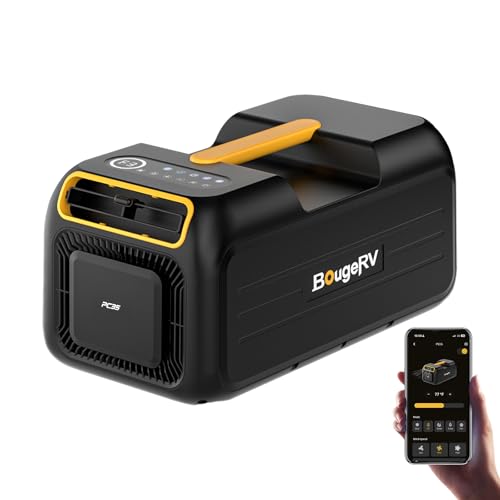
BougeRv PC35 Portable Air Conditioner 3500 BTU Camping Tent AC
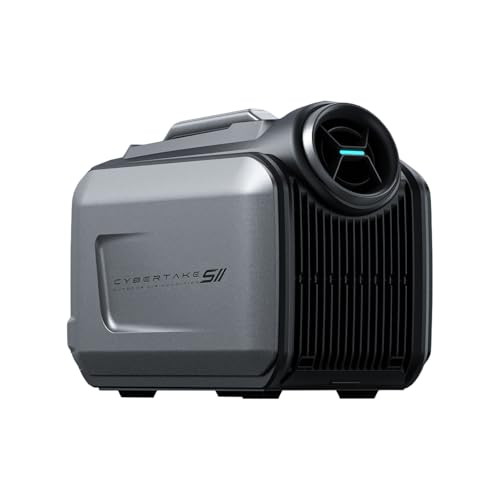
Cybertake S2 Pro Portable Camping Air Conditioner 5100 BTU
Ivation 6,500 BTU Portable Camper Air Conditioner (Window Sill Mount)

GETUHAND Portable Tent Air Conditioner 5200 BTU 400W
Aspligo 12V RV Rooftop Air Conditioner 8000 BTU Ultra-Thin

Gidrox 10000 BTU 12V DC Rooftop AC Unit with App Remote
Meet The Standout Selections
The Outequip rooftop unit runs directly off a 12V DC system, which matters if you have a serious lithium bank but no shore power hookup. Sized at 10,000 BTU, it sits in the same cooling class as the Gidrox at the bottom of this list, but the low-profile shell keeps total roof height closer to a stock van. That balance of capacity and clearance makes it a strong match for full-time builds where every inch of headroom counts.
Owners commonly report that a 480Ah battery bank stretches runtime to roughly eight hours, which covers most overnight sleep cycles. The UV-stabilized ABS housing and EPDM foam gasket help the unit handle constant sun exposure on parked vans. For the right power setup, this is the kind of install-once-and-forget option that defines long-term van life.
The Upside
- 10,000 BTU handles most mid-size camper vans without struggling
- Direct 12V DC draw skips the inverter, saving energy
- Low-profile rooftop design preserves interior headroom
- UV-stabilized shell and foam gasket support all-weather durability
Points To Note
- Requires a sizable battery bank to run overnight away from shore power
- Rooftop installation calls for proper sealing and a sturdy roof cutout
Who It Suits Best
Full-time van lifers with a 480Ah+ lithium bank and a permanent build that can handle a rooftop cutout.
Consider Something Else When
Casual weekend campers should look at the BougeRv PC35 portable unit, which avoids permanent roof work entirely.
The BougeRv PC35 takes the opposite path from the Outequip rooftop above. It is a portable 3,500 BTU unit you set on the ground or a camp chair, hose out the window, and run from a portable power station. That portability makes it the friendliest pick for pop-up tent campers and rooftop-tent sleepers who move spots every few nights.
App control over roughly 33 feet is a genuine perk when the unit lives behind a sleeping bag or under a bench. Five operating modes give you flexibility to trade cooling power for fan-only night noise. For trips where drilling a roof is unthinkable, this is the easiest entry into van life cooling.
Where It Helps
- Portable form factor works in tents, vans, and cabin rentals
- App control means you can change settings without leaving your sleeping bag
- Multiple modes let you trade cooling strength for quieter operation
Trade Offs
- 3,500 BTU suits small spaces only; larger vans may feel undercooled
- Real-world cooling depends heavily on outside temperature and insulation
- Exhaust hose routing takes some trial and error on every new campsite
Made For
Pop-up tent campers and weekend travelers who want no-install cooling they can move between rigs.
Skip It When
Full-time van lifers with a permanent rig should step up to the Outequip 12V rooftop for stronger, set-and-forget cooling.
Where the BougeRv PC35 only cools, the Cybertake S2 Pro also heats, with a 6,100 BTU heating mode alongside its 5,100 BTU cooling. That dual function turns it into a true three-season companion for shoulder-month trips. Three power inputs (100-240V wall, 12-24V vehicle, and 48V DC for a portable power station) cover almost any campsite setup.
Roughly eight hours of runtime per 1kWh translates to a full night on a mid-size power station. The catch is that the 48V DC input requires a separate boost converter, so budget for that accessory. For travelers chasing shoulder-season flexibility, this is the most adaptable pick on the list.
What Works In Its Favor
- Combined cooling and heating covers more than just summer nights
- Three power input options suit nearly any campsite or vehicle
- Five-plus thousand BTU output is meaningful in mid-size vans
Worth Noting
- 48V DC mode requires a separately purchased boost converter
- Portable form factor still demands some venting or ducting in a van
Best Suited To
Three-season travelers who need both heating and cooling from a single unit and already own a portable power station.
Not Your Match When
Summer-only campers can save weight and cost with the GETUHAND portable AC, which focuses purely on cooling.
The Ivation sidesteps the rooftop question entirely with a saddle mount that rides on a window sill or similar opening. At 6,500 BTU, it sits between the portable tent units and the rooftop heavy hitters, and it adds a dehumidifier mode for sticky coastal nights. The shock-absorbing dampers aim to keep the compressor hum from rattling through your van walls.
For renters or anyone who can not modify their van, this is the lowest-commitment cooling option that still pulls real duty. Sleep mode and a digital display round out a thoughtful user experience. The catch is that your van needs a compatible window or vent opening to accept the saddle mount.
What It Does Well
- No roof cutting or permanent modification required
- Three-in-one design covers cooling, fan, and dehumidifying
- Mid-size 6,500 BTU output suits most converted vans
Honest Caveats
- Window-sill fit varies by van, so measurement matters
- Portable form factor still takes up interior floor space
Right Fit For
Renter-friendly van builds and leased vehicles where drilling or roof cutting is off the table.
Look Elsewhere When
Anyone with a permanent roof should consider the Aspligo 8000 BTU rooftop for a cleaner, more out-of-the-way install.
The GETUHAND leans hard into portability, weighing around 33 pounds with a built-in handle, sized to carry one-handed. The 5,200 BTU cooling capacity beats the BougeRv PC35 above by a real margin, while the 400W power draw keeps it friendly to smaller battery setups. The compact shell slips behind a driver seat or into a trunk without a fight.
It also doubles as a fan when you do not need full cooling, which is a nice perk for shoulder-season evenings. A GMCC compressor is a recognized name in the mini-cooling world, so the heart of the unit feels dependable. For solo campers, this is the most grab-and-go option in the lineup.
The Good Stuff
- Light enough at roughly 33 pounds to carry one-handed to camp
- Lower 400W draw works with smaller power stations
- Fan mode extends usefulness beyond just cooling
Things To Consider
- Still requires venting through a window or opening in the van
- 5,200 BTU is enough for one person but tight for two
Perfect Match For
Solo weekend campers running a modest power station who want something they can actually lift in and out of the van.
Another Choice May Suit
Two-person trips in hotter climates will appreciate the higher 10,000 BTU output of the Gidrox rooftop at the bottom of this list.
The Aspligo trades some BTU for a much shorter rooftop shell, which matters if your van lives in a low-clearance garage or you hate the look of a bulky unit up top. Running on 12V DC with 8,000 BTU of cooling, it lands in the middle of the rooftop class between the Outequip and the Gidrox. The ultra-thin profile also reduces wind drag on long highway days.
This unit lists broad vehicle compatibility, from motorhomes and campers down to excavators and off-road vehicles. For someone chasing the cleanest possible roofline, the Aspligo is the most garage-friendly of the three rooftop options here. The trade-off shows up in raw cooling power compared to 10,000 BTU siblings.
Everyday Wins
- Low-profile shell keeps vans garage-friendly
- 12V DC direct draw skips the inverter efficiency loss
- Reduced drag compared to taller rooftop units
Small Caveats
- 8,000 BTU is meaningful but trails 10,000 BTU options in extreme heat
- Rooftop install still demands a roof cutout and proper sealing
Who Should Grab It
Garage-parked van owners and builders who care more about clean rooflines than maximum cooling output.
Swap It Out When
Anyone camping in desert heat should step up to the Outequip 10,000 BTU rooftop for the extra cooling headroom.
The Gidrox closes out the list with an inverter-driven compressor that drops temperature within roughly three minutes, paired with an app remote for phone-based control. 10,000 BTU of cooling runs directly from a 12V DC battery system, with no inverter required, and the brand highlights low power consumption as a key spec. The smart inverter tech also helps with quieter compressor cycling.
This is the pick for stealth campers who care about noise and want phone control from a sleeping bag. It cools only, with no heat function, so it is best reserved for the warm months. Match it with a healthy battery bank and you get a near-set-and-forget experience in most climates.
Points In Its Favor
- Inverter compressor helps with both efficiency and quiet operation
- App remote is genuinely useful from bed
- Direct 12V DC draw keeps the system simple
Points To Note
- Cooling only, so you still need a separate heater for cold months
- 10,000 BTU performance depends on adequate battery capacity
Built With In Mind
Stealth-camp sleepers and quiet-canyon campers who want app control and inverter efficiency from a rooftop unit.
Where A Sibling Pick Shines
Cold-weather travelers will find the Cybertake S2 Pro more useful, since it adds a real heating mode to the cooling package.
What To Weigh Before Picking Van Cooling Gear
Power source sits at the top of the list. A 12V DC unit runs off your house battery, while 120V portable units demand an inverter or shore power. BTU ratings (British Thermal Units, the standard measure of cooling output) tell you capacity, but real performance depends on your van’s insulation, window count, and outside temperature. A 10,000 BTU unit in a poorly insulated cargo van can feel underwhelming, while 5,200 BTU in a tight, well-sealed build might be plenty.
Mounting style shapes the install. Rooftop units like the Outequip or Gidrox need a proper roof cutout and sealing. Portable units like the BougeRv PC35 or GETUHAND need a window or vent opening to exhaust heat. The Ivation’s window-sill mount sits in between, with no permanent modification but a more permanent look than a fully portable unit.
Noise level matters more than most spec sheets suggest. Inverter compressors (like the one in the Gidrox) cycle softly, while traditional compressors can drone through thin van walls. Weight and footprint matter too, since portable units eat interior space and add to your cargo load.
Key Considerations Across These Picks
Common Shopping Slip Ups
The biggest mistake is matching BTU to van size without considering insulation. A bare-metal cargo van with thin curtains loses cool air fast, so a higher BTU number may not solve a heat-gain problem. Measure your window openings and roof cutout dimensions before committing to a rooftop or sill-mount unit, since returns and modifications both cost time on the road.
Another trap is underestimating power draw. A 10,000 BTU rooftop can pull 50+ amps at 12V, which drains a modest battery bank in a few hours. Size your battery bank, solar input, and alternator charging to match the unit you choose, or you will find yourself rationing cool air on hot afternoons.
Where The Extra Money Goes
Higher-tier rooftop units like the Outequip and Gidrox earn their premium through inverter compressors, better sealing materials, and lower power draw per BTU. Cheap rooftop units often skip the inverter stage, which means louder cycling, more battery use, and shorter compressor life. If you run your AC frequently, that efficiency gap pays for itself in battery and replacement costs.
Portable units scale up too, with better compressors, app control, and dual heating/cooling modes like the Cybertake S2 Pro. The extra cost there buys you three-season flexibility and quieter operation, which matters when the unit lives three feet from your head.
Frequently Asked Questions
How many BTU do you need for a camper van?
A standard camper van usually wants somewhere between 5,000 and 10,000 BTU, depending on insulation, window count, and climate. Vans with solid insulation and a roof fan can lean toward the lower end, while bare-metal conversions in desert climates need every BTU they can get.
Can a 12V air conditioner run all night on a battery?
A 12V unit can run overnight on a healthy lithium battery bank, though the exact runtime depends on the unit’s amp draw and your battery capacity. A 480Ah bank typically supports eight or more hours of moderate cooling, while a smaller 100Ah bank may only manage two or three.
Are rooftop AC units better than portable ones for vans?
Rooftop units free up interior space and tend to cool more evenly, but they require a permanent roof cutout and a sturdy install. Portable units are easier to set up and move between rigs, which suits renters and weekend campers, though they take up floor space and still need a vent opening.
Do van air conditioners work while driving?
Most 12V rooftop units can run while you drive, since they pull directly from the vehicle’s house battery or alternator. Portable 120V units usually need an inverter, which is less efficient, and some smaller power stations cannot keep up with the sustained draw on the road.
How loud are van air conditioners?
Noise varies widely by compressor type. Inverter-driven units like the Gidrox cycle softly and stay quiet enough for most sleepers, while traditional compressors can drone at a level that takes some getting used to. Reading decibel ratings and user feedback helps set expectations before you buy.