
An air conditioner sitting out back takes a beating year after year. Cottonwood fluff packs into the fins in spring, autumn leaves clog every gap, and winter snow can turn a small dent into a serious repair bill. The right cage or cover keeps debris out, deters theft, and tidies up the side yard without turning the unit into an eyesore.
The Leading Options At A Glance
The Leading Options At A Glance

TRELC Breathable Mesh AC Cover 31.5″ x 31.5″ x 35.4″
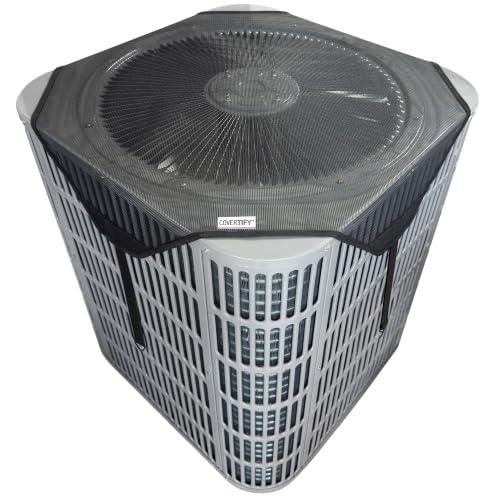
COVERTIFY 36x36in Breathable Mesh AC Cover Outdoor

GIANTEX No-Dig Air Conditioner Fence 2 Panels Black
CLEASO No-Dig Metal Privacy Fence Screen 48″ x 48″

BOWDIMS Privacy Fence Screen 42″ H x 38″ W (3 Panels)

Nuwovwo Adjustable Steel AC Security Cage
The Strengths Of Each Pick
The TRELC cover slips over a standard central-AC unit and stops the slow build-up of fluff and grit that wears down fins over time. The PVC-coated polyester (a polyester fabric sealed with a polyvinyl chloride layer for weather resistance) holds up through wet springs and freezes, and the breathable mesh design means the unit keeps breathing even when fully wrapped.
Owners in tree-heavy neighborhoods will appreciate how the material keeps cottonwood seeds from settling into the coil. Unlike the privacy screens further down this list, this pick is built purely for protection rather than curb appeal, so it trades style for function.
Practical Advantages
- Breathable mesh stops debris without trapping moisture against the unit
- PVC-coated polyester stays flexible through freeze-thaw cycles and wipes clean with a damp cloth
- 31.5″ x 31.5″ x 35.4″ footprint fits most central AC cabinets in newer suburban homes
- Slip-on design removes easily in minutes when service is needed
Worth Noting
- Does not conceal the unit, so yard aesthetics remain unchanged
- Soften under direct afternoon sun over multiple seasons, depending on exposure
Feature Snapshot
Made For
Homeowners with a standard square central-AC unit who want simple, year-round debris protection without a fence or full enclosure.
Where Another Pick Suits Better
Anyone wanting to hide the unit behind a decorative screen will get more from the BOWDIMS Privacy Fence Screen, which doubles as trash-bin coverage.
COVERTIFY takes the breathable-mesh idea and adds diamond-shaped perforations (small repeating cutouts that allow air to pass freely) to keep heat from building up under summer sun. The 36″ x 36″ footprint covers larger square units that the TRELC cover above is too small to handle.
An all-in-one cover-and-hook design trims install time down to a few minutes, which matters for anyone setting this up in a stiff winter wind. Compared with the GIANTEX fence later in this list, the COVERTIFY gives you full overhead coverage rather than a privacy screen, so it suits anyone worried about snow loading on top of the unit.
Key Advantages
- Diamond perforations promote steady airflow, cutting down on trapped heat
- 36″ x 36″ square handles wider residential AC cabinets
- Integrated hook-and-cover combo installs without extra hardware
- Mesh keeps pine needles and small debris from settling into fins
Trade Offs
- Open mesh means limited protection from falling ice or heavy branches
- Color options may be limited depending on current stock
At A Glance
Right Fit For
Households with a wider square compressor and consistent leaf or pollen problems through spring and fall.
Look Elsewhere When
Anyone wanting theft protection should pick the Nuwovwo steel cage, which is purpose-built as a security barrier.
GIANTEX swaps the full cover concept for a two-panel privacy screen that hides the unit from view while still allowing airflow around it. The no-dig metal stakes press straight into soft soil, gravel, or sand, which is a relief for anyone who rents and cannot sink post holes.
PP (polypropylene) construction keeps the panels light enough to reposition seasonally. The 48″ x 48″ coverage handles most central-AC footprints, though wider commercial condensers will need the three-panel BOWDIMS further down this list instead.
Points In Its Favor
- No-dig stakes install in minutes without disturbing landscaping
- Two-panel setup angles around a unit for a cleaner sightline
- PP material resists rot and water damage through wet seasons
- 48″ height blocks most casual viewing of the unit from the yard
Points To Keep In Mind
- Open top leaves the unit exposed to falling debris and heavy snow
- Stakes may loosen in loose sandy soil over a full year of freeze-thaw
Quick Facts
Who Should Grab It
Renters and weekend DIYers who want a screen up in an afternoon without renting a post-hole digger.
Consider Something Else When
Anyone needing full overhead debris defense will find the TRELC mesh cover a more complete shield.
CLEASO swaps the polypropylene of the GIANTEX panels for heavy-gauge steel wrapped in a powder coat (a baked-on dry finish that seals metal against rust). The result feels closer to a permanent garden feature than a seasonal screen, which is the right call for anyone tired of replacing plastic panels every few years.
No-dig stakes are still part of the package, so setup stays a one-person job. The trade-off is weight: a single panel is noticeably heavier than the PP alternatives, and a strong gust can flex the screen if the stakes are not seated fully into firm ground.
Where It Delivers
- Heavy-gauge steel core stands up to accidental bumps from lawn equipment
- Powder-coated finish fights rust and weathering year after year
- One-panel footprint keeps the install footprint compact for tight side yards
- No-dig ground stakes skip the cement step entirely
Honest Caveats
- Heavier than PP panels, so two-person carry may help during setup
- Open-top design still leaves the unit exposed to overhead debris
Best Suited To
Homeowners in four-season climates who want a screen that will outlast cheaper plastic alternatives through harsh winters.
Skip It When
Anyone needing to wrap around a wider unit on three sides should reach for the BOWDIMS three-panel set instead.
BOWDIMS delivers the widest coverage in this roundup with three connected panels sized to hide a 96-gallon trash bin or any common residential AC unit. The 42″ height tucks neatly under most fence lines, which keeps HOA (homeowners association) inspectors happy in regulated neighborhoods.
The metal body has an anti-rust coating, and no-dig stakes again remove the need for a post-hole digger. Compared with the single-panel CLEASO, this set wraps around the unit on three sides, so casual viewing from the street or patio is fully blocked.
What Works In Its Favor
- Three-panel layout hides a 96-gallon trash bin or AC unit completely from the front
- Anti-rust metal coating handles coastal or humid climates well
- No-dig installation keeps the project to under an hour
- 42″ height sits low enough to clear most fence sightline rules
Potential Drawbacks
- Three panels mean more pieces to store during off-seasons
- Smaller 38″ panel width may leave gaps on oversized condensers
Feature Rundown
Whose Shelf It Belongs On
Anyone juggling a visible AC unit and trash cans who wants one screen to handle both without separate purchases.
Reach For A Different Pick When
Shoppers with theft concerns will find the Nuwovwo steel cage a stronger security upgrade.
The Nuwovwo cage steps away from the debris-and-privacy role and into outright security. Telescoping arms and legs adjust the width from 25″ to 44″ and the height from 24″ to 46″, which is enough range to fit most mini-split condensers and many compact central units.
Self-tapping screws anchor the cage into the ground or a concrete pad, so the whole structure is more of a permanent install than a yard accessory. For most suburban homes a basic cover or screen is plenty, but in buildings with a history of copper theft (the resale value of copper refrigerant lines makes outdoor units a known target) this cage is the right tool.
What Makes Sense
- Telescoping frame fits round or square units without custom cutting
- Steel construction deters opportunistic theft of the whole condenser
- Self-tapping screws lock the cage to ground or concrete
- Adjustable range covers most mini-split and compact central sizes
Factors To Consider
- Heavier and more involved to install than any cover or screen on this list
- Does nothing to block leaves or improve yard aesthetics
- Concrete anchoring may be required for proper hold, depending on install surface
Perfect Match For
Property managers, ground-floor condo owners, and anyone in a neighborhood where outdoor units have been targeted before.
Swap It Out When
Homeowners in low-risk areas who mostly need debris protection will be happier with the TRELC mesh cover.
What Matters Most When Choosing Ac Unit Cages
Start with the actual job you need done. Covers like the TRELC and COVERTIFY focus on debris and weather, while fence screens from GIANTEX, CLEASO, and BOWDIMS prioritize privacy. The Nuwovwo cage is a different category entirely, aimed squarely at theft deterrence on mini-split and compact central units.
Measure the unit carefully before anything else. A 31.5″ cover on a 36″ cabinet will not seat properly, and a 48″ privacy panel can look oddly small next to a commercial-grade 60″ condenser. Allow two to three inches of clearance on every side to keep airflow unrestricted, since blocked intake is one of the most common causes of mid-summer breakdowns.
Material and Climate Fit
PVC-coated mesh and PP panels handle mild to moderate climates with little fuss, though coastal and high-humidity homes benefit from the powder-coated steel of the CLEASO or the coated metal of the BOWDIMS set. Steel adds weight and a longer install, so balance that against how many seasons you want out of the product.
Installation Surface
No-dig stakes need soft soil, gravel, or sand to bite properly. Hard clay, pavers, or concrete demand either a different mounting method or a self-tapping concrete anchor like the one paired with the Nuwovwo cage. Trying to force no-dig stakes into hard ground tends to bend the stake or strip the panel base.
Coverage and Airflow
Full enclosure covers win on debris defense but can trap heat in direct sun, which is why the COVERTIFY adds diamond perforations. Open-top privacy screens let heat escape easily but leave the unit exposed to falling leaves, ice, and bird nests. Think about the dominant annoyance in your yard before committing to either style.
Smart Shopping Choices for Ac Unit Cages
Pitfalls Shoppers Hit
The most common mistake is buying by look without measuring the unit, which leads to a cover that pools water in the center or a panel that exposes the compressor on one side. Another is assuming any mesh cover will fit any climate: in places with heavy snow load, a flimsy fabric cover can sag and tear under ice, while a rigid privacy screen handles weight far better. Renters often forget to check whether the property allows ground stakes, and that one misstep can mean a lost security deposit.
Where The Extra Money Goes
Higher-priced options tend to step up in two areas: the frame material and the mounting hardware. Powder-coated steel and thicker-gauge metal resist rust and accidental impacts far longer than PP plastic, and quality self-tapping anchors keep a security cage from working loose over a winter. You pay for a product that holds up through several seasons of real weather without needing a replacement, which is where the upgrade earns its keep.
Frequently Asked Questions
Do Ac Unit Cages affect cooling performance?
A breathable mesh cover or a well-spaced privacy screen leaves airflow mostly unaffected, so the compressor still pulls and exhausts air as designed. A tightly sealed full enclosure without ventilation can trap heat, which is why covers with mesh or perforations perform better in summer.
Can I install an Ac Unit Cage without drilling?
Yes, no-dig metal stake designs press straight into soft soil, gravel, or sand for a tool-light install. Hard ground, pavers, and concrete require a drilled anchor, so plan accordingly if the install surface is firm.
How do I clean an outdoor AC cage or cover?
Most mesh covers and metal panels wipe down with a damp cloth and mild soap, and the mesh designs rinse clean with a garden hose. Avoid harsh chemicals that can strip the powder coat on steel panels or weaken PVC-coated fabric over time.
Do I need a cage in a mild climate?
In areas with little debris, light rain, and no theft concerns, a simple mesh cover is usually enough to extend the life of the unit. Thefts of copper lines happen in every region, though, so security cages still earn their place where outdoor units sit at ground level near a street or alley.
How long do Ac Unit Cages typically last?
Plastic and PP panels tend to last a few seasons before UV (ultraviolet sunlight) exposure makes them brittle, while powder-coated steel and coated metal versions regularly outlast several years of full weather exposure. The actual lifespan depends mostly on climate, sun exposure, and whether the unit was anchored correctly.