

A room that stays comfortable through every season doesn’t have to be complicated. The right ac heat pump unit pulls double duty, cooling your space in July and warming it in November without juggling separate appliances. The trick is matching capacity, type, and installation to the room you actually live in, whether that’s a single bedroom, a wide-open basement, or a whole house that needs a permanent system.
This roundup covers window units, mini splits, and full central packages, so you can find the right fit without reading a dozen spec sheets.
The Lineup, Simplified

Midea 8,000 BTU Smart Inverter Window AC with Heat

ROVSUN 8,000 BTU Window AC & Heater with Smart Control

Midea 12,000 BTU Window Air Conditioner with Heat, 550 Sq Ft
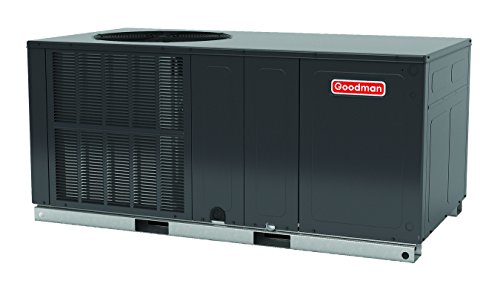
Goodman 3.5 Ton 14 SEER Package Heat Pump GPH1442H41
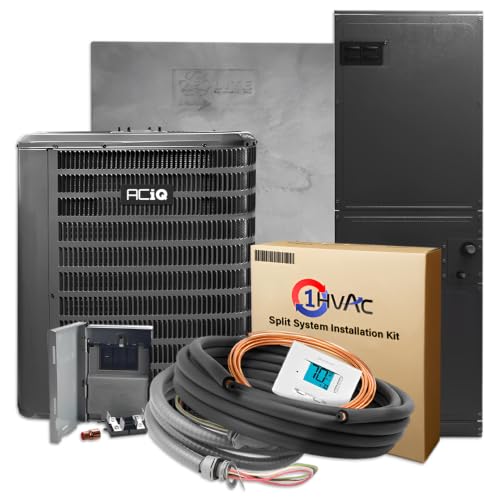
ACiQ 2.5 Ton 14.5 SEER2 R32 Heat Pump Split System
Upstreman 12,000 BTU DIY Mini Split Heat Pump 18 SEER2

Goodman 2.5 Ton 14 SEER Heat Pump GLZS4BA3010 System
The Details Behind The Selections
Bedrooms and small dens are where most people first meet a heat pump window unit, and this Midea model fits that role cleanly. The 8,000 BTU capacity covers up to 350 square feet, which is roughly a master bedroom with a sitting area or a home office that sees heavy use. The inverter compressor is the real story here: instead of cycling on and off noisily, it ramps output up and down, so you hear less of the unit and more of whatever podcast you’re halfway through.
Heating and cooling share the same chassis, so you get one installation rather than swapping appliances between seasons. Owners commonly report the electronic controls and included remote handle day-to-day adjustments without fuss. The white finish blends into most window frames, and the unit is light enough to mount in a standard double-hung window with the included hardware.
Notable Upsides
- Inverter technology keeps noise low and steady, a genuine win for light sleepers.
- Heat function handles chilly shoulder seasons without firing up the furnace.
- Dehumidifier mode helps muggy summer days feel more comfortable.
- Energy Star rated, so monthly running costs tend to stay reasonable.
Things To Consider
- Heat pump function stops working once outdoor temperatures drop near freezing, so you’ll still need a backup heat source in cold climates.
- Window mounting requires a sturdy frame and some help lifting, since the unit is heavier than a standard fan.
Feature Snapshot
Who It Suits Best
Apartment dwellers and homeowners with a single room that runs hot in summer and cool in fall benefit most from this Midea window unit.
Consider Something Else When
The Upstreman 12,000 BTU DIY Mini Split suits you better when you want to cool an open living area without sacrificing a window or tackling a permanent install.
The ROVSUN 8,000 BTU picks up where the Midea leaves off, layering in genuine smart home control for people who already talk to Alexa or Google Assistant. The cooling side handles rooms up to 350 square feet, while the heating output sits around 4,000 BTU, enough to take the chill off a bedroom during transitional months. The 115V/60Hz electrical spec is the standard household current in the US, so most rooms can power it without a dedicated line.
Where it stands apart is the app and voice integration. You can set the temperature from the couch or schedule it to warm up the room before your alarm goes off, which is a small luxury that adds up over a season. Compared to the Midea 8,000 BTU above, the trade-off is slightly less heating capacity for noticeably more connectivity.
Good Reasons To Consider
- Voice and app control feel less like a gimmick once you start pre-cooling the room from bed.
- Multi-mode design covers cooling, supplemental heat, fan, and dry settings in one box.
- Installation kit and clear window sash setup reduce the usual guessing game.
- LED display is bright enough to read across a small room without being blinding at night.
Worth Noting
- Heating output is modest, so don’t expect it to replace a real furnace in winter.
- Smart features depend on stable WiFi, which can frustrate households with patchy coverage.
Right Fit For
Smart home enthusiasts in smaller apartments who want voice and app control without upgrading their wiring benefit most from this ROVSUN unit.
Look Elsewhere When
The Midea 12,000 BTU window unit suits you better when you need to cover a larger open-concept area or want a higher heating output from the same form factor.
Open living rooms, finished basements, and converted lofts all share the same problem: a single 8,000 BTU window unit simply cannot keep up. The Midea 12,000 BTU steps in with coverage up to 550 square feet and the same inverter smarts as its smaller sibling, so it cools large spaces without buzzing like a hair dryer. The heat function adds the same multi-season value, useful for the same mid-range climate stretches.
It still mounts in a window rather than needing new ductwork, which is a real advantage for renters or anyone avoiding a permanent project. The remote and electronic controls are familiar if you have used the smaller Midea, so the learning curve is short. Compared to the ROVSUN above, you trade smart home features for raw capacity, which is a fair deal for many households.
Useful Strengths
- Higher BTU rating handles open floor plans that overwhelm smaller window units.
- Smart inverter control adjusts output smoothly, avoiding the harsh on-off cycling of older units.
- Energy Star rating helps offset the higher electrical demand of cooling bigger spaces.
- Dehumidifier mode is a quiet bonus for climates with sticky summer air.
Trade Offs
- Requires a wider, sturdier window opening, so measure before ordering.
- Heat pump cuts out in very cold weather, similar to the smaller Midea, so plan a backup heat source.
Quick Facts
Best Suited To
Homeowners cooling a single large open room without renovating their ductwork get the most value from this 12,000 BTU Midea.
A Better Fit Elsewhere
The ACiQ 2.5 Ton 14.5 SEER2 R32 Heat Pump Split System suits you better when you want to retire window units entirely and move to whole-home central air.
Package heat pumps consolidate every component into a single outdoor unit, which is why builders and replacement contractors reach for them in homes without a basement. The Goodman 3.5 Ton 14 SEER GPH1442H41 brings substantial capacity for medium-to-large homes, with the kind of straightforward serviceability that HVAC techs appreciate. Compared to the window units above, this is a permanent install, not a seasonal accessory.
Goodman has built a reputation around accessible parts and service-friendly layouts, and this model carries that forward with a factory-installed bi-flow liquid line filter dryer, aluminum fin coil, and a permanently lubricated motor on the condenser fan. None of that changes your daily life, but it tends to keep service visits shorter when something eventually needs attention.
What Pays Off
- 3.5 ton capacity suits whole-home replacement in mid-to-large houses.
- Single-package design simplifies installation in homes without attic or basement space.
- Serviceable internal layout reduces labor time for routine maintenance.
Room For Improvement
- 14 SEER is functional but less efficient than newer 15+ SEER2 options on the market.
- Requires professional installation and electrical work, adding to total project cost.
Made For
Homeowners replacing a full central system or building new on a slab foundation benefit most from this Goodman package unit.
Reach For A Different Pick When
The ACiQ 2.5 Ton 14.5 SEER2 R32 Heat Pump Split System suits you better when efficiency and modern refrigerant matter more than the package form factor.
Split systems separate the outdoor condenser from the indoor air handler, which makes them more flexible for homes with existing ductwork. The ACiQ 2.5 Ton split adds two modern touches: a 14.5 SEER2 rating (the updated efficiency standard) and R32 refrigerant, which has a lower global warming impact than older R410A. The 10kW heat kit and 30-foot line set are included, so the contractor can get to work without chasing missing parts.
The multi-positional air handler is the practical highlight, since it can be installed in a closet, attic, basement, or crawl space depending on your home’s layout. The ECM blower motor (an electronically commutated motor, meaning it uses less electricity than older PSC blowers) is another quiet upgrade. Compared to the Goodman package unit above, this split trades a single-cabinet convenience for higher efficiency and more install flexibility.
Advantages To Know
- R32 refrigerant is a meaningful environmental upgrade over older refrigerants still in many homes.
- 14.5 SEER2 efficiency helps lower monthly electric bills over the system’s life.
- Multi-positional air handler fits a wider range of homes, including those with limited space.
- ECM blower runs quieter and uses less power than older blower designs.
Points To Keep In Mind
- Split system install requires a qualified HVAC contractor with line-set brazing experience.
- 2.5 ton capacity suits mid-size homes, so larger houses may need supplemental cooling.
Key Product Details
Whose Shelf It Belongs On
Homeowners upgrading from an older R22 or R410A system who care about efficiency and modern refrigerants will appreciate this ACiQ split system.
Swap It Out When
The Goodman 2.5 Ton 14 SEER GLZS4BA3010 suits you better when brand familiarity and a strong parts warranty matter more than the latest efficiency rating.
Mini splits (ductless systems that connect an outdoor compressor to one or more indoor wall units) usually require a professional to vacuum the lines before charging with refrigerant. The Upstreman 12,000 BTU skips that step entirely with a pre-charged condenser and quick-connect valve design, so the install process is closer to assembling furniture than to traditional HVAC work. Coverage up to 750 square feet makes it competitive with central systems for single-room or garage conversions.
The 18 SEER2 rating is unusually high for a DIY-oriented unit, and WiFi control rounds out the feature set. Compared to the Midea 12,000 BTU window unit above, you lose the simple window mount but gain a more permanent solution with no window blocked. The 230V electrical requirement does mean some homes need a new outlet, which is worth confirming before you commit.
Where It Excels
- Pre-charged design eliminates the vacuum pump step that intimidates most DIY installers.
- 18 SEER2 efficiency is high for the category, helping offset the install effort over time.
- WiFi control lets you adjust settings from your phone or voice assistant.
- 750 sq ft coverage handles open living areas, large bedrooms, or shop spaces.
Some Limits To Know
- 230V electrical requirement may need a new circuit and outlet installed by an electrician.
- Wall-mounted indoor unit requires drilling through an exterior wall, so the install is permanent.
Who Should Grab It
Comfortable DIYers looking to add ductless cooling and heating to a garage, addition, or open living area benefit most from this Upstreman system.
Not Your Match When
The Midea 8,000 BTU window unit suits you better when you want a non-permanent install or do not want to deal with any electrical work.
Goodman has long been the contractor-friendly brand for replacement systems, and the 2.5 Ton 14 SEER GLZS4BA3010 keeps that tradition. The split system pairs the heat pump with the AMST30BU1300 multi-positional air handler, giving installers flexibility in attic, closet, or basement placements. A 10-year parts limited warranty applies when a qualified installer registers the system online, which is a meaningful long-term safety net for a permanent install.
It is not the flashiest system, but the parts availability and brand familiarity tend to make service calls quicker and cheaper. Compared to the ACiQ split above, you trade the newer R32 refrigerant and 14.5 SEER2 efficiency for a brand with deeper installer familiarity. For many households, that trade is worth it.
Everyday Perks
- Goodman’s parts network makes replacement components easy to source.
- 10-year parts warranty (with registration) protects against early component failures.
- Multi-positional air handler adapts to tight mechanical rooms or attic spaces.
Honest Caveats
- 14 SEER is the older efficiency standard and will cost more to run than SEER2 alternatives.
- Warranty requires online registration within 60 days of install, so paperwork matters.
Perfect Match For
Homeowners replacing an aging split system who want a recognizable brand and accessible service parts benefit most from this Goodman system.
Where A Sibling Pick Shines
The ACiQ 2.5 Ton 14.5 SEER2 R32 Heat Pump Split System suits you better when energy efficiency and modern refrigerant are higher priorities than brand familiarity.
Factors To Consider When Choosing Ac Heat Pump Units
Capacity and Room Size
BTU ratings (British Thermal Units per hour, a measure of how much heat a unit can move) need to match the space you are conditioning. Undersized units run constantly and never quite catch up on hot days. Oversized units cycle on and off rapidly, which shortens compressor life and can leave rooms feeling clammy. As a rough rule, 8,000 BTU handles around 350 square feet, 12,000 BTU covers up to 550 to 750 square feet, and 2.5 to 3.5 ton (a ton equals 12,000 BTU) units serve whole homes.
Window, Mini Split, or Central
Your home’s existing structure often makes the decision for you. Window units are non-permanent and renter-friendly but block natural light. Mini splits add a permanent wall unit but free up the window and cool larger spaces more efficiently. Central systems, including split and package heat pumps, require ductwork and professional install but condition the whole house from a single thermostat. Pick the type that matches your home and how long you plan to stay.
Cold Climate Performance
Heat pumps lose efficiency as outdoor temperatures fall, and most stop producing useful heat below around 41°F. If you live in a region with harsh winters, look for units with a low-temperature cutoff rating or plan to keep your existing furnace as a backup. Supplemental heat strips or a dual-fuel setup (where the furnace takes over below a set temperature) can bridge the gap.
Noise, Efficiency, and Smart Features
Inverter compressors (variable-speed units that adjust output rather than toggling on and off) are quieter and more efficient than single-speed models. SEER2 ratings (Seasonal Energy Efficiency Ratio 2, the updated federal standard) tell you the cooling efficiency, while HSPF (Heating Seasonal Performance Factor) speaks to heating efficiency. Smart features like WiFi and voice control are convenient but not essential, so weigh them against the cost difference.
Key Considerations Across These Picks
Mistakes Worth Dodging
A common slip is choosing a unit based on the lowest BTU number that fits the room, which leaves you sweating in August and shivering in October. Measure your room accurately and account for sun exposure, ceiling height, and heat-generating appliances. Another frequent misstep is forgetting about electrical requirements, especially for 230V mini splits that need a dedicated outlet. Always check your panel capacity before ordering.
When Paying More Pays Off
Higher-tier ac heat pump units earn their keep through inverter compressors, higher SEER2 ratings, and better refrigerant choices. The efficiency gains show up over years of monthly electric bills rather than on the purchase receipt. If you plan to stay in your home for a decade or more, a more efficient system usually pays back the upgrade cost. If you expect to move soon, a mid-tier option keeps upfront costs reasonable.