

Ac gear motors show up wherever something needs to turn slowly, steadily, and with real muscle: spit-roast kits, lab stirrers, turntables, conveyor sections, animated displays, small production tooling. The trick is matching the motor’s voltage, RPM, and torque to the job you have in mind, since each pick in this roundup is tuned for a very different slice of that work. Hobbyists building a barbecue rotisserie need slow turning and high torque, while line operators need adjustable speed and a controller in the box. Below is a shortlist that covers both ends, plus a few compact units that slot into DIY enclosures without a fight.
An Overview Of The Picks

VQP 250W AC Gear Motor with Speed Controller

Retafe 15RPM 10Kg.cm Synchronous Gear Motor 60KTYZ

Bringsmart 60KTYZ 5RPM Low Noise AC Gear Motor 110V
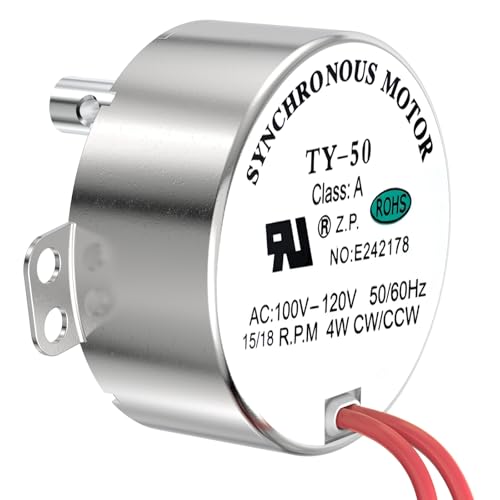
Karono 15-18RPM 4W UL Synchronous Motor 100-120V
CHANCS 50KTYZ 50/60RPM 6W Gear AC Motor 110V

CHANCS 60KTYZ 2.5-3RPM 80Kgf.cm Gear Motor

Bemonoc 6W 15RPM AC Gear Reducer Motor with Bracket
What Each Pick Brings To The Table
The VQP 250W single-phase unit shows up at the top because it ships as a complete drivetrain, with the motor, a gearbox, and a speed controller already in the box. The induction motor delivers about 16 Nm of torque, which is the rotational force that helps a motor push through resistance without stalling, and tops out around 135 RPM once the gearbox and controller are factored in. Direction is reversible, so you can run a conveyor forward, then flip it for a return stroke, all from a single-phase 110V wall outlet.
Workshop owners running light production lines, small mixers, or even motorized shop doors tend to appreciate having speed and direction in one package. The gearbox reduces the raw motor speed while multiplying torque, so the controller can dial in anything from a slow crawl to a brisk turn.
Everyday Advantages
- Variable speed dial means no rewiring to change pace mid-run.
- Reversible direction saves buying a second motor for back-and-forth motion.
- 250W rating covers most benchtop machines, from stir plates to small mills.
- Single-phase 110V plugs into a standard outlet, no special wiring required.
- 16 Nm of torque handles heavier loads than the small synchronous motors on this list.
Things To Consider
- Larger footprint than the compact synchronous units, so plan bench space.
- For a slow rotisserie at 2-3 RPM, the Bemonoc or CHANCS 60KTYZ options fit better.
Key Specs
Whose Workbench It Belongs On
Small-shop operators and serious tinkerers who want speed control and torque in one kit, and don’t mind a larger footprint.
Swap It Out When
The CHANCS 60KTYZ 2.5-3RPM geared motor is a better match when the project needs extreme slow turning with very high torque, like a loaded rotisserie.
The Retafe 60KTYZ is a synchronous gear motor, meaning it runs at a fixed speed locked to the AC line frequency rather than ramping up gradually. At 15 RPM output and 10 kg·cm of torque, it sits in a sweet spot for beverage machines, label dispensers, and any agitating project that needs steady, predictable motion. The dual-bearing design helps the shaft stay quiet under load, and the 115V/60Hz rating suits North American wall power.
Direction can be flipped to CW or CCW, which is handy for prototyping where you sometimes need the gear to pull instead of push. Compared to the 5 RPM Bringsmart below, this Retafe gives up some torque for a faster turn, so it fits projects where you want visible motion without dragging a heavy load.
Points In Its Favor
- Steady 15 RPM output pairs well with mid-speed stirring and dispensing jobs.
- Dual-bearing shaft tends to run quieter and last longer under repeated starts.
- Reversible direction adds flexibility during setup and testing.
- Compact enough to drop into tight enclosures or vending-class machines.
Trade Offs
- Fixed speed means no dial-in adjustment; choose RPM before ordering.
- Lower torque ceiling than the 80 kgf·cm CHANCS for heavy rotisserie loads.
Right Fit For
DIYers wiring beverage stirrers, lab stir plates, or small turntables who want set-and-forget slow rotation.
Reach For A Different Pick When
The Bringsmart 60KTYZ 5RPM motor makes more sense for very slow, low-noise projects where extra torque at crawl speed matters.
The Bringsmart 60KTYZ is a claw-pole permanent magnet synchronous motor, which is a design that locks rotation to the line frequency and is known for low noise and high efficiency. Output is just 5 RPM, with torque in the 5 to 7.5 kg·cm range, so it is built for projects where slow, quiet, and reliable matters more than raw pulling power. The 60 x 60mm motor body fits common mounting plates, and direction is set by adjusting wiring rather than flipping a switch.
Backyard cooks running a barbecue rotisserie at a gentle pace, or prop makers needing a turntable that does not buzz, will find the noise floor here especially welcome. Compared to the Retafe, you trade half the RPM for noticeably less hum at idle.
Benefits That Matter
- 5 RPM output is ideal for low-and-slow rotisserie cooking.
- Permanent magnet synchronous design keeps noise to a whisper during long runs.
- Small 60 x 60mm footprint drops into tight mounting setups.
- Reversible by adjusting wiring, no controller required.
Points To Keep In Mind
- Lower torque ceiling than the 80 kgf·cm CHANCS for very heavy spits.
- Wiring-based direction change is less convenient than a switchable controller.
Made For
Home cooks and prop builders who want slow, near-silent rotation for barbecue setups or display turntables.
Another Choice May Suit
The CHANCS 60KTYZ 2.5-3RPM model suits cooks running heavier spits who want even more torque at crawl speed.
The Karono synchronous motor is the smallest, lightest pick in this roundup, with a body designed for embedded installs and hobbyist projects. The shaft is 7mm in diameter and 16mm long with an M4 thread, which is a metric fastener pattern that accepts common hardware, so mounting to a bracket or housing is straightforward. Output is 15 to 18 RPM at 4W, with cold-state torque above 2.5 kg·cm and dual 50/60Hz operation.
Anyone building a small animated display, a custom fan, or a science project that just needs the shaft to turn reliably will appreciate how little space this takes. The UL listing, which means the motor has passed safety testing by a recognized lab, also makes it a calmer choice for installations that have to meet a building or classroom standard.
Features That Help
- Compact, lightweight body fits inside custom enclosures without rework.
- Dual-frequency 50/60Hz operation works with most international mains.
- Reversible direction supports prototyping without rewiring the driver.
- UL listing adds confidence for classroom or commercial builds.
Honest Caveats
- Only 4W of power, so heavy loads will stall it quickly.
- Fixed speed range; no controller included for fine adjustment.
Feature Snapshot
Who Will Love This
Makers and hobbyists building compact DIY rigs, school projects, or low-load animated props.
Skip It When
The VQP 250W AC gear motor is the right step up when the project needs real torque and adjustable speed, not just a small turn.
The CHANCS 50KTYZ runs noticeably faster than the other synchronous motors on this list, with output between 50 and 60 RPM. Torque is on the lighter side at 1.4 kg·cm, so this is the pick for jobs that need visible motion at moderate speed rather than heavy load pulling. The 7mm shaft and 14.5mm length, paired with 110 to 130V input, make it a drop-in for many vending, display, and small turntable applications.
Operators who run cycles all day, like retail displays or holiday props, get a motor that is rated for long runtimes without overheating. The 6W draw stays easy on the circuit even when the motor is on the clock for hours.
Practical Advantages
- 50 to 60 RPM output suits display-style projects that need visible motion.
- Low 6W draw keeps it running cool during long daily cycles.
- CW or CCW rotation set by wiring, no extra switch needed.
- Compact body fits inside custom-built enclosures and props.
Potential Drawbacks
- 1.4 kg·cm torque is light; pushing any real load will stall it.
- Fixed speed means no dial-in, so matching RPM to the build is critical.
Who Should Grab It
Prop builders and small-business owners who want a steady moderate-speed motor for displays, vending kits, or signs.
Where Another Pick Suits Better
The Retafe 15RPM motor fits builds needing slower, more deliberate rotation with stronger torque.
The CHANCS 60KTYZ 2.5 to 3RPM is the torque champion of this list, putting out 80 kgf·cm at crawl speed for serious load-bearing work. The claw-pole permanent magnet synchronous design keeps power consumption low, the noise level quiet, and the weight light enough to mount on a spit frame without flex. Reversible direction is set by adjusting wiring, so back-and-forth cycling is doable on a rotisserie or display turntable.
For full-size barbecue builds or any project where a stalled motor means a ruined cook, this is the safer bet. Compared to the Bringsmart 5RPM, you give up a little speed for a giant jump in torque.
Strong Points
- 80 kgf·cm torque handles heavy spits, turntables, and loaded displays.
- 2.5 to 3 RPM is gentle enough for slow-cook barbecue timing.
- Low power draw and quiet operation suit long unattended runs.
- Reversible rotation supports creative mounting and direction needs.
Where It May Fall Short
- Slower than the Bringsmart, so projects needing slightly faster turning may want the 5RPM option.
- Wiring-based direction change is less convenient than a switchable controller.
Feature Rundown
Best Suited To
Backyard pitmasters and small-cafe kitchens running full-size rotisserie spits or other load-bearing slow turns.
Not Your Match When
The Bemonoc 6W 15RPM gear reducer is a smarter pick for workbench projects that want a speed controller in the box.
The Bemonoc 6W gear reducer motor closes out the list as a workshop-friendly bundle: 1:90 reduction ratio, around 26.6 lb·in of max torque, an 8mm output shaft, plus a mounting bracket and a speed controller in the box. Speed is adjustable from 0 to 15 RPM, and the unit runs on standard 110V at 50/60Hz. Reversible CW/CCW rotation is included.
Anyone setting up a small production line, indexing table, or workbench automation rig will appreciate that the bracket, controller, and motor all show up together. Compared to the VQP 250W unit earlier, you give up raw power for a smaller, cleaner package that suits tighter cells.
Good Reasons To Consider
- Bundled controller and bracket speed up installation on small lines.
- 0 to 15 RPM adjustable range covers most workbench automation tasks.
- Reversible rotation handles feed-and-return or indexing cycles.
- 50/60Hz operation supports international mains without rewiring.
Things To Consider
- 26.6 lb·in is plenty for light line work, but not for heavy industrial loads.
- 6W draw means the controller can handle speed but not heavy stalls without thermal stress over very long duty cycles.
Quick Facts
The Right Fit
Workshop tinkerers and small-line operators who want a controller, bracket, and motor in one tidy bundle.
Look Elsewhere When
The VQP 250W AC gear motor is the upgrade path when you need serious torque and faster top speed for larger shop tools.
Matching Motors To Real Projects
Picking the right ac gear motor starts with three numbers: voltage, RPM, and torque. Voltage has to match the available mains, which on this list is mostly 110V or 115V at 50/60Hz, so most North American shops can plug straight in. RPM is the next decision, and it depends on what is actually being turned, since a barbecue rotisserie wants 2 to 5 RPM while a stir plate or label dispenser may want 15 to 60 RPM. Torque, the rotational force that resists stalling, comes last but matters most for anything that drags a load.
The “synchronous” label on most of these units means the motor runs at a speed locked to the AC line frequency, so 60Hz mains give a fixed RPM that does not drift. That is great for repeatable timing, but it means there is no dial to slow it down. If you need adjustable speed, look for a model that ships with a controller, like the VQP or the Bemonoc. Direction matters too, and most of these units can be wired CW or CCW, though some require adjusting the wiring rather than flipping a switch.
The final factor is the duty cycle, or how long the motor is expected to run before cooling off. Synchronous claw-pole designs like the Bringsmart and CHANCS 60KTYZ tend to run cool and quiet for long stretches, which suits unattended projects. Induction-style units with controllers may need ventilation around the speed control box, especially in enclosed cabinets.
Where Shoppers Slip Up
Wrong Turns To Avoid
The most common mistake is matching RPM to the project without checking torque. A motor that spins at the right speed will still stall instantly if its torque rating is below the load’s resistance, especially once gear friction is factored in. Equally common is grabbing a 220V-only unit for a 110V workshop, or assuming a synchronous motor will behave like a DC motor with a potentiometer dial.
The Case For Spending Up
Higher-tier gear motors usually cost more for three reasons: better internal bearings, lower noise under load, and a controller or bracket that does not have to be sourced separately. For a one-off hobby project, the budget synchronous motors here are plenty, but for a project that runs daily or carries a heavy load, the upgrade pays back in longer service life and fewer stalls. The CHANCS 60KTYZ 80 kgf·cm and the VQP 250W kit are the two picks where spending up makes the most sense for serious builds.
Frequently Asked Questions
What does RPM mean on an ac gear motor?
RPM is revolutions per minute at the output shaft after the gear reduction, so a 5 RPM motor turns the shaft five times per minute, which is the right pace for slow rotisseries and turntables.
How is torque different from speed?
Torque is the rotational force the motor can apply, and speed is how fast the shaft turns. Higher torque lets the motor push through heavier loads, while higher speed delivers faster motion, with the two usually trading off inside the gearbox.
Can these motors run continuously?
The synchronous claw-pole designs in this list are built for long runtimes at low RPM, while the controller-driven units are best run with ventilation around the control box to manage heat on heavy duty cycles.
Do I need a separate speed controller?
Only if the motor is not synchronous, or if you want adjustable speed. Fixed-speed synchronous motors like the Retafe, Karono, and CHANCS models run at a set RPM with no extra hardware needed.
Are these motors reversible?
Most of the picks here support CW and CCW rotation, though some require adjusting the wiring rather than flipping a switch, so check the wiring notes before mounting the motor in tight spaces.