

A working air conditioner produces more water than most people realize, and a single pan overflow can stain drywall, warp baseboards, or quietly feed mold in a closet. The right drain pan turns that risk into a non-event, whether you run a closet mini-split, a basement dehumidifier, or a full attic HVAC air handler. This shortlist covers the seven options that handle those jobs most reliably, mixing dedicated HVAC condensate pans with multi-purpose drip trays and a flexible silicone mat.
The Shortlist At A Glance
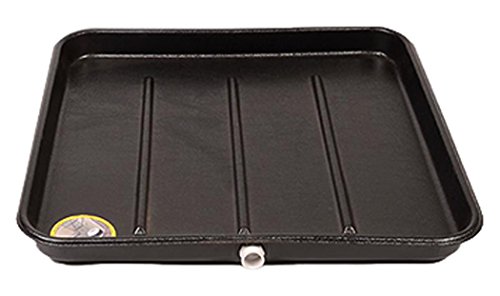
DiversiTech 6-2626L Secondary Plastic Condensate Pan 26″x26″

VANPET 22″x21″ Mini Fridge Drip Pan (1 Pack)

VANPET 22″x21″ Mini Fridge Drip Pan (4 Pack)

VANPET 22″x21″ Mini Fridge Drip Pan (2 Pack)

DiversiTech 6-2748L Secondary Plastic Condensate Pan 27″x48″

Sptnabv Silicone Mini Fridge Mat 23.6″x19.7″

F and L Galvanized Steel HVAC Condensate Pan 22″x22″x2″
What Each Pick Brings To The Table
The DiversiTech 6-2626L is the kind of pan HVAC techs reach for by default, and for good reason. It is purpose-built as a secondary catch basin that sits beneath an air handler or evaporator coil, catching overflow if the primary condensate pan ever fails. A 26″x26″ footprint suits many standard residential air handlers, and the black ABS plastic body stays out of sight in a closet or attic.
For homeowners with split systems or attic units, this pan offers a quiet safety net without much fuss. It slides into place under the unit and does its job in the background, which is exactly what you want from a part you’ll rarely see.
What Makes Sense
- Reinforced rolled edges add stiffness, so the pan holds its shape even after years under a heavy air handler.
- ABS plastic resists the mild acids sometimes found in condensate, extending service life.
- 26″x26″ sizing matches a wide range of residential indoor units, simplifying selection.
- Lightweight body makes installation in tight attic spaces far less awkward than metal alternatives.
Trade Offs
- Plastic construction can eventually crack under prolonged UV exposure if installed in a sunlit area.
- You may need a separate float switch or auxiliary drain line to detect overflow and shut the system down.
Key Specs
Best Suited To
Homeowners running a standard residential split or attic air handler who want a trusted secondary pan that slips in without a custom build.
Look Elsewhere When
The DiversiTech 6-2748L is a smarter pick if your air handler is unusually wide and the 26″ pan leaves exposed gaps on the sides.
The VANPET 22″x21″ tray is a flexible workhorse that earned a spot here because it does many small jobs around the house without committing to a permanent install. Its 22.8″x21.6″ footprint tucks under mini fridges, portable air conditioners, compact washers, and dishwashers, and the 1.2-inch depth is enough to hold roughly two gallons before you need to empty it.
Dorm rooms, garage apartments, and laundry corners benefit most from a single tray you can slide in, ignore, and wipe clean later. It is a low-fuss solution for the sort of leak you only discover when the floor feels damp.
Where It Delivers
- Two-gallon capacity handles a full mini fridge defrost cycle without overflowing onto flooring.
- Low 1.2″ profile keeps the appliance stable and level rather than perched on a raised ledge.
- Multi-purpose sizing works under portable AC units, small washers, and dishwashers too.
Worth Noting
- Single-pack means you have no spare ready when this one fills up during a long weekend away.
- Lightweight plastic can shift slightly if the appliance is repeatedly rolled on and off for cleaning.
Whose Shelf It Belongs On
Anyone outfitting a dorm, guest room, or rental unit with a single mini fridge or portable AC who wants a simple catch tray with no installation.
Reach For A Different Pick When
The VANPET 2-pack suits you better if you’d like a backup tray in rotation, or the Sptnabv silicone mat if you need something foldable for storage.
The two-pack version of the VANPET tray addresses the most common complaint about single drip pans: they always need emptying at the worst time. With two identical 22.8″x21.6″ trays, you can swap a full pan for an empty one and clean the original at the sink without rushing.
It’s a thoughtful setup for households running more than one small appliance, or for landlords who want a spare tray staged at each rental. Compared with the single pack, the per-tray cost drops a little, which makes the bundle feel practical rather than wasteful.
What Earns Its Place
- Two-tray rotation eliminates the awkward moment of pulling out a half-full pan mid-cleaning.
- Same generous two-gallon capacity as the single-pack version.
- Useful for landlords placing trays in multiple units without reordering later.
A Few Limitations
- Bulk storage of two rigid trays takes up closet space you may not have.
- Plastic is functional, not decorative, so it stays hidden under appliances where it counts.
Feature Snapshot
Perfect Match For
Rentals, shared spaces, and homeowners who run two small appliances and want a fresh tray always within reach.
Swap It Out When
The VANPET 4-pack is the right call if you maintain several units or want trays staged across a basement, garage, and main floor.
The four-pack version of the VANPET tray is a smart match for households juggling several appliances at once. You can dedicate one tray to the basement dehumidifier, one to the garage fridge, and still keep spares in rotation. Same 22.8″x21.6″ footprint, same two-gallon capacity, just multiplied across a busy home.
For property managers and multi-room setups, this bundle beats the single pack on per-tray value and removes the hassle of reordering later. It also pairs well with the DiversiTech pans if your main HVAC needs a dedicated safety net upstairs.
Everyday Advantages
- Four trays cover multiple rooms and appliance types in one purchase.
- Two-gallon capacity per tray means fewer trips to the sink for emptying.
- Versatile enough to use as an oil drain pan for automotive work in a pinch.
Points To Note
- Four rigid trays demand shelf or floor space for storage when not in active use.
- Plastic construction, while serviceable, does not match the long-term durability of metal options like the F and L galvanized pan.
The Right Fit
Homeowners with several small appliances, rental property managers, and hobbyists who want a drip tray in every corner of the house.
Skip It When
The DiversiTech 6-2626L is a better fit if your priority is a single dedicated HVAC safety pan rather than scattered appliance trays.
The DiversiTech 6-2748L is the larger sibling to the 6-2626L and exists for oversized air handlers, light commercial equipment, and residential attic units with broader footprints. At 27″x48″, it covers a much wider area, which is the point: a secondary pan that does not extend past the edges of the equipment is a secondary pan that fails when condensate runs sideways.
Contractors installing larger split systems often default to this size because the safety margin is built in. For homeowners with a big attic handler, it offers peace of mind that the 26″x26″ version cannot match.
Reasons It Performs
- 27″x48″ coverage handles full-size residential and light commercial air handlers cleanly.
- Reinforced edges support the weight of larger equipment without bowing.
- Black ABS body keeps the pan out of sight in utility spaces.
Honest Caveats
- Oversized for compact closet installations where the 6-2626L would be a tidier fit.
- Plastic construction means the pan can flex slightly when carried without a rigid base underneath.
Feature Snapshot
Who It Suits Best
Homeowners and contractors who want a safety pan that fully covers a wide attic or basement air handler without exposing the floor to overflow.
A Better Fit Elsewhere
The DiversiTech 6-2626L is the smarter pick for tighter closet installations where the 48-inch length is more pan than you need.
The Sptnabv silicone mat takes a different approach from the rigid plastic trays earlier in this list. Instead of a deep basin, it is a flexible, raised-edge mat that sits beneath your appliance and contains spills and slow leaks without forcing you to wrestle with a heavy pan. The 0.6-inch raised lip is enough to corral the kind of drips a mini fridge or portable AC produces during a defrost cycle.
Renters and apartment dwellers benefit most because the mat rolls or folds for storage, ships light, and lifts easily for routine floor cleaning. Compared with the VANPET trays, it trades raw capacity for flexibility and ease of handling.
Standout Benefits
- Flexible silicone body rolls up for storage in a closet drawer when not in use.
- Raised 0.6″ edge contains the slow drips common with mini fridge defrost cycles.
- 23.6″x19.7″ footprint fits most compact fridges, wine coolers, and small freezers.
Where It Is Less Suited
- Lower profile than rigid trays, so a sudden large leak can spill past the raised edge faster than a deep basin would allow.
- Silicone surface can attract dust and pet hair in open living areas and benefits from a quick wipe-down now and then.
Who Should Grab It
Apartment renters, dorm residents, and minimal-storage households who want a rollable leak barrier rather than a bulky plastic tray.
Consider Something Else When
The VANPET 22″x21″ tray holds more liquid, making it a better pick for unattended appliances in basements or garages where a larger spill is more likely.
The F and L galvanized steel pan is the most permanent option in this lineup, aimed at homeowners and pros who want a long-term HVAC install. Galvanized steel resists rust far better than plain sheet metal, and the 22″x22″x2″ dimensions provide a deep reservoir for unexpected overflow. A hole-drilling option lets you match the pan to your drain line layout rather than the other way around.
Where the DiversiTech pans prioritize lightweight convenience, this one prioritizes longevity. For a basement air handler that you genuinely want to forget about for a decade, the steel build is reassuring.
Useful Strengths
- Galvanized steel body stands up to years of exposure to mild acidic condensate.
- 2-inch depth provides meaningful spill capacity for unexpected overflow events.
- Available with or without a pre-drilled hole, accommodating custom drain routing.
Things To Consider
- Heavier than plastic pans, so installation in tight attic spaces takes more effort.
- Steel can dent if handled roughly during transport or fitting.
Feature Rundown
Who Will Love This
Homeowners and HVAC pros installing a long-term condensate safety pan in a basement, utility room, or workshop where a metal build is preferred.
Another Choice May Suit
The DiversiTech 6-2626L is easier to carry and install if the attic is cramped and a lighter plastic pan gets the job done for you.
Key Factors That Separate A Good Drain Pan From A Bad One
Match The Pan To The Equipment, Not The Other Way Around
A drain pan that does not extend beyond the footprint of your air handler defeats its own purpose. Always measure the base of your unit, including any side rails or mounting brackets, and select a pan that extends several inches past on every side. Condensate travels along the bottom of the unit before it drips, and a small gap on one edge can route water straight onto drywall.
For mini fridges and portable ACs, leave enough clearance to pull the appliance forward for cleaning without dragging the pan. A 22″x21″ tray under a 20″x18″ fridge gives you that buffer.
Understand The Difference Between Primary And Secondary Pans
A primary pan is built into the equipment and handles everyday condensate, while a secondary pan is the safety net you install below it. Building codes in many regions now require a secondary pan with a drain line for attic air handlers, because an unnoticed primary-pan failure can dump gallons of water into a ceiling.
If you are buying only one pan, the DiversiTech 6-2626L or 6-2748L models are true secondary pans designed for that role. The VANPET trays and the Sptnabv mat are better suited as floor protection beneath small appliances, not as code-compliant HVAC safety pans.
Material Choice Reflects The Installation Environment
Plastic pans are light, easy to handle, and resistant to mild acids in condensate, which is why they dominate residential installs. Galvanized steel adds longevity and rigidity, but adds weight and installation effort. Silicone mats are flexible and renter-friendly, but they hold far less liquid than rigid basins.
Choose based on where the pan will live: plastic for attics and closets, steel for permanent basement or utility-room installs, silicone for portable and small-appliance use.
Capacity And Drain Routing Matter More Than People Expect
A deep pan buys you time before overflow becomes a problem, and a routed drain line turns the pan from a holding tank into a managed system. If your secondary pan sits above a finished ceiling, pairing it with a float switch and a dedicated drain to the exterior is the most reliable approach. For mini-fridge and portable-AC trays, capacity simply means fewer trips to empty the pan during humid months.
Smart Choices That Pay Off Down The Road
Pitfalls Shoppers Hit
The most common mistake is buying a pan that matches the air handler footprint exactly, leaving no safety margin. Another frequent issue is installing a secondary pan without a drain line or float switch, so it silently fills for months before anyone notices. Picking a plastic pan for a sunlit attic or outdoor enclosure is also a setup for early UV damage.
Where The Extra Money Goes
Higher-tier galvanized steel pans cost more because the material resists corrosion for decades, and deeper reservoir designs reduce the chance of an overflow event reaching the floor below. The upgrade pays off most in permanent HVAC installations where accessibility is limited and a pan failure would mean a ceiling repair. For portable appliances and short-term setups, the extra cost usually returns less value than a few extra rigid plastic trays staged around the home.
Frequently Asked Questions
What Size Drain Pan Do I Need For My Air Conditioner?
Measure the base of your indoor unit and add a few inches of clearance on every side. Most residential air handlers fit a 26″x26″ secondary pan, while larger attic units often need a 27″x48″ pan to cover the full footprint.
Can I Use A Mini Fridge Drip Pan Under An HVAC System?
Drip trays designed for mini fridges and portable ACs are not built to HVAC code and typically lack the rigidity and depth required for a true safety pan. They work as floor protection for small appliances, but a dedicated HVAC secondary pan is the right choice for an air handler.
How Often Should I Check A Secondary Drain Pan?
Inspect the pan at the start of cooling season and again at least once midseason, especially if your system runs for long stretches. A working float switch or moisture alarm can flag a problem between checks.
Do Galvanized Steel Pans Last Longer Than Plastic Pans?
Galvanized steel generally outlasts plastic when properly installed indoors, because it resists warping and UV damage. Plastic pans remain a sensible choice in attics and closets where weight and ease of handling matter more than decades of service life.
Can These Pans Be Used Outdoors?
Plastic and silicone pans hold up better outdoors than steel in many cases, because steel can corrode if its galvanized coating is scratched during installation. For outdoor condenser units, look for a pan specifically rated for exterior exposure rather than repurposing an indoor model.