

Your outdoor AC unit works hard through every season, and a properly fitted cover keeps falling leaves, ice, and UV rays from shortening its life. Whether you live in a snowy northern climate or a sun-baked southern one, the right cover can prevent rust, clogged fins, and costly compressor repairs. This shortlist covers central units, window models, and indoor inserts so you can match the cover to your exact setup. Pick based on unit type, climate severity, and whether you need airflow or full sealing.
How The Shortlist Stacks Up
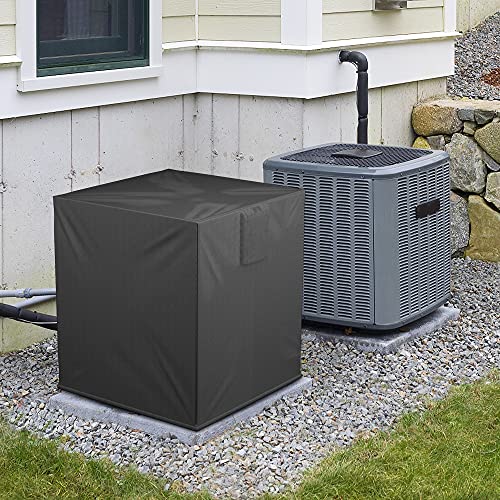
HOXHA Air Conditioner Cover 24x24x30 Central AC Unit Covers
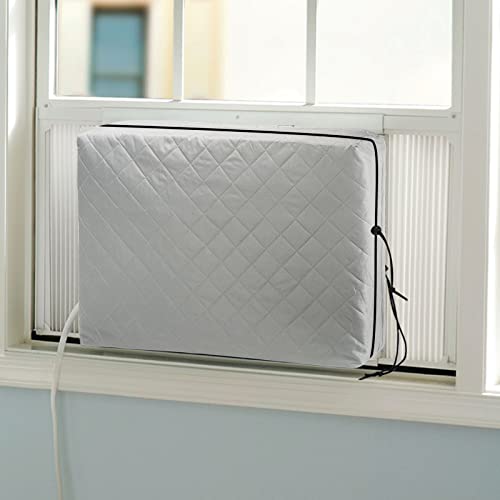
HOXHA Indoor Window AC Cover 21Lx15Hx3.5D
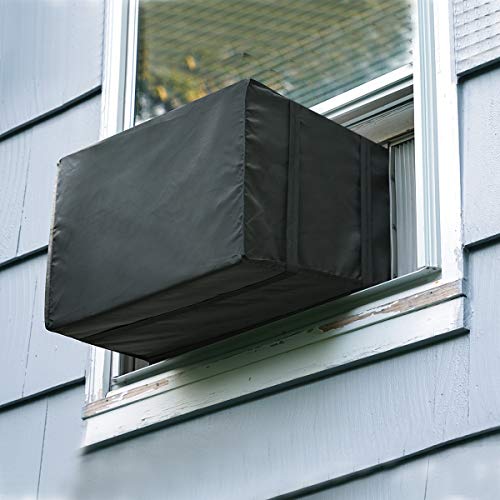
Luxiv Window AC Unit Cover Outdoor Black Waterproof 25.5X20.5X18In
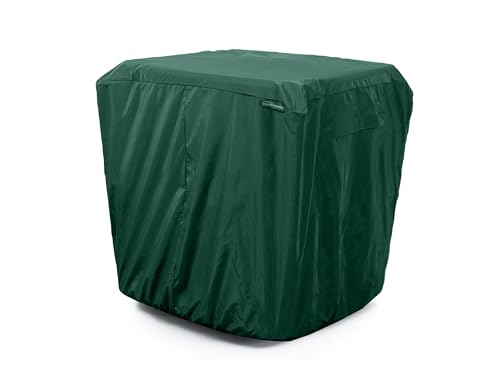
Covermates Classic Heavy-Duty AC Cover 30W x 30D x 32H Green

COVERTIFY Central AC Cover 36×36 Mesh Breathable Defender

COVERTIFY AC Cover 28×28 Mesh Airflow Central Unit

COVERTIFY Central AC Cover Mesh 36×36 Grey
A Breakdown Of The Leading Choices
The HOXHA outdoor cover takes a refreshingly simple approach: slip it over your central unit, pull the drawstring tight, and walk away. At 24 by 24 by 30 inches, it fits the most common residential condenser footprints without forcing you to measure twice.
Homeowners with standard pad-mounted condensers will appreciate the vented design, which channels airflow while still shedding rain and leaf litter. You may find the single-side drawstring slightly fussy on uneven ground, but a second strap is included for better anchoring.
Points In Its Favor
- Slip-on installation takes under two minutes with no tools
- Vented body reduces trapped condensation during shoulder seasons
- Includes a free extra drawstring for reinforcement
- Full top-to-bottom coverage blocks falling debris effectively
Things To Consider
- The single drawstring may loosen in high wind without the backup strap tied
- Thinner fabric than premium vinyl options for severe climates
Who It Suits Best
First-time cover shoppers with a standard-sized central unit in a mild-to-moderate climate who want a quick, no-fuss install before winter sets in.
Where Another Pick Suits Better
Homeowners in heavy-snow regions should consider the Covermates Classic Heavy-Duty AC Cover, which offers thicker commercial-grade vinyl for harsher exposure.
While the rest of this list tackles outdoor exposure, this HOXHA insert solves the opposite problem: cold air leaking into your living room through an unused window unit. The double-layer polyester with embedded cotton creates a thermal break between the cold glass and your warm interior.
For anyone who removes the AC in summer and wants to keep winter heating bills down, this cover is the missing piece. It’s a different category than the other items here, but a common companion piece for window-AC households.
A Strong Showing
- Double-layer fabric blocks drafts and reduces heat loss noticeably
- Lightweight slip-on design stores flat in a closet in spring
- Affordable insulation upgrade for winterized window units
Honest Caveats
- Sizing is specific; measure your unit before ordering to avoid returns
- Not designed for outdoor weather protection
Key Advantages
Made For
Window-AC owners in cold-weather states who store their unit indoors during winter and want to stop paying to heat the great outdoors.
Skip It When
If your AC is still installed in the window through winter, you need an outdoor cover like the Luxiv Window AC Unit Cover instead, since this indoor insert won’t block rain or snow.
The Luxiv cover steps things up with 420D Oxford fabric, a noticeably tougher weave than the entry-level poly covers in this roundup. A silver inner layer adds a reflective barrier that bounces radiant heat away from the unit, which matters for south-facing installations that bake in summer sun.
If your window AC stays mounted year-round, the double-strap design keeps the cover from sailing off in a winter gust. It’s a better fit for 7,000 to 12,000 BTU window units, which covers most residential installs.
The Value In It
- 420D Oxford fabric resists tearing from ice and wind-driven debris
- Silver-coated interior reflects UV that degrades cheaper covers
- Washable surface simplifies spring cleanup
- Double-strap anchors reduce blow-off risk on upper floors
Minor Gripes
- Black color absorbs heat; may not suit extreme-sun exposures without ventilation
- Sizing is specific to mid-size window units, so measure carefully
Best Suited To
Apartment dwellers and homeowners with a permanently installed window AC exposed to rain, wind, and winter freezes who want a cover that outlasts a single season.
Look Elsewhere When
You have a central condenser rather than a window unit, in which case the COVERTIFY mesh covers offer a more breathable top-only fit.
Covermates takes a different angle entirely with a 12-gauge commercial-grade vinyl shell, the heaviest material in this roundup. The polyester lining adds internal structure so the cover holds its shape rather than collapsing onto the coil fins, which can deform delicate aluminum components under snow load.
This is the cover for the person who treats their outdoor unit like a long-term appliance, not a seasonal afterthought. In regions with heavy snow, ice dams, and wind-driven rain, the extra material weight earns its keep.
Key Advantages
- Commercial-grade vinyl resists UV cracking over multiple seasons
- Internal polyester lining prevents fabric sag onto sensitive coils
- Full enclosure blocks twigs, ice, and animal nesting attempts
- Water-resistant seams shed pooling water during thaw cycles
Points To Note
- Heavier fabric may require two hands and a step stool to position
- Less breathable than mesh designs, so remove promptly in spring to prevent moisture trapping
Feature Snapshot
Who Should Grab It
Homeowners in snowy northern climates who want a multi-season cover and don’t mind spending a few extra minutes wrestling the heavier material into place.
Consider Something Else When
You live in a humid coastal area where airflow matters more than sealing; the COVERTIFY 36×36 mesh cover keeps the unit breathing while still blocking debris.
COVERTIFY takes the mesh approach seriously, shaping a diamond-perforated resin top that lets your condenser breathe while still blocking the worst debris. Airflow is the key selling point: trapping moisture against the coil invites rust, so a ventilated cover often outlasts a sealed one in shoulder seasons.
The 36 by 36 footprint targets larger residential units. You may find the top-only design leaves the sides exposed to sideways rain, which is a fair trade-off for the cooling efficiency you preserve.
The Practical Payoff
- Resin mesh construction resists temperature swings without cracking
- Diamond perforations optimize airflow and heat dissipation
- Lightweight enough to install one-handed from a step stool
Trade Offs
- Top-only design leaves the cabinet sides exposed to wind-driven precipitation
- Not a substitute for full enclosure in heavy snow regions
Tech Specs At A Glance
Whose Shelf It Belongs On
Homeowners in mild climates who run the AC into late fall and want year-round debris protection without the moisture risk of a sealed cover.
Reach For A Different Pick When
You face genuine winter snow loads, since the Covermates Classic Heavy-Duty AC Cover offers the full-enclosure protection mesh cannot match.
The smaller sibling in the COVERTIFY mesh family trades coverage area for a tighter fit on compact condensers. At 28 by 28 inches, it targets the smaller residential and townhome units that don’t need a full 36-inch top.
Same breathable resin construction, same airflow-first philosophy. In our view, this is the right pick when the larger COVERTIFY would drape and catch wind like a sail.
Everyday Wins
- Right-sized 28-inch footprint for compact condensers
- Same airflow-forward mesh philosophy as its larger sibling
- Resists high temperatures without warping or brittleness
Less-Strong Areas
- Won’t fit larger 36-inch residential units
- Same top-only limitation as the larger COVERTIFY cover
Quick Facts
Right Fit For
Townhome and condo owners with right-sized condensers in mild climates who want debris protection without smothering airflow.
Another Choice May Suit
Homeowners with full-size 36-inch units should step up to the COVERTIFY Central AC Cover 36×36 for proper coverage without overhang.
The grey 36 by 36 COVERTIFY cover rounds out the mesh lineup with a four-strap mounting system that tightens the cover against the cabinet. That’s a meaningful upgrade over slip-on designs when your condenser sits in an exposed side yard where wind finds every loose edge.
It’s the same breathable mesh formula that defines this brand, so the trade-offs stay consistent: excellent airflow, limited side protection. The neutral grey tone hides dust and pollen better than black alternatives.
Useful Touches
- Four-strap system resists wind lift in open-yard installations
- Grey color masks dust and weathering between cleanings
- Diamond perforation pattern maintains airflow like the other COVERTIFY covers
Practical Considerations
- Strap adjustment adds a few extra minutes to install time
- Still top-only coverage; sides remain exposed in sideways rain
Feature Rundown
Perfect Match For
Homeowners with full-size condensers in breezy, open landscapes who need a breathable top cover that won’t sail away in the first storm.
Swap It Out When
You need full side protection against heavy snow, in which case the Covermates Classic Heavy-Duty AC Cover is the right call.
What To Weigh Before Buying Ac Cover Outdoors
Climate Severity Drives The Build
Your local weather tells you which material to prioritize before any other factor. In regions with genuine winter freezes, ice, and snow load, a sealed vinyl cover like the Covermates Classic delivers the protection that mesh simply cannot. In mild climates where the main threats are leaves, pollen, and summer UV, a breathable mesh top from COVERTIFY preserves airflow and avoids the moisture-trap problem sealed covers can create. Matching the build to the climate is the single highest-leverage decision here.
Unit Type And Size Dictate The Form Factor
Central condensers, window units, and indoor window inserts each have their own cover category, and using the wrong one is a common waste of money. Measure your unit’s width, depth, and height before ordering, then add an inch or two of clearance for easy installation. The Luxiv fits window units in the 7,000 to 12,000 BTU range, the HOXHA 24x24x30 targets standard central condensers, and the indoor HOXHA insert only works for units that live inside year-round.
Breathability Versus Sealing Is A Real Trade-Off
Mesh covers keep air moving and prevent the condensation that leads to rust and coil corrosion. Sealed covers block more precipitation and debris but can trap moisture if left on too long into spring. For most homeowners, removing the cover promptly when heating season ends matters more than the material itself. Either approach works; the installation and removal discipline is what determines long-term results.
Key Considerations Across These Picks
Mistakes Worth Dodging
A frequent error is leaving a sealed cover on through spring and summer, which traps humidity against the metal cabinet and accelerates the very corrosion you bought the cover to prevent. Another common slip is buying a cover that’s too large, expecting a loose fit to be forgiving; in practice, oversized covers billow in wind, collect water, and wear out at the seams. Measure your unit and choose a cover within an inch of your dimensions for the best result.
The Upgrade Payoff
The jump from a basic poly slip-on to a commercial-grade vinyl or strapped mesh cover buys you material thickness, UV resistance, and a more secure mounting system. For households in moderate climates with a standard central unit, the basic tier is often enough. For exposed installations, snow-prone regions, or anyone replacing covers every two seasons, the heavier materials pay for themselves in unit longevity and avoided service calls.