

Spending a summer afternoon wrestling with a hot, kinked exhaust hose or a window gap that won’t stop leaking warm air is the kind of frustration that turns a portable AC from a lifesaver into a noisy paperweight. The right duct, vent kit, and insulation wrap quietly fix the most common portable-cooling headaches. This list rounds up seven options that handle different jobs: long flexible runs, sealed window venting, and hose insulation for renters and homeowners.
An Overview Of The Picks

Rubber-Cal HVAC Insulated-Flex Duct Hose 4″ x 25ft

GOZFLVT Portable AC Window Vent Kit 5.9″ Hose

JENCEAILL Portable AC Window Vent Kit 5.9″ Hose
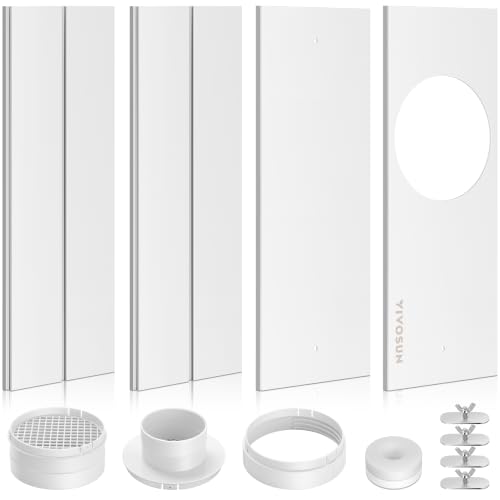
VIVOSUN Window Vent Kit for Portable AC 5.9″ Hose

Haoall Portable AC Hose Insulation Sleeve 5″/5.9″

Haoall 2-Pack AC Hose Insulation Sleeve 5″/5.9″
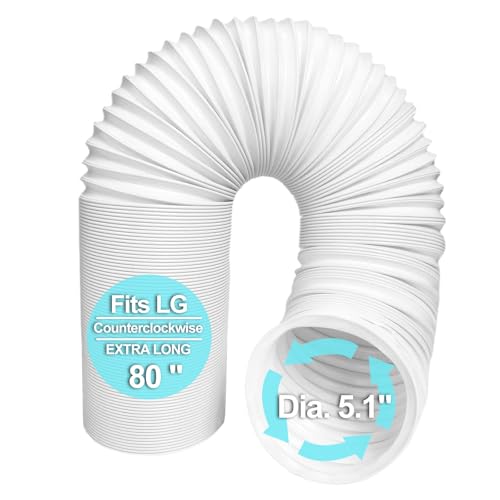
Qualward Portable AC Hose 5.1″ Diameter 80″ Reach
The Details Behind The Selections
The Rubber-Cal HVAC Insulated-Flex Duct Hose is built for routing conditioned air through tight joists, around corners, and across long basement or attic spans. At 4 inches in diameter and 25 feet long, it gives homeowners room to plan a real duct path instead of improvising with short connector pieces. The double-ply aluminum and PET (a strong, moisture-resistant polyester film) jacket wraps a glass-wool insulation core, which helps keep cold air cold as it travels.
For a DIYer finishing a basement bedroom or a workshop, the flexibility of this hose is the main draw. It bends around framing without kinking, and the insulation reduces the kind of surface condensation that drips onto ceiling tiles. Unlike the window vent kits later in this list, this product is designed for permanent or semi-permanent HVAC runs, not a portable unit sitting on the floor.
The Upside
- 25-foot length supports whole-room routing without splicing multiple hoses.
- Double-ply aluminum and PET jacket resists tearing during installation.
- Glass-wool insulation core helps reduce condensation in warm, humid runs.
- Flexible body bends around joists and corners where rigid metal ducting won’t fit.
Points To Keep In Mind
- Not a quick fix for portable AC owners, since it requires a hard-mounted air handler or vent.
- Glass-wool insulation can shed fine fibers if the outer jacket gets punctured, so handle carefully during pulls.
Key Specs
Best Suited To
Homeowners and DIYers running a permanent flexible duct through framing for a finished basement, garage workshop, or bonus room.
Reach For A Different Pick When
The GOZFLVT Portable AC Window Vent Kit is a better match for renters who need a quick, no-drill window seal for a portable air conditioner.
The GOZFLVT Portable AC Window Vent Kit is aimed squarely at renters trying to cool a bedroom without drilling brackets into the frame. It pairs a 5.9-inch diameter, 59-inch exhaust hose with adjustable sliding plates, which means the seal expands to fit a range of window widths. The 5.9-inch size is one of the most common portable AC hose diameters, so it covers a wide swath of models on the market.
Setup usually takes just a few minutes: open the window, slide the plates to width, drop the hose adapter into the gap, and close the sash onto the foam seal. The anti-clockwise thread direction (a left-hand thread) is critical to match with your AC unit, so it pays to peek at the existing hose before ordering. Compared with the rigid HVAC ducting of the Rubber-Cal pick, this kit is more about portability and easy removal than long-term sealing.
Everyday Wins
- Adjustable plates fit a range of window widths without custom cutting.
- Anti-clockwise threading matches the most common portable AC hose standard.
- Lightweight kit removes easily at the end of summer, useful for lease turnovers.
- Foam seal helps block the gap most portable setups leave around the window.
Trade Offs
- The 5.9-inch diameter does not fit every portable AC, so check your unit’s spec first.
- Lightweight plates can flex in wider windows, and you may find the seal needs extra weatherstripping tape for a tight fit.
Right Fit For
Renters in apartments with horizontal sliding windows who need a no-drill venting option for a 5.9-inch portable AC hose.
Where A Sibling Pick Shines
The JENCEAILL Portable AC Window Vent Kit offers similar fit flexibility but adapts more cleanly to vertical sliding windows as well.
Where the GOZFLVT kit is built mainly for horizontal sliders, the JENCEAILL Portable AC Window Vent Kit covers both vertical and horizontal openings, which solves a common pain point. The plates adjust from roughly 17 to 64 inches, so the same kit handles a narrow casement and a wide patio slider. The included hose is 5.9 inches in diameter and 59 inches long, matching the dominant portable AC size on the market.
For anyone whose home has a mix of window types, this kind of dual-orientation flexibility removes the need to buy two kits over time. The anti-clockwise thread direction still requires a quick check against your unit, but the rest of the install is a similar slide-and-close routine. It pairs naturally with an insulation sleeve from the Haoall picks if heat bleed through the hose is a concern.
What Earns Its Place
- Works with both vertical and horizontal sliders in one kit.
- Plate adjustment range covers narrow casements and wide living-room sliders.
- Standard 5.9-inch hose fits a wide range of popular portable AC units.
Worth Noting
- At the longest settings, the plates may need extra support to stay rigid in very wide windows.
- Like most vent kits, performance depends on sealing gaps with weatherstripping after install.
Key Specs
Who It Suits Best
Anyone in a home with a mix of vertical and horizontal sliding windows who wants a single kit that adjusts to both.
Not Your Match When
The VIVOSUN Window Vent Kit is a better pick for shoppers who also want to vent a 4-inch or 6-inch duct fan through the same window.
The VIVOSUN Window Vent Kit is the most versatile plate system on this list, because it accepts both 4-inch and 6-inch duct adapters alongside the common 5.9-inch portable AC hose. That means the same window opening can serve a portable AC, an inline duct fan, or a dryer-style vent without buying a second kit. The plate assembly is built from PVC (a rigid, weather-tolerant plastic), so it holds shape through repeated summer use.
Plate length adjusts from roughly 16.9 to 61 inches, which covers narrow bathroom windows and large living-room sliders. The PVC body resists UV aging (the brittleness that sets in after long sun exposure) better than many foam-and-cardboard alternatives, and it wipes clean rather than absorbing dust. It is the right pick for anyone who treats cooling and air circulation as a multi-tool problem, not a single-device one.
Practical Pluses
- Triple compatibility: 4-inch, 6-inch, and 5.9-inch duct or hose sizes.
- PVC body resists cracking and UV damage across multiple summers.
- Plate range covers nearly any common residential window width.
- Wipes clean with a damp cloth, unlike foam-based seals that collect dust.
Honest Caveats
- PVC plates are stiffer to handle than foam-light kits, and may need two hands during install.
- For 4-inch duct fans, you will need to source a separate adapter ring if your fan does not already include one.
Made For
Shoppers who want one window kit that handles a portable AC today and a duct fan or dryer vent later.
Skip It When
The Haoall single-sleeve insulation wrap is a better fit for anyone whose main concern is heat loss through the hose, not the window seal.
The Haoall Portable AC Hose Insulation Sleeve wraps a portable AC’s exhaust hose in a reflective layer that keeps hot air from radiating into the room. The hot exhaust hose is one of the biggest reasons a portable AC feels less effective than its BTU rating suggests, and a sleeve like this directly attacks that weakness. The cover fits both 5-inch and 5.9-inch hose diameters, with three adjustable straps to hold it in place.
For anyone whose portable AC sits in a sunny living room or a small bedroom, the sleeve helps the unit work less hard to maintain temperature. It also keeps the hose surface cooler to the touch, which matters in homes with curious kids or pets. The single-pack format is the right size for a one-room setup, and the install is a wrap-and-strap job that takes minutes.
Useful Touches
- Reflective layer reduces heat radiating off the exhaust hose into the room.
- Compatible with both 5-inch and 5.9-inch hoses, covering most portable AC models.
- Three adjustable straps hold the sleeve in place during long cooling cycles.
- Helps the AC reach its rated cooling performance in hot, sun-filled rooms.
Small Caveats
- Only one sleeve per pack, so multi-room setups need more than one purchase.
- Owners commonly report the sleeve can shift at the hose joints, so check the strap tension after the first hour of use.
Key Specs
Who Will Love This
Apartment dwellers with a single portable AC in a sunny room where the hose runs along a warm wall.
Another Choice May Suit
The Haoall 2-pack sleeve is a smarter pick for households running a portable AC in more than one room at a time.
The 2-pack version of the Haoall insulation sleeve delivers the same reflective wrap as the single pack, but doubles up to cover a second AC or a backup hose. Each sleeve still fits 5-inch and 5.9-inch diameters, and the bundle ships with six adjustable straps, two per sleeve plus spares. For a household running a portable AC in a bedroom and a home office, this bundle removes the guesswork of matching two separate orders.
The wrap installs the same way: slide the sleeve over the hose, pull the straps tight, and you’re done. It’s the practical pick for anyone who has already committed to portable cooling as a multi-room strategy, rather than a one-room patch. Compared with the single-pack sleeve, the per-unit cost is friendlier, and the spare sleeve can sit in a closet as a replacement.
Notable Upsides
- Two sleeves cover a bedroom and a second room at a lower per-unit cost.
- Six straps total give more flexibility on longer hose runs.
- Same reflective insulation reduces heat bleed on both units.
- Spare sleeve acts as a replacement if one gets torn or stained.
Less Ideal Details
- If you only run a single portable AC, the second sleeve is an unused spare.
Perfect Match For
Two-bedroom households or small offices running a portable AC in more than one room at a time.
Look Elsewhere When
The Qualward Portable AC Hose is the right call if your priority is replacing a stretched-out hose, not adding insulation.
The Qualward Portable AC Hose is a replacement hose for situations where the original stretched, cracked, or never quite reached the window. At 5.1 inches in diameter and a maximum extended length of 80 inches, it covers taller windows and AC units placed farther from the wall. The anti-clockwise thread direction matches the standard used by most portable AC brands.
This is the right pick when a vent kit works fine but the hose itself has failed. It does not include a window plate, so for full installs you would pair it with one of the kits from earlier in this list, such as the GOZFLVT or JENCEAILL. For shoppers whose main pain point is a hose that pulls loose or kinks at full extension, this replacement solves the problem without forcing a full kit upgrade.
The Practical Payoff
- Extended length reaches 80 inches for tall or far-set window placements.
- Anti-clockwise threading matches the most common portable AC standard.
- Replaces a worn or cracked hose without buying a full new vent kit.
Factors To Consider
- 5.1-inch diameter is narrower than the more common 5.9-inch standard, so measure your unit’s port first.
- Does not include a window seal, so you will still need a plate system for a complete install.
Key Specs
Who Should Grab It
Anyone whose original portable AC hose has cracked, kinked, or fallen short of the window, with a 5.1-inch port on the unit.
Consider Something Else When
The Rubber-Cal HVAC Insulated-Flex Duct Hose is the better long-run replacement if you are routing through walls or framing instead of a window.
Choosing the Right Ac Air Duct Setup for Your Space
A duct is only as good as the seal around it, so the first decision is whether you are venting through a wall, a window, or a permanent HVAC run. Window vent kits suit renters and portable AC owners, while insulated flexible ducting makes more sense for basement, garage, or workshop builds where the air handler sits away from the living space.
Hose diameter matters more than most people expect. Measure the port on your AC unit before ordering, and check the thread direction. Anti-clockwise (left-hand) threading is the most common standard, but not universal, and forcing a mismatched thread can crack the plastic collar on the unit.
Insulation is the upgrade that pays off in hot rooms. A reflective sleeve around the exhaust hose keeps radiated heat from warming the space the AC is trying to cool, and it lowers the runtime on the compressor during peak afternoon hours. For a window kit, look for foam seals that compress fully when the sash closes; a gap the width of a finger is enough to leak a surprising amount of warm air back in.
Finally, think about plate range and material. PVC plates outlast foam-board alternatives across multiple summers and wipe clean rather than absorbing dust. A wide adjustment range, ideally 17 to 60-plus inches, covers narrow casements and wide sliders with the same kit, which is more cost-effective than buying a second setup for a different room.
Key Considerations Across These Picks
Mistakes Worth Dodging
The most common error in this category is matching the wrong hose diameter, so a 5.9-inch kit will not thread onto a 5.1-inch port, no matter how firmly you twist. Always measure the outer diameter of the existing hose or the port on the AC unit before ordering. A second slip is ignoring thread direction. Anti-clockwise (left-hand) threading looks the same as standard threading until you try to tighten it, and a forced mismatch cracks the plastic collar.
A third trap is assuming the window plate alone seals the opening. Even the best kit leaks at the edges, so plan to add weatherstripping tape or foam strips along the sash for a tight seal. Skipping that step cancels out the cooling gains the AC is supposed to deliver.
Where The Extra Money Goes
Higher-tier picks in this category tend to spend the budget on insulation and plate material. A glass-wool insulated flexible duct, like the Rubber-Cal option, holds temperature along long runs far better than uninsulated hose, and the jacket resists punctures during installation. In window kits, PVC plates outlast foam-and-cardboard alternatives across multiple seasons and tolerate UV exposure without cracking.
For insulation sleeves, the upgrade from a single pack to a 2-pack, like the Haoall bundle, lowers the per-unit cost and covers a second room without a separate order. That is a quieter kind of value than flashy specs, but it adds up over years of summer use.
Frequently Asked Questions
What size Ac Air Ducts do I need for a portable air conditioner?
Most portable ACs use a 5-inch or 5.9-inch exhaust hose, but some models use a 5.1-inch port, so measure the outer diameter of your existing hose or the AC’s exhaust collar before ordering. The thread direction should also match, with anti-clockwise being the most common standard.
Can Ac Air Ducts be used for heating as well as cooling?
Yes, insulated flexible ducts like the Rubber-Cal HVAC Insulated-Flex can carry warm air from a furnace or heat pump in addition to cool air from an AC. Window vent kits are designed for portable cooling exhaust, so they are not the right fit for year-round heating ventilation.
How do I seal the gap around a window AC vent kit?
Close the window sash onto the foam seal that ships with the kit, then run weatherstripping tape along the top, bottom, and side edges of the plate assembly. Owners commonly find that the included foam compresses over time, so re-tape at the start of each cooling season for the best seal.
Do Ac Air Ducts need insulation?
For permanent or semi-permanent runs through unconditioned spaces, insulation reduces heat gain in summer and heat loss in winter. For portable AC exhaust hoses, a reflective sleeve like the Haoall wrap helps keep radiated heat out of the room and improves cooling performance, especially in sunny spaces.
How long do portable AC hoses typically last?
Most portable AC hoses last two to four summers before the plastic begins to crack or the spiral loses its shape. A replacement hose like the Qualward option is a common fix when the original stretches out or splits at the seams, and swapping in an insulated sleeve can extend the life of the new hose.